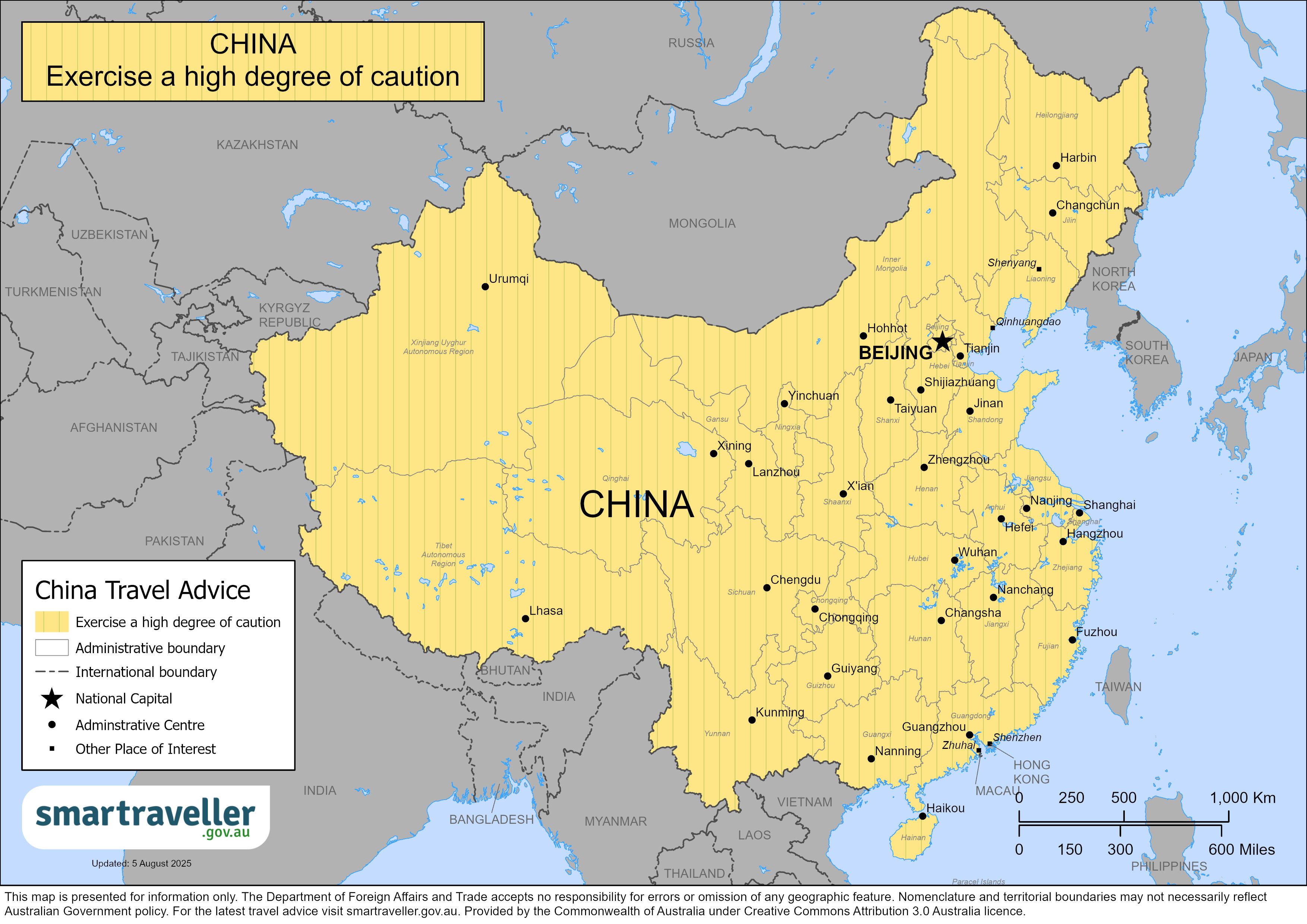
When you look at modern China, you see a contradiction. The country boasts millions of private entrepreneurs, towering skyscrapers owned by billionaires, and bustling stock exchanges. Yet, the governing body is called the Chinese Communist Party (CCP), and state control remains absolute. To answer whether China is still communist, you have to look past the label and examine how its political monopoly intersects with a market-driven economy.
Strictly speaking, China isn't communist in the traditional Marxist sense. There is no stateless, classless, moneyless society. Instead, China operates under a system officially termed "socialism with Chinese characteristics", which functions practically as a form of state capitalism. The state retains ownership of key economic pillars, but allows private enterprise to generate wealth under the watchful eye of a single-party government.
The Shift From Maoism to the Socialist Market Economy
Under Mao Zedong, China pursued orthodox Marxist-Leninist policies. The state collectivized agriculture, abolished private property, and directed nearly every aspect of economic life. This era resulted in catastrophic economic stagnation and widespread famine.
Everything changed in 1978 under the leadership of Deng Xiaoping. Recognizing that rigid central planning was failing, Deng introduced the "reform and opening-up" policy. His philosophy famously stated that "to get rich is glorious," signaling a radical departure from egalitarian poverty.
The government established Special Economic Zones, invited foreign investment, and permitted private business ownership. Over the next four decades, this hybrid approach lifted hundreds of millions of people out of poverty and built the world's second-largest economy.
How China Controls Its Economy Today
China's economy relies heavily on market mechanisms, but the state never relinquished ultimate control. Understanding modern China requires looking at the specific levers the CCP uses to maintain dominance.
- State-Owned Enterprises (SOEs): The government retains direct control over the "commanding heights" of the economy, including energy, telecommunications, banking, and transportation. These massive corporations receive preferential loans, subsidies, and regulatory protection.
- Party Cells in Private Companies: Even private tech giants and manufacturing firms are required by law to host internal CCP committees. These cells ensure corporate decisions align with national political objectives.
- Targeted Interventions: When private sectors grow too influential or independent, the state steps in. Regulatory crackdowns on major technology firms and real estate developers in recent years proved that corporate profits always take a backseat to party stability.
- Land Ownership: All land in China is owned either by the state or by rural collectives. Private citizens and businesses buy long-term land use rights rather than owning the underlying property outright.
According to the Council on Foreign Relations, this model allows the state to harness capitalist efficiency while steering capital toward strategic national priorities like artificial intelligence and green technology.
Political Autocracy Disguised as Flexibility
While the economy looks capitalist on the surface, the political sphere remains strictly autocratic. The CCP maintains a complete monopoly on political power. There are no genuine opposition parties, free national elections, or independent judiciaries.
Dissidents face swift censorship, and civil society organizations are heavily restricted. The state utilizes advanced digital surveillance, facial recognition, and internet firewalls to suppress dissent. Therefore, while citizens have the freedom to choose careers, buy luxury goods, and start businesses, they do not possess political freedoms.
Common Misconceptions About China's Economic System
Observers often misinterpret China's economic model due to Western definitions of capitalism and socialism.
Many assume that because China has billionaires, it must be fully capitalist. In reality, wealth accumulation is permitted only as long as it serves national growth and doesn't threaten party rule. Billionaires who cross political lines or grow too powerful often face sudden investigations, asset freezes, or forced retirements.
Another common mistake is viewing the CCP's rhetoric about communism as mere window dressing. While pragmatic leaders adapted market tools, party ideology remains central to elite training, political legitimacy, and long-term planning. The goal isn't immediate communism, but a prolonged socialist stage where the party directs market forces rather than being consumed by them.
Frequently Asked Questions
Does China allow private property?
Citizens can own homes, vehicles, and corporate shares, but they cannot own land. All urban land belongs to the state, and rural land belongs to collective organizations. Property buyers purchase land use rights for fixed periods, usually spanning 40 to 70 years.
Is China considered a superpower?
Yes. China holds the world's second-largest nominal GDP, leads global manufacturing output, and commands massive influence through international infrastructure initiatives like the Belt and Road. Its military modernization also places it among the top global military powers.
Why does the ruling party still call itself communist?
The CCP derives its historical legitimacy from the 1949 revolution. Abandoning the communist label would mean discarding its ideological foundation. The party argues that socialism is a flexible, evolving stage that must utilize market tools to eventually reach higher socioeconomic development.
How does China's system differ from Western capitalism?
Western economies rely on free markets with minimal state intervention, robust private property protections, and changes in political leadership determined by democratic elections. China's system features heavy state intervention, strategic control over core industries, party oversight in private firms, and a permanent one-party monopoly.



