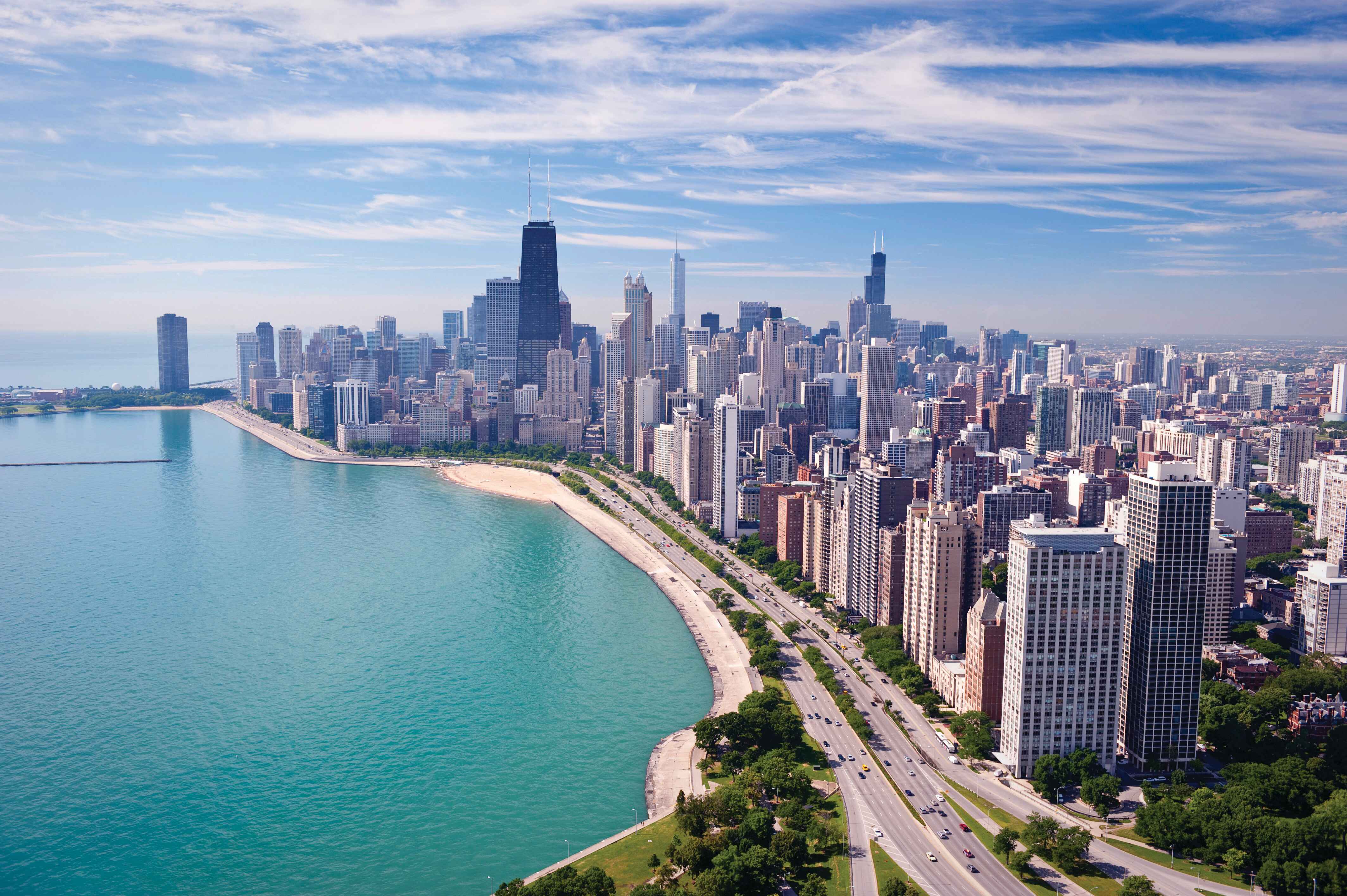
No, Chicago isn't a state. Chicago is a major American city located entirely within the state of Illinois. People sometimes get confused because Chicago carries massive economic, cultural, and political weight, making it feel like its own standalone entity.
Understanding how the United States organizes its geography helps clear up why metropolitan hubs often get mistaken for states. Let's break down the actual administrative layout, why the confusion happens, and how Illinois and Chicago function under American law.
The Short Answer: City vs. State
In the United States, a state is a sovereign political unit that shares power with the federal government. States have their own state constitutions, state legislatures, governors, and broad legal jurisdiction over things like criminal law, state taxes, and public education.
Chicago is a municipality, which is a local government entity. It has a mayor and a city council, but it doesn't possess sovereign state powers. Instead, Chicago derives its local governing authority from the state government based in Springfield.
Think of it like nested boxes. The United States contains 50 states. Illinois is one of those states. Within Illinois, there are 102 counties, and Chicago sits inside Cook County.
Why Do People Think Chicago is a State?
Geographic confusion around major cities isn't unique to Chicago. Several factors contribute to the misconception that the Windy City stands alone as a state.
Cultural and Economic Footprint
Chicago is the third-most populous city in the United States, trailing only New York City and Los Angeles. It boasts a massive GDP, global financial exchanges, a towering skyline, and iconic sports franchises. When a city dominates national news, sports leagues, and corporate headquarters, casual observers might mistakenly elevate its political status to match its cultural footprint.
Confusion With Washington, D.C.
Some people mix up Chicago's status with unique federal districts like Washington, D.C., which isn't a state either, but operates under federal jurisdiction rather than belonging to a standard state. Because Chicago feels distinct from the rest of Illinois culturally—often leading to friction between "Chicagoland" and rural downstate regions—outsiders sometimes assume it operates under a separate political umbrella.
The Washington State Parallel
People often confuse cities with states when the city shares a name with a state (like New York City and New York State). While Chicago doesn't share its name with Illinois, the sheer size of the city makes outsiders treat it as if it were a standalone jurisdiction, similar to how people casually refer to Washington D.C. or treat dense urban centers as mini-states in conversation.
How Illinois and Chicago Share Power
To understand why Chicago isn't a state, you have to look at how municipal law works in Illinois. Local governments are legally creations of the state.
- State Authority: The Illinois General Assembly passes laws that apply to all residents across the state, from Cairo to Rockford. The state manages major infrastructure, state police authority, and statewide funding.
- City Authority: The Chicago City Council passes local ordinances. These cover things like city zoning, local parking regulations, and municipal waste management.
- The Hierarchy: If a local city ordinance conflicts with an Illinois state law, state law wins. Cities only have the powers explicitly granted to them by the state constitution and state statutes.
You can learn more about how the state government functions by visiting the Illinois General Assembly portal.
Common Misconceptions About Chicagoland
When looking at maps or listening to local news, you'll run into terms that blur the lines between city and state identity.
- "Chicagoland": This is a cultural and economic term, not a political one. It refers to Chicago and its surrounding suburbs, spilling over into parts of Indiana and Wisconsin. It's a regional description, not a state boundary.
- Downstate vs. Chicago: Illinois politics frequently features a divide between Chicago and "downstate" rural counties. This political tension makes it feel like two different worlds, but they all answer to the same state capital.
- County Jurisdiction: Chicago sits primarily in Cook County, though a small portion extends into DuPage County. Counties are administrative subdivisions of the state, bridging the gap between state government and city governance.
Frequently Asked Questions
Is Chicago the capital of Illinois?
No. The capital of Illinois is Springfield, located in the central part of the state. Chicago is merely the largest city and economic engine.
Does Chicago have its own senators in Congress?
No. Chicagoans are represented by the same two U.S. Senators who represent the entire state of Illinois, just like residents living in any other Illinois town.
Can Chicago become its own state?
While residents or politicians occasionally throw around rhetorical ideas about splitting Illinois into two separate states due to urban-rural political divides, the process requires approval from both the Illinois General Assembly and the U.S. Congress, making it practically impossible under current constitutional rules.
Is Chicago the largest city in Illinois?
Yes. Chicago is by far the most populous city in the state, housing nearly a quarter of the entire state's population.



