Is calcium a metal? Yes, calcium is a reactive, silvery-gray alkaline earth metal found in group 2 of the periodic table. While most people associate calcium with milk, bones, and teeth, its elemental form is a solid metal that reacts vigorously with water and tarnishes quickly in air.
Understanding calcium requires looking beyond biological health and examining its chemistry, metallurgy, and industrial applications. This guide breaks down what makes calcium a true metal, how it behaves chemically, and why it matters in modern manufacturing and construction.
The Chemical Identity of Calcium
Calcium sits squarely in group 2 of the periodic table, right between magnesium and strontium. With an atomic number of 20, a neutral calcium atom contains twenty protons, twenty electrons, and typically twenty neutrons. Those twenty electrons are arranged in four shells, with the outermost shell holding two valence electrons.
Because it's energetically favorable for calcium to lose those two outer electrons to achieve a stable, noble-gas electron configuration, it readily forms a $Ca^{2+}$ cation. This electron configuration drives its chemical reactivity. It forms ionic bonds with nonmetals, producing salts like calcium chloride or calcium oxide.
On the periodic table, calcium shares group 2 with beryllium, magnesium, strontium, barium, and radium. These elements are known as the alkaline earth metals. They share similarities in appearance, reactivity, and high melting points compared to alkali metals, though calcium is softer than transition metals like iron but harder than sodium.
Physical and Chemical Properties
In its pure elemental form, calcium doesn't look like the chalky white powder or the shiny white bone fragments you might picture. Freshly cut calcium is a soft, silvery metal, though it dulls almost instantly when exposed to oxygen, forming a gray oxide and nitride coating.
Key Physical Characteristics
- Density: Calcium has a density of roughly $1.55 \text{ g/cm}^3$, making it a lightweight metal compared to structural metals like iron ($7.87 \text{ g/cm}^3$) or copper ($8.96 \text{ g/cm}^3$).
- Melting and Boiling Points: It melts at 842 degrees Celsius and boils at 1484 degrees Celsius, allowing it to withstand high-temperature industrial processes.
- Hardness: It's soft enough to be cut with a sharp steel knife, similar to lead, though it lacks the malleability of gold or copper.
Chemical Reactivity
Calcium's chemistry is defined by its strong electropositive nature. When placed in water, it sinks and reacts steadily to produce calcium hydroxide and hydrogen gas. The reaction isn't as explosive as sodium or potassium dropping into water, but it generates enough heat to release flammable hydrogen bubbles.
When heated in air, calcium burns with a brilliant brick-red or orange-red flame, producing calcium oxide (quicklime) and calcium nitride. Because of this high affinity for oxygen, nitrogen, and sulfur, metallurgists use elemental calcium as a scavenger to remove impurities from molten metals during production.
How Pure Calcium Differs From Biological Calcium
A common point of confusion is the difference between metallic calcium and the calcium found in your body or diet. Pure calcium metal does not exist freely in nature because it's too reactive. Instead, it occurs locked inside chemical compounds like calcium carbonate (limestone, marble, and chalk), calcium sulfate (gypsum), and calcium phosphate.
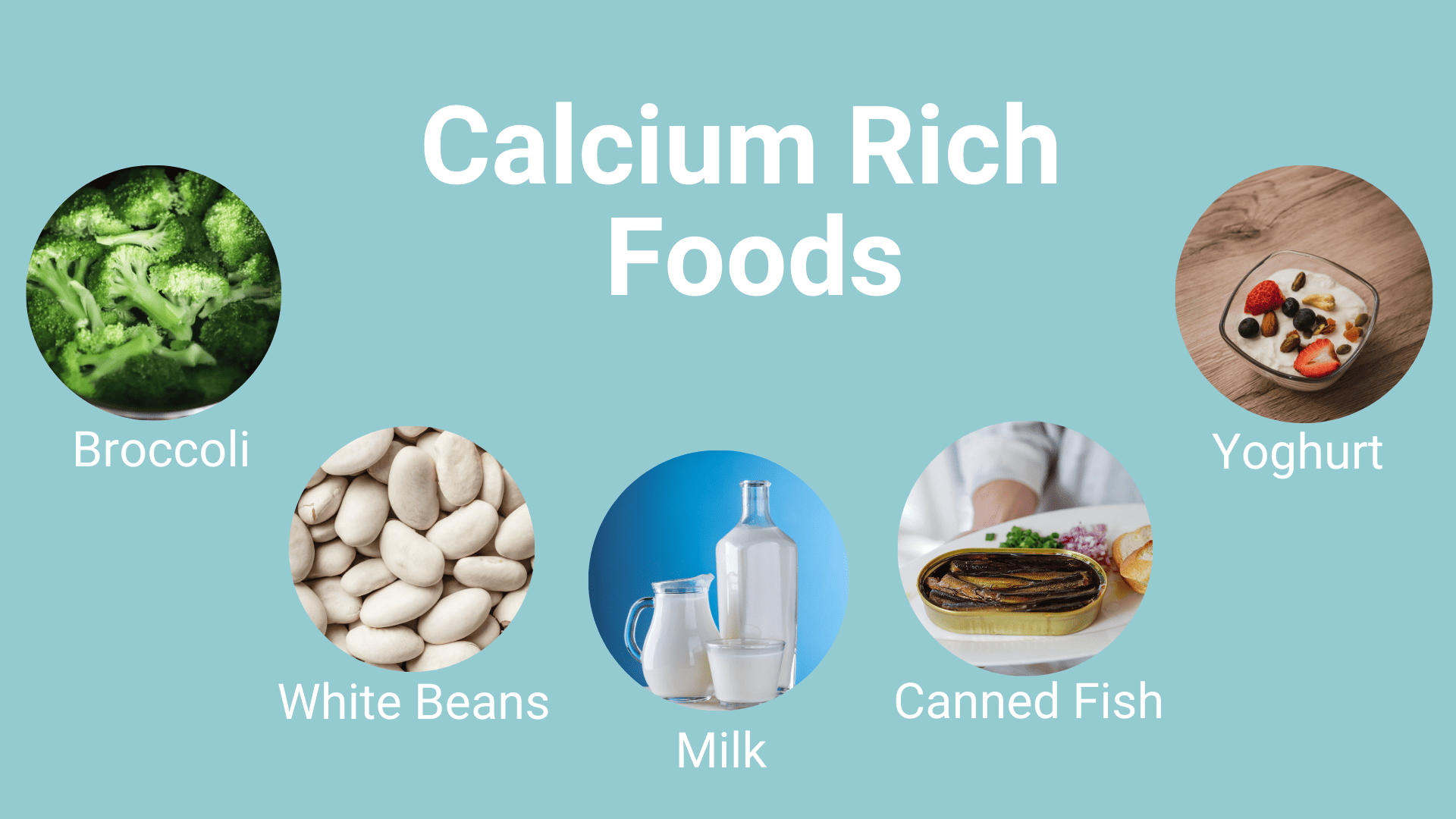
When you consume dairy products, leafy greens, or supplements, you aren't eating chunks of silvery metal. You're ingesting calcium ions bound in mineral compounds. Inside the human body, these ions play critical roles in muscle contraction, nerve signal transmission, blood clotting, and bone mineralization. The National Institutes of Health provides detailed guidance on dietary intake in their NIH Calcium Fact Sheet.
Metallic calcium, by contrast, is produced industrially by reducing calcium oxide with aluminum at high temperatures under a vacuum, or through the electrolysis of molten calcium chloride.
Industrial and Metallurgical Uses of Calcium Metal
While biology relies on calcium ions, industry relies on metallic calcium for specific metallurgical processes. You won't find calcium beams supporting bridges, but you will find the metal playing a hidden role in manufacturing other materials.
Steelmaking and Metallurgy
The primary consumer of metallic calcium is the steel industry. Steel contains trace impurities like oxygen, sulfur, and dissolved gases that weaken its structural integrity. Adding calcium to molten steel helps clean the metal through a process called inclusion modification. Calcium binds with sulfur and oxygen to form stable inclusions that float to the slag layer, resulting in cleaner, tougher steel used in automotive manufacturing and construction.
Alloy Production
Manufacturers add calcium to various non-ferrous metal alloys to alter their mechanical properties. For example, calcium-lead alloys are common in the production of maintenance-free automotive batteries. The calcium hardens the lead grids, reducing self-discharge and fluid loss over the battery's lifespan.
Reducing Agent
Because calcium has a strong affinity for oxygen and halogens, chemical plants use it as a reducing agent to extract other reactive or rare earth metals from their ores, including uranium, thorium, and zirconium.
Common Misconceptions About Calcium
People often misunderstand calcium's classification because of how it appears in everyday life. Let's clear up a few persistent myths.
- Myth: Calcium is a dietary nutrient, so it must be organic or biological in origin.
- Fact: Calcium is a fundamental chemical element created in stellar nucleosynthesis long before life existed on Earth.
- Myth: Calcium metal can be handled safely with bare hands like aluminum foil.
- Fact: Pure calcium reacts with moisture on human skin, releasing heat and alkaline hydroxides that can cause chemical burns.
- Myth: Calcium is an alkali metal because it reacts with water.
- Fact: It's an alkaline earth metal. Alkali metals live in group 1 and react violently with water, while group 2 alkaline earth metals are far less aggressive.
To explore the broader classification of elements, you can reference the Royal Society of Chemistry Periodic Table, which outlines the atomic properties of every element.
Frequently Asked Questions
Is calcium a metal, nonmetal, or metalloid?
Calcium is a metal. Specifically, it belongs to the alkaline earth metal family located in group 2 of the periodic table.
Why doesn't calcium explode in water like sodium?
Sodium is an alkali metal with only one valence electron, which it loses with extreme thermodynamic force. Calcium has two valence electrons, making its chemical bond energy higher and its reaction with water much steadier and less exothermic.
Can you find pure calcium metal in nature?
No. Because calcium is chemically reactive, it binds readily with oxygen, carbon, and other elements. It only exists in nature as part of mineral compounds like limestone and gypsum.
What is the main use of metallic calcium today?
Its primary industrial use is as a deoxidizer and desulfurizer in the production of high-grade steels and specialized metal alloys.


