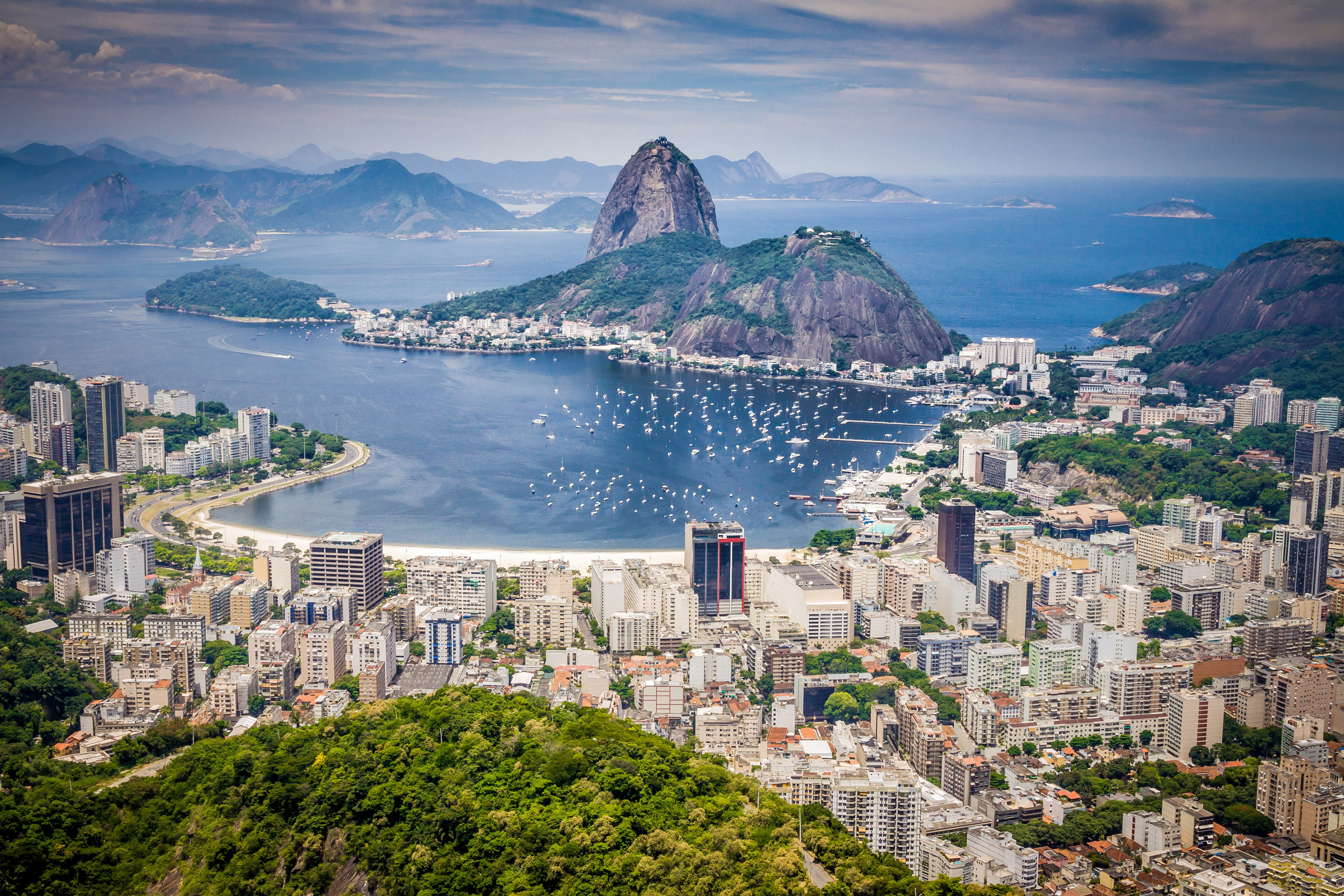
Is Brazil a third world country? The short answer is no. The term "Third World" is an outdated Cold War-era political classification that doesn't accurately describe modern global economics. Today, Brazil is classified by the International Monetary Fund and the World Bank as an upper-middle-income emerging market economy. It boasts the largest GDP in Latin America and ranks among the top twelve economies worldwide.
Yet, labelling Brazil simply as an "emerging market" masks deep socioeconomic contradictions. While major metropolitan centers like São Paulo feature advanced industrial sectors, robust tech hubs, and high-income pockets, other regions face severe infrastructure deficits, systemic income inequality, and pressing poverty. Understanding Brazil's actual development status requires looking past rigid historical labels to examine its industrial diversity, persistent wealth gaps, and true global standing.
The Origin of the "Third World" Label and Why It's Obsolete
To understand why Brazil doesn't fit the third-world label, we have to look at how the term originated. During the Cold War, political scientists divided nations into three camps:
- First World: Capitalist, industrialized nations aligned with the United States and NATO.
- Second World: Socialist, state-controlled economies aligned with the Soviet Union.
- Third World: Non-aligned nations—primarily across Africa, Asia, and Latin America—that didn't formally side with either superpower bloc.
Over time, popular culture hijacked the term, twisting it to mean impoverished, war-torn, or technologically backward nations. Because Cold War geopolitics ended in 1991, the framework is defunct. Modern economists instead use metrics like Gross National Income per capita, the Human Development Index (HDI), and industrial output. According to the United Nations Development Programme, Brazil sits in the high human development category, scoring well above the global average for developing regions, though it still trails advanced OECD economies.
Brazil's Economic Engine: Industry, Agriculture, and Global Trade
Brazil long ago shook off its historical dependence on a single export crop. While coffee and rubber dominated its early economy, today's landscape is remarkably diversified.
Agribusiness forms a massive pillar of national output. Brazil is a leading global supplier of soybeans, beef, poultry, coffee, and orange juice, powered by high-efficiency farming techniques in the Cerrado and Midwest regions. However, primary agriculture accounts for only a fraction of total economic activity.
Manufacturing and high-tech sectors provide the real muscle behind Brazil's GDP:
- Aerospace: Through companies like Embraer, Brazil is the world's third-largest civil aircraft manufacturer, producing regional jets used by airlines worldwide.
- Automotive: Major global automakers operate massive production plants across the country, serving both domestic demand and regional export markets.
- Energy: Brazil is a pioneer in renewable energy. Over 45 percent of its total energy matrix comes from renewable sources, heavily anchored by massive hydroelectric dams, sugarcane-based ethanol, and expanding wind and solar infrastructure.
As a founding member of the BRICS economic bloc alongside Russia, India, China, and South Africa, Brazil shapes international trade policy, currency reserves management, and South-South economic cooperation.
Social Progress and the Persistence of Inequality
You can't evaluate Brazil's development without confronting its dual reality: substantial social welfare achievements paired with stark economic stratification.
On one hand, targeted public policies have transformed millions of lives over the last two decades. Programs like Bolsa Família—a conditional cash transfer initiative launched in 2003—helped lift millions out of extreme poverty by tying financial aid to children's school attendance and routine health vaccinations. Literacy rates have climbed past 93 percent nationwide, and life expectancy has risen to roughly 75 years.
On the other hand, wealth distribution remains heavily skewed. Brazil's Gini coefficient—a standard measure of income inequality—remains stubbornly high. A small percentage of the population controls a disproportionate share of national wealth. This divide manifests geographically:
- Urban vs. Rural: Wealth concentrates heavily in southern and southeastern economic powerhouses like São Paulo, Rio de Janeiro, and Curitiba.
- Regional Disparities: The North and Northeast regions lag significantly behind in average household income, digital connectivity, and access to specialized healthcare.
- Demographic Gaps: Afro-Brazilians and Indigenous communities experience higher poverty rates and face structural barriers in the labor market and educational systems.
Environmental Stewardship and Modern Governance Challenges
Modern development isn't just about GDP and literacy rates; it also hinges on ecological sustainability and institutional stability. Brazil stands at the center of global climate discussions due to its stewardship of the Amazon rainforest.
Balancing agricultural export revenue with environmental protection is one of the country's hardest governance tests. Deforestation rates in the Amazon fluctuate based on shifting enforcement policies, illegal mining operations, and global commodity prices. Protecting the world's largest carbon sink while feeding international markets requires stringent regulatory enforcement and green financing models that reward sustainable land use.
Politically, Brazil operates as a robust federal presidential republic with a vibrant democracy, independent judiciary, and free press. Yet, recurring fiscal deficits, public sector bureaucracy, and historical corruption scandals periodically shake investor confidence and slow down long-term legislative reforms.
Frequently Asked Questions
Is Brazil considered a developed country?
No. International financial institutions classify Brazil as an emerging market or a developing upper-middle-income economy. While parts of its economy rival developed nations, its average per capita income and overall human development indicators keep it in the developing tier.
What is Brazil's current HDI ranking?
Brazil holds a "High Human Development" ranking according to the United Nations Development Programme, though its exact position fluctuates annually based on education, health, and income metrics relative to other nations.
Why do people still use the term "Third World"?
The term persists out of habit from Cold War conditioning. While it once denoted political non-alignment, it is now casually used to describe nations experiencing poverty, weak infrastructure, or lower industrial output, despite being technically obsolete.
What are Brazil's main economic exports?
Brazil's primary exports include soybeans, iron ore, crude petroleum, raw sugar, beef, poultry, and manufactured goods such as commercial aircraft and automotive parts.



