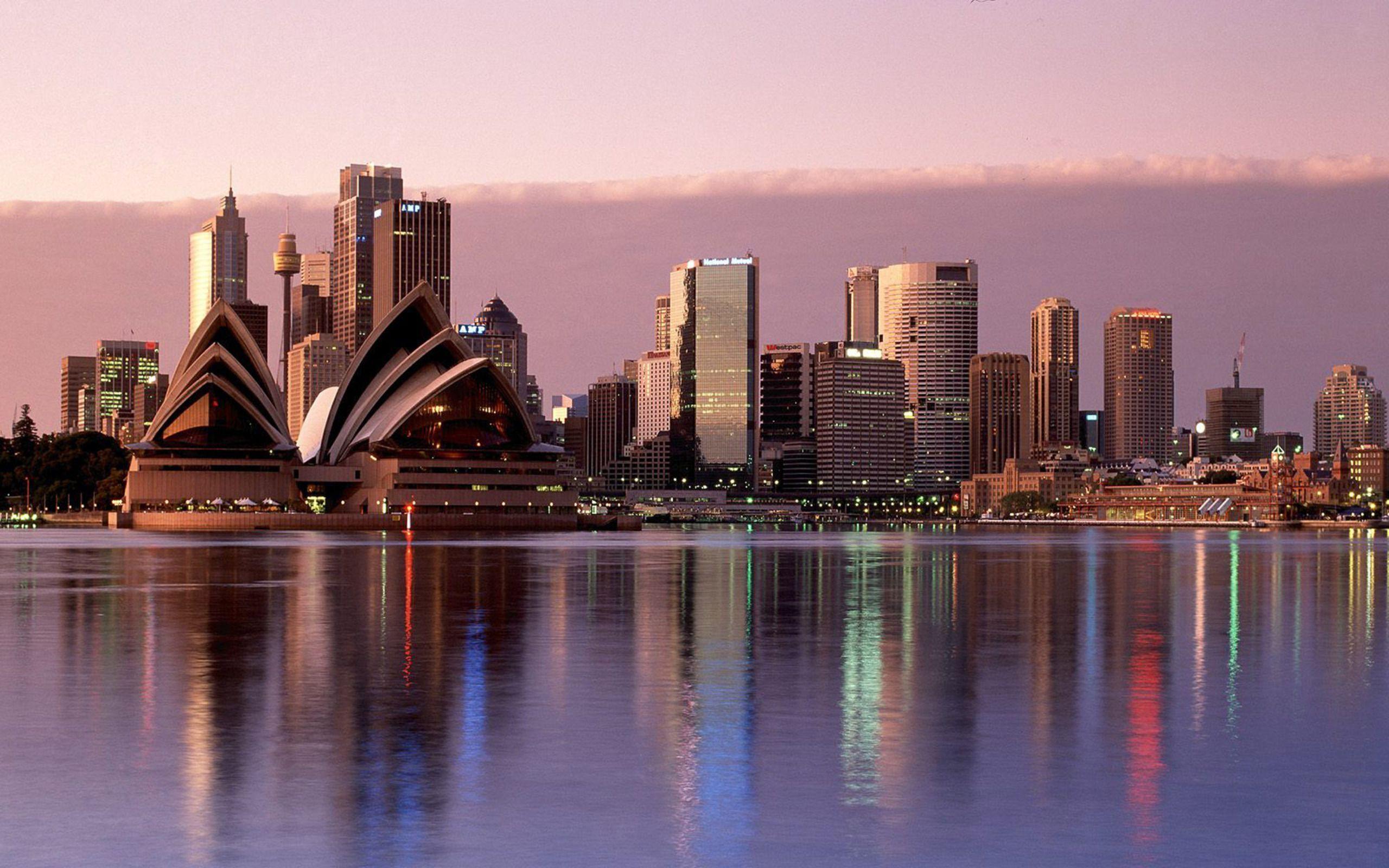
No, Australia is not part of Europe. It's located in the Southern Hemisphere, sitting entirely within its own continental landmass and the broader geographic region known as Oceania. Despite these clear physical borders, people often confuse its geopolitical standing due to shared cultural ties, legal history, and unusual memberships in European-centric organizations like the Eurovision Song Contest.
Understanding why this confusion persists requires looking past simple map reading. While Australia sits thousands of miles away from the nearest European border, its modern institutions, language, and legal systems stem heavily from British colonization starting in the late 18th century. Let's break down the physical reality, the historical ties, and the strange cultural anomalies that keep this question alive.
Geographic Reality: Where Australia Actually Sits
Geographically, Australia has nothing to do with Europe. It's bounded by the Indian Ocean to the west, the Pacific Ocean to the east, and sits well south of maritime Southeast Asia.
- The Continental Shelf: Australia rides on its own tectonic plate, separate from the Eurasian plate.
- Distance: The shortest distance between mainland Australia and Europe spans roughly 8,000 miles, crossing multiple other continents and massive bodies of water.
- The Oceania Region: Geographers usually group Australia into Oceania or Australasia, a region encompassing thousands of islands across the South Pacific, including Papua New Zealand and Fiji.
Because it's isolated by deep oceanic trenches, Australia developed an entirely distinct ecosystem with flora and fauna found nowhere else on Earth. It's both the world's smallest continent and one of its largest sovereign countries, sharing land borders with no one.
The British Empire and Cultural Ties
If geography separates the two completely, why do people link Australia to Europe? The answer lies in colonization.
In 1788, the British Empire established a penal colony at Port Jackson (modern-day Sydney). British settlers displaced Indigenous populations who had managed the land for over 65,000 years. Westminster established legal frameworks, parliamentary governance, and a common law system mirrored after Great Britain.
For generations, Australians identified closely with the British Crown. Passports marked holders as British subjects well into the 20th century. Even as Australia gained formal legislative independence through the Statute of Westminster, cultural pipelines remained fixed on Europe.
Waves of post-World War II migration brought millions of people from Italy, Greece, Germany, and the UK to Australian shores. This infusion reshaped major cities, embedding European cuisine, architecture, and social habits into everyday Australian life without altering its physical location on the globe.
Why Australia Isn't Part of the European Union
Some casual observers wonder if Australia belongs to the European Union (EU) given its Western lifestyle and developed economy. It doesn't.
- Geographic Eligibility: Article 49 of the Treaty on European Union states that any European state may apply to join the bloc. Australia fails this baseline geographic requirement entirely.
- Economic Alignment: Australia's modern trade focus leans heavily toward the Asia-Pacific region. China, Japan, South Korea, and ASEAN nations account for the bulk of its import and export volume.
- Sovereignty: As an independent Commonwealth realm, Australia manages its own foreign policy, currency (the Australian dollar), and defense pacts, such as AUKUS, without input from Brussels.
The Eurovision Exception: Why Australia Competes in Europe
The most common source of confusion for pop-culture fans is Australia's participation in the Eurovision Song Contest. Viewers often ask how an antipodean country can enter a strictly European contest.
SBS, an Australian public broadcaster, has aired Eurovision for decades to a massive, dedicated fanbase. In 2015, organizers invited Australia to participate as a one-off special guest for the contest's 60th anniversary. The performance proved so popular that the European Broadcasting Union extended permanent invitation rights. While it's a brilliant marketing crossover, it's a television broadcast event—not a geopolitical integration.
Frequently Asked Questions
Is Australia part of Asia?
Geographically, no. Australia sits on its own continental shelf south of Indonesia. However, due to proximity and trade, economists and political scientists often group Australia into the Asia-Pacific region for diplomatic and financial frameworks.
Do Australians need a visa to visit Europe?
Yes. Australian citizens holding an ordinary Australian passport can travel to the European Union's Schengen Area for short-term tourism without a pre-arranged visa, though upcoming travel authorization rules like ETIAS apply.
Is Australia considered a Western country?
Yes. Cultural, political, and sociological definitions classify Australia as a Western nation because of its democratic governance, legal traditions, language, and historical roots tied to Western Europe.
Was Australia ever physically attached to Europe?
Hundreds of millions of years ago, parts of Earth's crust formed the supercontinent Pangea, where distant ancestral landmasses sat closer together. However, modern Australia drifted away long before human history, evolving in total geographic isolation.



