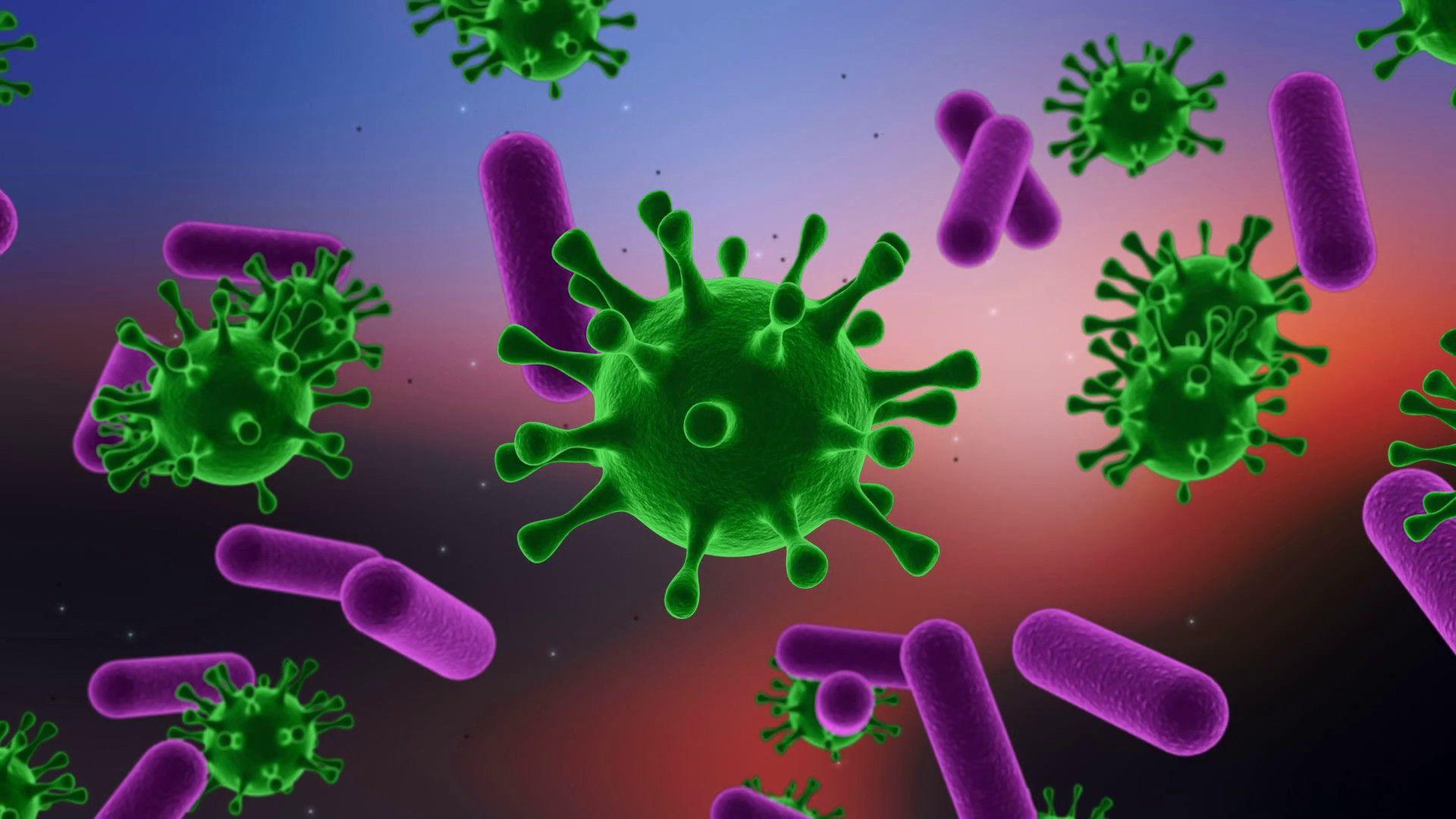
Bacteria are strictly prokaryotic organisms. They lack a true membrane-bound nucleus and other internal membrane-bound structures, setting them apart from the eukaryotic cells that make up plants, animals, and fungi. Instead of housing DNA in a protected nuclear compartment, a bacterium keeps its genetic material floating freely in a specialized region of the cytoplasm known as the nucleoid.
Understanding why bacteria fall into the prokaryotic category requires looking closely at how cellular architecture governs function. While eukaryotes rely on specialized compartments like mitochondria and the endoplasmic reticulum to divide labor, bacteria keep things compact and efficient. This structural simplicity allows them to reproduce rapidly and adapt to harsh environments faster than complex organisms.
Defining Prokaryotic vs. Eukaryotic Cells
The primary dividing line between life forms hinges on internal organization. Eukaryotic cells—found in humans, trees, and yeasts—feature a membrane-bound nucleus that protects their linear chromosomes. They also contain an array of organelles like the Golgi apparatus, lysosomes, and mitochondria, each handling specific metabolic chores.
Prokaryotic cells, including all bacteria, operate without these specialized enclosures. Their architecture relies on a few core components:
- Nucleoid Region: A single, circular double-stranded DNA molecule floats unhindered in the cell fluid.
- Cytoplasm: The internal gel where cellular processes unfold, including transcription and translation occurring simultaneously.
- Ribosomes: Smaller protein-manufacturing units (70S) that differ structurally from the larger ribosomes found in eukaryotes.
- Plasma Membrane: A lipid bilayer that regulates what enters and exits the cell.
- Cell Wall: A rigid outer layer, rich in peptidoglycan for most bacteria, that maintains cell shape and withstands osmotic pressure.
Why Bacteria Belong to Prokaryotes
When scientists classify microorganisms, they look at evolutionary lineage and molecular machinery. Bacteria diverged billions of years ago from the evolutionary path that led to complex life. Their lack of a nuclear membrane isn't just an absence of a feature; it's a completely different operational strategy.
Because bacterial DNA isn't sealed inside a nucleus, protein synthesis happens instantly. As RNA polymerase transcribes DNA into messenger RNA, ribosomes latch onto the emerging strand to build proteins right away. You won't find this streamlined, simultaneous process in eukaryotes, where transcription happens inside the nucleus and translation occurs later out in the cytoplasm.
For an in-depth breakdown of cellular domains, check out the National Human Genome Research Institute.
Structural Differences at a Glance
Comparing bacterial cells to human or plant cells highlights major mechanical contrasts:
- Size: Bacteria typically measure between 0.5 to 5 micrometers, making them significantly smaller than typical eukaryotic cells, which often range from 10 to 100 micrometers.
- DNA Structure: Bacteria store genetic data in a single circular chromosome, often supplemented by small rings of DNA called plasmids. Eukaryotes feature multiple linear chromosomes wrapped around histone proteins.
- Organelles: Bacteria contain zero membrane-bound organelles. Eukaryotes depend heavily on them for compartmentalized chemical reactions.
- Cell Division: Bacteria reproduce asexually through binary fission, a fast splitting process, whereas eukaryotes undergo mitosis or meiosis.
You can learn more about microbial genetics through resources provided by the Centers for Disease Control and Prevention.
Common Misconceptions About Bacterial Cells
Many students assume that because bacteria lack a nucleus, they must be completely unorganized or defenseless. That's far from true. Bacteria possess sophisticated internal scaffolding—a cytoskeleton made of protein filaments—that helps maintain their rod, sphere, or spiral shapes.
Another frequent mix-up involves confusing bacteria with viruses. Viruses are even simpler than bacteria, but they aren't classified as prokaryotic or eukaryotic because they aren't technically living cells at all; they require a host cell to replicate. Bacteria, by contrast, are fully functioning, self-replicating living organisms.
Frequently Asked Questions
Do all bacteria have cell walls?
Most bacteria feature a sturdy cell wall composed of peptidoglycan, which protects them from bursting in watery environments. However, exceptions exist. For example, Mycoplasma species lack cell walls entirely and live inside host tissues where osmotic pressure is stable.
Can prokaryotes be multicellular?
No. By definition, prokaryotes are strictly single-celled organisms. While some bacteria form colonies, biofilms, or filaments where cells stick together and communicate via quorum sensing, each individual cell remains an independent, autonomous living unit.
Are archaea also prokaryotic?
Yes. Alongside true bacteria, archaea make up the second major group of prokaryotes. Although they share the lack of a nucleus, archaea possess distinct cell membrane chemistry and genetic machinery that make them more closely related to eukaryotes than to bacteria.
How do bacteria reproduce without a nucleus?
Since they don't have a complex mitotic apparatus, bacteria rely on binary fission. The single circular chromosome replicates, and the cell grows outward until it pinches down the middle, yielding two genetically identical daughter cells in a matter of minutes under ideal conditions.