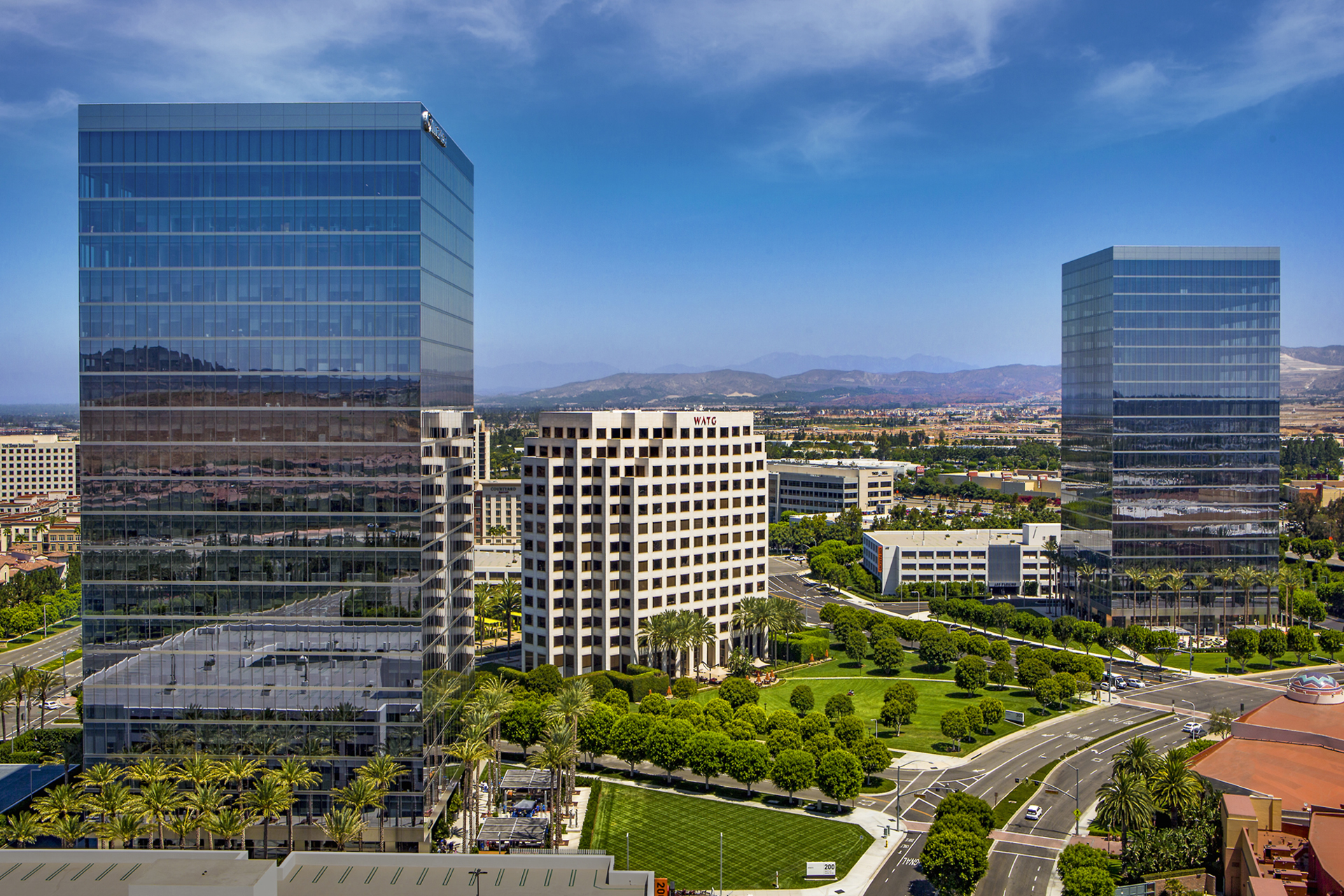
Irvine, California features a Mediterranean-influenced semi-arid climate characterized by warm, dry summers and mild, moderately wet winters. Situated in the heart of Orange County just inland from the Pacific Ocean and west of the Santa Ana Mountains, the city enjoys around 300 days of sunshine annually. Average daytime temperatures range from the upper 60s in the winter to the low 80s in the summer, making outdoor activities viable year-round.
Understanding Irvine's microclimates requires looking beyond simple averages. Proximity to the coast cools summer afternoons via marine layers, while interior valleys and foothills can experience sharper temperature swings.
Seasonal Breakdown of Irvine Weather
The weather in Irvine shifts through distinct seasonal phases that dictate local routines, energy use, and travel planning.
Summer Warmth and Coastal Marine Layers
Summer spans from July through early October, bringing dry air and minimal rainfall. August and September are typically the warmest months, with average high temperatures hovering around 81°F to 85°F and overnight lows near 64°F.
However, residents frequently encounter the "June Gloom" phenomenon. Overcast skies and low clouds roll in from the Pacific overnight, often lingering until noon before the sun burns them off. While coastal towns stay cooler all day, Irvine sits far enough inland to clear out these clouds by early afternoon most days, resulting in bright, warm afternoons.
Winter Mildness and Seasonal Rains
Winters run from late November through March. Daytime highs average a comfortable 67°F to 68°F, while overnight lows drop to the mid-40s. Freezing temperatures are exceptionally rare in urban neighborhoods.
Most of Irvine's annual precipitation—which averages around 11 to 13 inches total—falls during these winter months. February is historically the wettest month, occasionally bringing heavy downpours and localized urban runoff. Rainstorms are usually punctuated by clear, crisp days with unobstructed views of the Santa Ana Mountains.
The Role of Topography and Microclimates
Geography heavily shapes Irvine's local weather variations. The city sits on a coastal plain, bordered by the Santa Ana Mountains and foothills to the east and north.
- Elevation Effects: Neighborhoods closer to the foothills or up in open space preserves like Quail Hill experience slightly cooler ambient temperatures.
- The Marine Influence: Western areas of Irvine receive a stronger breeze from Newport Beach and Costa Mesa, moderating extreme heat waves during peak summer months.
- The Santa Ana Winds: During fall and winter, high-pressure systems over the Great Basin send dry, compressed air rushing down toward the coast. These Santa Ana winds can rapidly spike temperatures, drop humidity levels into the single digits, and elevate local fire risks.
Monthly Temperature and Rainfall Reference
| Month | Average High (°F) | Average Low (°F) | Average Rainfall (Inches) |
|---|---|---|---|
| January | 68 | 47 | 2.4 |
| February | 68 | 47 | 2.9 |
| March | 71 | 50 | 1.8 |
| April | 73 | 52 | 0.7 |
| May | 75 | 56 | 0.2 |
| June | 78 | 60 | 0.1 |
| July | 83 | 63 | 0.0 |
| August | 85 | 64 | 0.0 |
| September | 84 | 62 | 0.1 |
| October | 81 | 57 | 0.4 |
| November | 74 | 51 | 0.9 |
| December | 68 | 46 | 1.9 |
For official, real-time meteorological tracking and active weather alerts, consult the National Weather Service Los Angeles/Oxnard.
Common Misconceptions About Irvine Weather
Many visitors assume Southern California weather is uniform year-round, leading to a few frequent missteps.
- Underestimating Evening Chill: Because daytime sun is intense, visitors often forget that temperatures drop quickly by 15 to 20 degrees once the sun sets, especially outside of mid-summer. Carrying a light jacket or sweater after dark is standard practice for locals.
- Assuming Constant Beach Weather: While Irvine is close to the coast, it is not directly on the water. Foggy marine layers can keep Irvine gray while inland valleys heat up, or leave Irvine warm while beaches remain socked in.
- Expecting Snow in the Mountains: While snow occasionally dusts the highest peaks of the local San Bernardino or San Gabriel ranges visible on clear winter days, the Santa Ana Mountains directly bordering Irvine rarely see snow accumulation.
Frequently Asked Questions
When is the hottest time of year in Irvine?
Late July through September brings the warmest sustained weather, with August recording average highs around 85°F. Heatwaves can occasionally push temperatures past 90°F, intensified by inland positioning.
Does Irvine experience high humidity?
Aside from dewy mornings caused by the marine layer, Irvine maintains a relatively dry, comfortable climate. Muggy days are rare, even in the middle of summer.
How much rain does Irvine get annually?
The city averages roughly 11 to 13 inches of rain per year, heavily concentrated between November and March. Summer months are practically rain-free.
What are Santa Ana winds and how do they affect Irvine?
Santa Ana winds are strong, dry offshore wind events that originate inland. They compress as they flow down toward the coast, lowering humidity and raising temperatures rapidly during autumn and winter.



