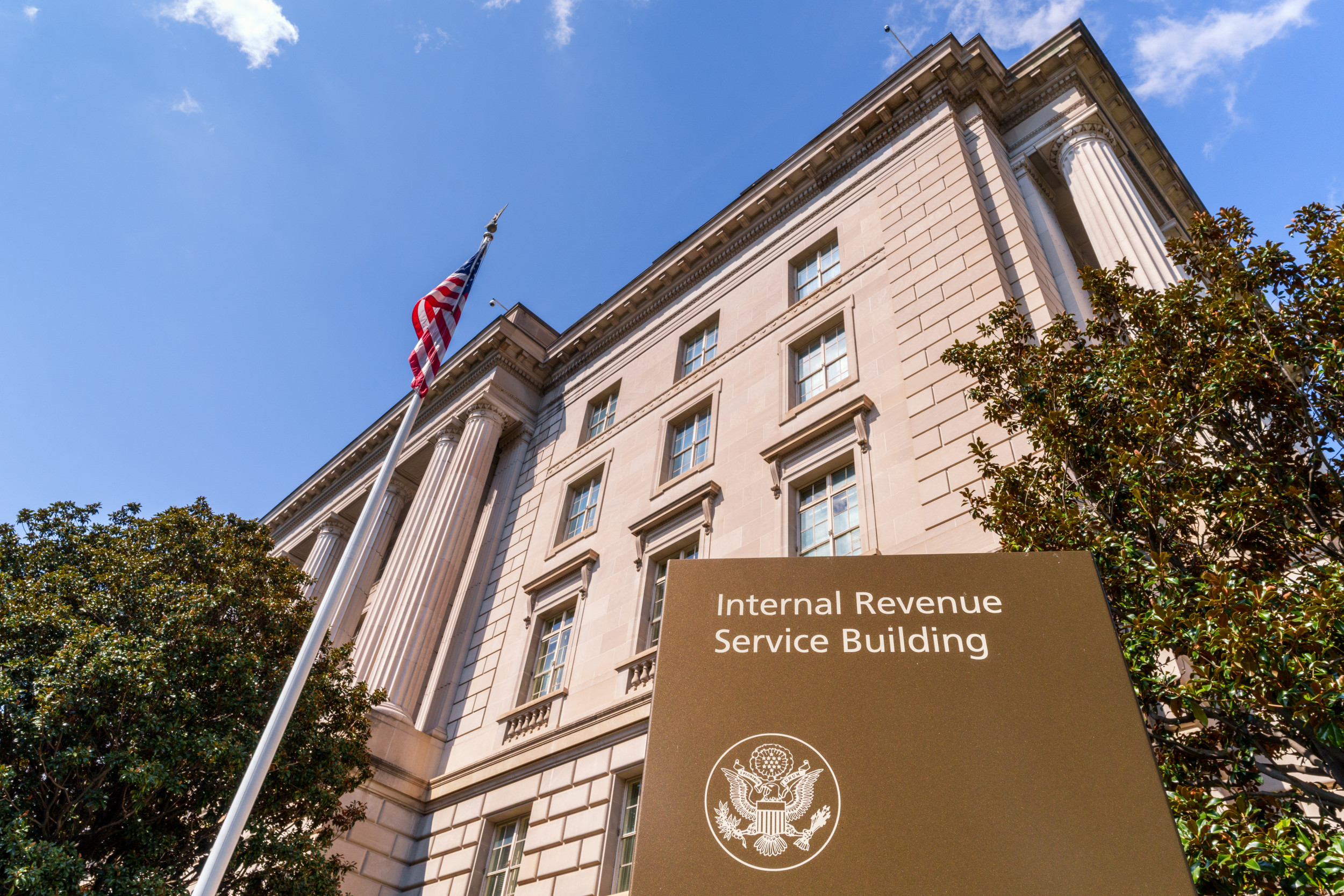
Securing employment with the Internal Revenue Service offers stable long-term career paths, robust pension plans, and competitive public sector salaries that factor in local cost-of-living adjustments. If you're looking to break into federal tax administration, compliance, or information technology, understanding the specialized application process through USAJOBS is vital.
Working for the agency goes far beyond tax collection. Professionals across accounting, data analytics, customer service, and criminal investigation drive operations nationwide. Whether you're an entry-level applicant or an experienced CPA, navigating federal hiring requires a shift from standard corporate job search strategies.
Popular Career Paths at the IRS
The agency features diverse occupational series tailored to different skill sets and educational backgrounds. Knowing which track matches your expertise helps target your application effectively.
- Revenue Agents: These professionals serve as the primary tax auditors for corporations, small businesses, and complex estates. They typically require a strong background in accounting, including specific college-level credit hours in financial accounting, auditing, and tax law.
- Customer Service Representatives (CSRs): CSRs handle taxpayer inquiries via phone, correspondence, and digital channels. This entry point is ideal for individuals with strong communication skills and customer support experience, offering clear ladders for internal advancement.
- Criminal Investigators (IRS-CI): Special agents investigate financial crimes, money laundering, tax fraud, and public corruption. This role requires rigorous physical fitness standards, comprehensive background investigations, and specialized law enforcement training.
- Information Technology Specialists: Protecting taxpayer data and modernizing legacy computer systems requires skilled software engineers, cybersecurity analysts, and network administrators.
The General Schedule Pay System and Compensation
Federal white-collar salaries operate under the General Schedule (GS) classification system. Grades range from GS-1 to GS-15 based on job complexity and required qualifications, with each grade containing ten internal steps.
- Education and Entry Grades: High school graduates with general experience often qualify for entry-level positions around GS-2 to GS-4. Candidates holding a bachelor’s degree typically qualify for GS-5 or GS-7 positions, while master's degrees or specialized experience open doors to GS-9 and above.
- Locality Pay Adjustments: Base salaries are supplemented by locality pay percentages that reflect regional labor markets, ensuring compensation aligns with local living costs.
- Total Compensation Benefits: Beyond cash wages, employment includes the Federal Employees Retirement System (FERS) pension, matching contributions for the Thrift Savings Plan (TSP) similar to a 401(k), and comprehensive health insurance choices.
Step-by-Step Federal Application Strategy
Standard one-page résumés get filtered out instantly by federal automated screening tools. Securing an interview demands a deliberate approach.
- Build a Dedicated Federal Résumé: Unlike standard resumes, federal applications require extensive detail. Include exact start and end dates (month and year), hours worked per week, detailed duties, and supervisor contact information for every past role.
- Mirror Specialized Experience: Open the job announcement on USAJOBS and examine the qualifications section closely. Weave the exact terminology from the announcement into your resume descriptions to demonstrate how you meet the criteria.
- Complete Occupational Questionnaires: Answer self-assessment questions honestly. Overstating skills without backup documentation in your work history results in immediate disqualification.
- Monitor USAJOBS Status: After submitting, tracking updates through your account dashboard shows whether your application status moves from received to referred.
Common Mistakes to Avoid
Applicants frequently stumble during the federal hiring cycle due to avoidable errors.
- Submitting Short Résumés: Keeping a resume to one or two pages is standard in the private sector, but federal HR specialists need comprehensive documentation to verify qualifications.
- Ignoring Document Requirements: Forgetting to upload college transcripts, professional licenses, or proof of veteran status will invalidate an otherwise competitive application packet.
- Relying on General Keywords: Vague descriptions like "managed accounts" fail. Instead, specify the scale, such as "managed corporate compliance portfolios valued at $2 million."
Frequently Asked Questions
How long does the IRS hiring process take?
The timeline from initial application submission to a firm job offer typically spans two to four months. Background investigations and suitability clearances add time depending on the security clearance level required for the role.
Do I need a background in accounting for all IRS positions?
No. While roles like revenue agents and tax specialists require specific accounting credits, career tracks in IT, administration, human resources, customer service, and criminal investigation prioritize alternative skill sets and educational backgrounds.
What are USA Hire Assessments?
Many vacancies require candidates to complete online proctored assessments evaluating cognitive ability, judgment, or job-specific knowledge. Check email notifications carefully after applying, as these assessments have strict completion deadlines.
Can I negotiate my starting salary step?
New hires typically start at Step 1 of their assigned GS grade. However, the agency may consider superior qualifications or matching previous salary history if requested during the tentative offer stage, provided supporting documentation is supplied.



