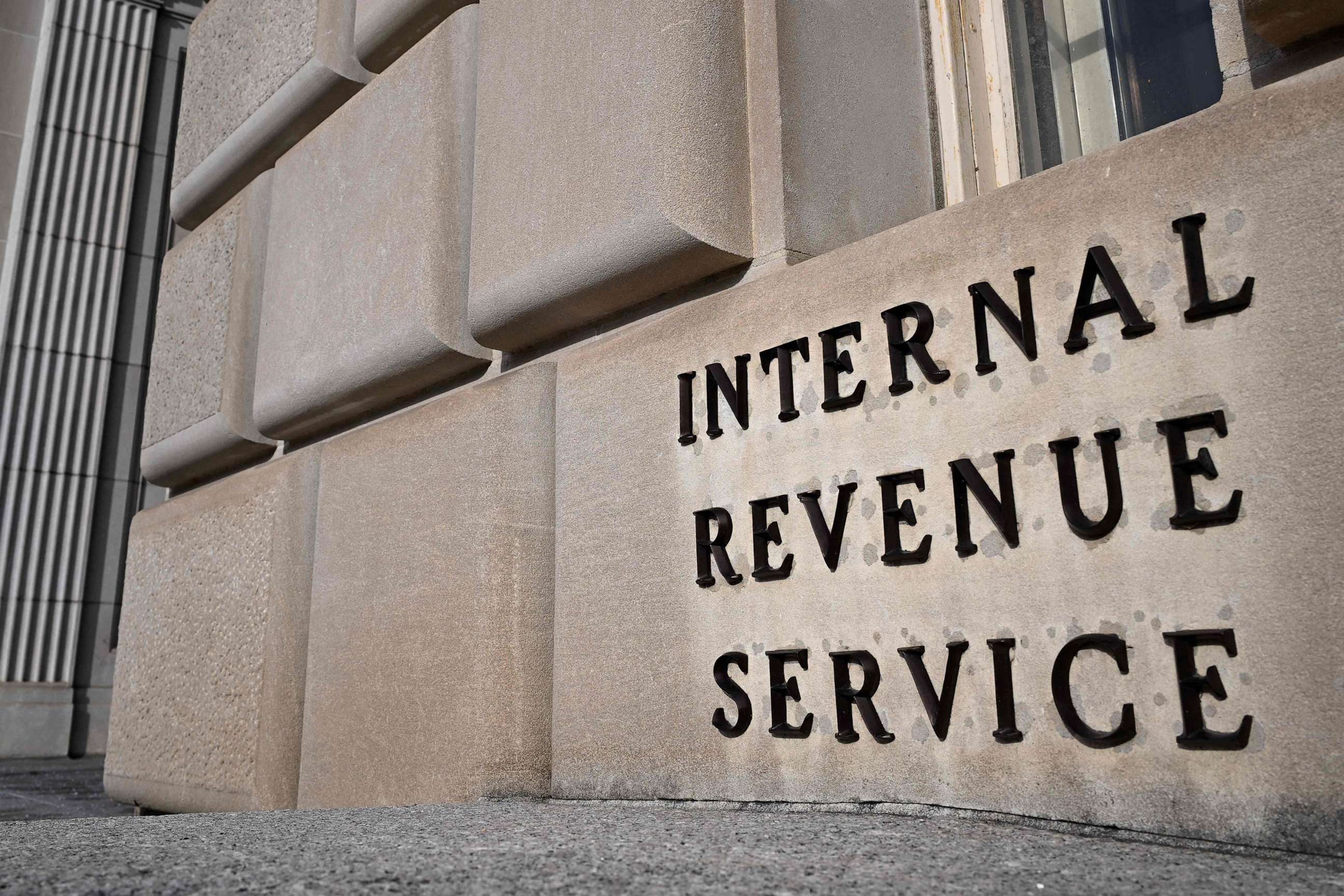
When viral claims or recurring social media rumors promise a special August direct deposit or a new federal stimulus check, confusion naturally follows. In reality, the Internal Revenue Service does not currently distribute general federal stimulus checks. What does matter for August payments is how the federal government handles standard tax refunds, mandatory electronic disbursement rules, and verifying your account details to prevent frustrating delays.
Navigating federal payment updates requires separating official IRS operational changes from unverified internet rumors. This guide breaks down what governs August direct deposits, who qualifies for electronic disbursement, and how to verify your actual account status through official government portals.
Understanding Federal Direct Deposit Rules
The landscape of federal disbursements changed significantly following the implementation of Executive Order 14247, which mandated that the federal government transition away from paper checks. Under these regulations, the IRS and the Department of the Treasury prioritize electronic methods for sending out funds.
If you are expecting money from the IRS—whether it is a delayed tax refund, an amended return adjustment, or a state-level credit processed through federal cooperation—the method of delivery dictates how fast the funds land in your account. Direct deposit remains the primary, secure default.
The Shift Toward Electronic-Only Disbursements
Paper checks are increasingly phased out for general government disbursements. If you haven't provided valid routing and account numbers on your tax filing, processing times stretch out considerably while the agency works through exception protocols.
Key aspects of current IRS direct deposit policies include:
- Primary Disbursement: Electronic transfer to a checking or savings account is the mandated standard for federal refunds.
- Alternative Options: For individuals without traditional bank accounts, approved prepaid debit cards or mobile payment apps serve as compliant electronic destinations.
- Hardship Exceptions: Paper checks remain available only for narrow, specific hardship exemptions or individuals lacking access to banking services.
Who Qualifies for Direct Deposit Payments?
Eligibility for direct deposit isn't about qualifying for a non-existent stimulus program; it is about meeting the criteria to receive federal tax funds electronically. Every filer who submits a tax return with valid banking details qualifies to receive their funds via direct deposit.
To ensure your account is eligible for smooth electronic routing, you must meet specific requirements:
- Accurate Tax Filing: Your return must be fully processed, with no identity verification flags or math errors holding up the review.
- Valid Routing Information: Your 9-digit routing number and account number must match your financial institution's records. Transposed digits automatically bounce payments back to the Treasury, converting them into paper checks that take weeks to reissue.
- Account Ownership: The bank account must be in your name (or your joint filer's name). Direct deposits cannot be routed to third-party accounts or peer-to-peer handles that lack official routing architecture.
Common Mistakes That Delay Direct Deposit
Even though direct deposit is designed to be fast, simple errors frequently stall payments. Avoiding these common mistakes ensures your money arrives without administrative holdups.
- Mixing Up Account Types: Entering a savings account number while checking the box for a checking account causes processing rejections at the bank level.
- Using Deposit Slips: Routing numbers found on a deposit slip are often different from the electronic routing numbers printed on checks or listed in online banking portals. Always pull numbers from an official check or your banking app.
- Failing to Update Closed Accounts: If you switch banks between filing your return and receiving a disbursement, the IRS will send funds to the old, closed account. The bank will reject the transfer, forcing the Treasury to issue a paper check by mail.
How to Check Your Actual Payment Status
Third-party blogs often recycle old headlines, attaching current months to outdated or entirely fabricated stimulus figures. To protect your personal information and find accurate updates, skip social media links and use official federal tools.
Log into your secure IRS Individual Online Account to review your tax history, check refund tracking data, and verify that your banking information is current. For immediate tracking on a pending return, use the official Where's My Refund? tool rather than relying on unverified third-party trackers.
Frequently Asked Questions
Are there new federal stimulus checks coming in August?
No. Federal stimulus payments concluded with prior legislative relief packages. Any claim online promising new federal stimulus checks for a specific month is unverified social media noise.
What happens if my direct deposit bounces because of an incorrect account number?
If your bank rejects the electronic transfer, the funds return to the IRS. The agency will then automatically stop processing electronic deposits for that transaction and issue a paper check to your address on file, which typically adds several weeks of delay.
Can I give my direct deposit information over the phone to an IRS agent?
No. For security and privacy reasons, IRS employees are never permitted to take direct deposit information over the phone or in person. Changes must be made securely through official online accounts or submitted via tax forms.
How long does a standard direct deposit take to arrive?
For electronically filed returns with direct deposit and no errors, the IRS typically issues refunds within 21 days. Paper returns or returns requiring manual review take significantly longer.



