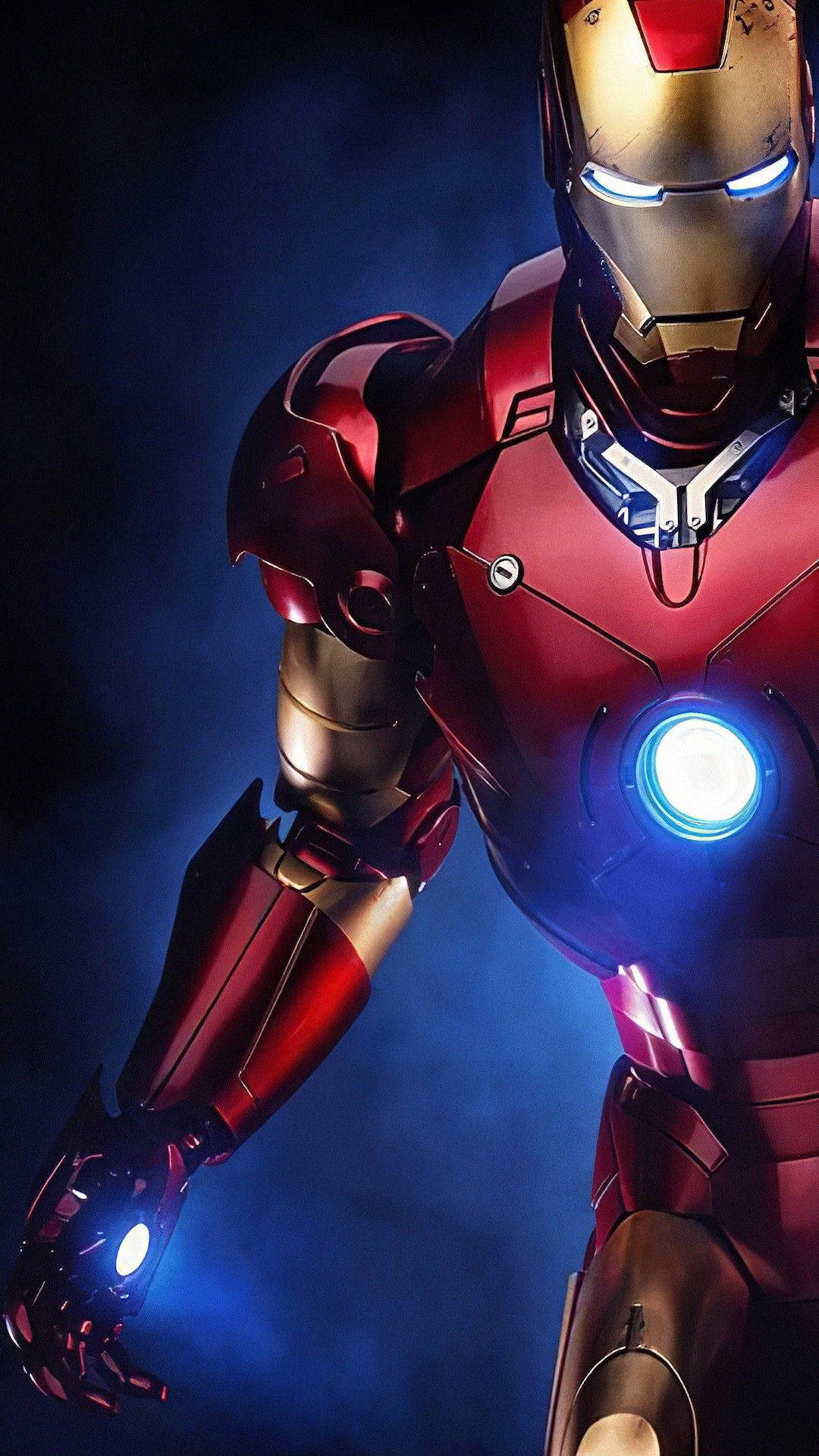
Long before Robert Downey Jr. put on the physical helmet in 2008, Tony Stark lived in the Saturday morning routine of millions of children through a polarizing 1994 television adaptation. Iron Man animated series history offers a fascinating look at how comic book adaptations evolved under corporate mandates, toy-industry pressures, and radical creative reboots. While contemporary fans often remember Fox's X-Men or Spider-Man as the definitive templates of that decade, the Armored Avenger carved out a unique, bumpy path that directly influenced how television executives handled serialized comic book storytelling.
The show premiered in syndication as part of the Marvel Action Hour, kicking off with a rock-heavy theme song by Keith Emerson and an awkward CGI suit-up sequence that immediately divided viewers. Yet beneath the dated production values and syndication constraints lies a dual-era experiment. Season one leaned into a formulaic Saturday morning cartoon structure featuring a ring-hungry Mandarin and a rotating roster of villains. Season two completely pivoted into a grittier, serialized narrative with redesigned armors and complex character motivations. Examining this production helps explain how early 90s television built the scaffolding for today's multi-billion-dollar superhero culture.
The Rocky Road of Season One: Campy Syndication and Toy Line Pressures
The genesis of the 1994 show cannot be separated from the business realities of the era. Marvel Entertainment Group, under the guidance of Avi Arad and Stan Lee, wanted to capitalize on the lucrative action figure market pioneered by Toy Biz. Every hero and villain needed alternate suits and gadget variants to fill store shelves.
Season one reflected these commercial demands. The writing relied heavily on a predictable formula: the Mandarin assembled a cabal of mercenaries—including MODOK, Justin Hammer, and Blizzard—to steal Stark technology or acquire ancient rings. Tony Stark spent half his time fighting corporate espionage and the other half managing a superhero team called Force Works, which traded classic Avengers staples like Captain America for characters whose rights weren't tied up elsewhere.
Viewers and critics noticed the tonal inconsistency. The dialogue often felt stiff, and the animation quality fluctuated wildly depending on which overseas studio handled the episode. Furthermore, the early episodes tried too hard to balance lighthearted quips with dark ecological or political plots, resulting in narrative whiplash.
Why the First Season Missed the Mark
- Overstuffed Villain Rosters: Episodes routinely crammed multiple adversaries into twenty-minute runtimes, leaving little room for character development.
- The CGI Armor Problem: The primitive computer-generated transition sequence used whenever Tony donned his armor clashed sharply with the traditional hand-drawn cel art.
- Identity Mechanics: The show repeatedly danced around the secret identity trope, featuring convoluted plots to prove Tony Stark and Iron Man were different people that stretched audience credulity.
Despite these flaws, season one established core emotional stakes. Episodes detailing Tony's heart condition, his reliance on his chest regulator, and his strained relationships with associates like James Rhodes (War Machine) gave the protagonist a layer of vulnerability missing from standard cartoon action heroes of the time.
The Season Two Creative Overhaul: A Grittier Vision
Faced with underwhelming critical reception and lukewarm ratings, the production team implemented a sweeping creative reboot for season two. New World Animation took over primary duties, and the leadership team opted for a complete aesthetic and narrative restructuring.
The changes were immediately visible. The bulky, mouth-slit helmet design from season one was discarded in favor of the classic, sleek comic book look. The jarring CGI armor-up sequence vanished entirely, replaced by traditional animation cells that sped up the pacing. More importantly, the writing room shifted focus toward serialized arcs, corporate paranoia, and internal team conflicts.
The tone became visibly darker. Instead of relying solely on the Mandarin as a mustache-twirling mastermind, the series introduced complex threats like Ghost, the Crimson Dynamo, and the brooding psychological weight of the Armor Wars storyline. Tony Stark was no longer just an upbeat inventor; he was a stressed, hyper-vigilant CEO haunted by the misuse of his own technology.
Key Shifts in the 1995-1996 Rework
- Serialized Storytelling: Arcs spanned multiple episodes, allowing conflicts to breathe and consequences to persist.
- Expanded Arsenal: Tony routinely swapped out specialized suits (such as the underwater or space-faring variants) depending on the tactical requirement of the week.
- Maturer Character Dynamics: Interpersonal friction within Force Works felt heavier, reflecting the broader trend toward anti-hero storytelling in 90s comics.
Adapting Marvel Lore for Television Audiences
Translating print stories to weekly television required significant compromises. Showrunners often altered character origins, nationalities, and team rosters to fit network broadcast standards and budget restrictions. For example, Ho Yinsen became Wellington Yinsen, and certain comic book villains were repurposed or merged to streamline the narrative.
These creative liberties taught television writers valuable lessons about adaptation. A direct panel-to-screen translation rarely works in a serialized visual medium. Creators had to distill complex comic runs—such as Bob Layton and David Michelinie's seminal stories—into digestible television segments without losing the core psychological struggle of an alcoholic, brilliant industrialist fighting his own demons and inventions.
You can read more about the historical context of comic adaptation milestones through Marvel. The shifting standards of broadcast censorship also meant that physical violence was toned down in favor of energy blasts and robotic destruction, pushing writers to find creative ways to create high stakes through personal betrayal and economic ruin rather than physical brutality.
The Legacy of Iron Man in Animation
While the series was ultimately cancelled after two seasons due to declining syndication ratings, its footprint on subsequent Marvel projects is undeniable. It proved that a secondary tier Marvel property could sustain a standalone television run, paving the way for deeper dives into the publisher's catalog.
The voice performances—particularly Robert Hays as Tony Stark and various veteran voice actors filling out the rogue's gallery—helped cement the personality blueprint for the character. The arrogant yet deeply principled billionaire archetype seen here directly informed how fans expected Tony Stark to behave. When Jon Favreau and Marvel Studios began casting the 2008 live-action film, the cultural baseline for who Tony Stark was had already been heavily influenced by these syndicated cartoon iterations playing on television screens across the world.
Frequently Asked Questions
Why did the Iron Man animated series change its animation style between seasons?
Due to poor critical reception and low ratings for season one, the production studios changed hands. The new team dropped the unpopular CGI suit-up sequences, updated the character models to mirror classic comic aesthetics, and aimed for a more mature narrative tone.
Is the 1990s Iron Man cartoon connected to other shows of that era?
Yes. While it existed primarily as part of the Marvel Action Hour syndication block, Robert Hays reprised his role as Tony Stark in crossover episodes of Spider-Man: The Animated Series during the mid-1990s.
Did the show adapt famous comic storylines?
Yes, the series adapted several notable comic arcs, most notably a modified version of the Armor Wars storyline where Tony Stark hunts down people using stolen Stark technology.
Where can viewers stream the series today?
Following corporate acquisitions and the launch of proprietary streaming platforms, the complete two-season run is available to watch on Disney+.


