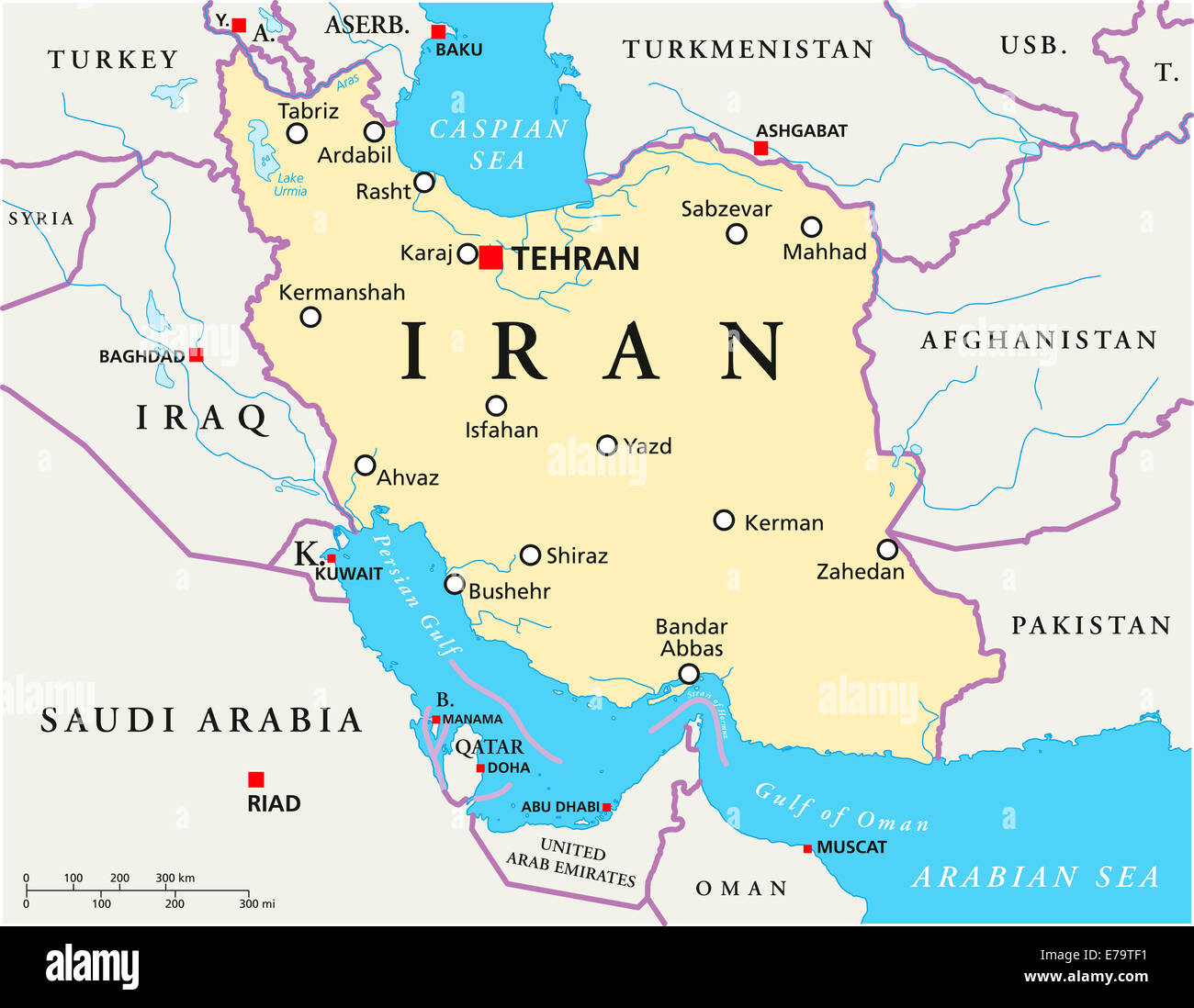
The Iran national football team arrived at the 2022 FIFA World Cup in Qatar carrying immense expectations and extraordinary external pressures. Placed in a formidable Group B alongside England, Wales, and the United States, Team Melli faced a tournament defined as much by high-stakes geopolitics as by tactical chess matches on the pitch. Under the veteran guidance of manager Carlos Queiroz—who returned to helm the squad just months before kickoff—Iran's campaign became an emotional rollercoaster of heavy defeat, resilient redemption, and ultimate heartbreak.
To understand Iran's 2022 journey is to look past simple scorelines and examine a complex narrative of sporting grit, locker-room unity under pressure, and the razor-thin margins that separate group-stage survival from early elimination.
The Backdrop: Chaos, Coaching Changes, and Expectations
Preparation for Qatar 2022 was far from smooth for the Iranian Football Federation. Dragan Skocic had successfully navigated Team Melli through the third round of the Asian Qualifiers, securing direct qualification with impressive numbers. Yet, internal political shifts and player lobbying led to Skocic's dismissal and subsequent reinstatement during the summer of 2022, before Queiroz was brought back for his third stint in September.
This late managerial upheaval forced Queiroz to quickly instill his trademark defensive pragmatism. Known for organizing compact defensive blocks, quick transitions, and physical discipline, the Portuguese coach had to unite a squad facing intense media scrutiny regarding domestic protests back home. The players walked a tightrope between representing their nation on the world's biggest stage and navigating social friction. Despite these distractions, the squad boasted seasoned European-based stars like Mehdi Taremi and Sardar Azmoun, providing genuine optimism that Iran could escape the group stage for the first time in its history.
Matchday One: The Nightmare Opening Against England
Group B opened with a brutal reality check at the Khalifa International Stadium on November 21, 2022. Facing a surging England side, Iran suffered a catastrophic blow early when starting goalkeeper Alireza Beiranvand collided violently with teammate Majid Hosseini, resulting in a broken nose and concussion. Forced into an emergency substitution, backup Hossein Hosseini faced an onslaught.
England dismantled Iran's structural discipline, capitalizing on defensive errors to cruise to a 6-2 victory. Jude Bellingham opened the scoring, and Bukayo Saka added a brace, exposing the gaps in Iran's unprepared low block.
Despite the lopsided scoreline, there were silver linings for Team Melli. Mehdi Taremi scored two brilliantly taken goals—one a thunderous roof-of-the-net finish in the second half and another from a late penalty. These goals proved vital for goal difference and injected a flicker of hope that Iran's attacking talents could trouble elite opposition. You can review the official tournament statistics and historical context directly on FIFA.
Matchday Two: The Dramatic Redemption Against Wales
Four days later at the Ahmad bin Ali Stadium, a transformed Iranian side stepped onto the pitch to face Wales. Needing a result to keep qualification hopes alive, Queiroz abandoned the ultra-passive posture that doomed them against England, deploying a dynamic 4-4-2 formation that exploited Welsh vulnerabilities.
Iran dominated the tempo, hitting the woodwork twice in quick succession during the second half through Sardar Azmoun and Ali Gholizadeh. The pressure mounted continuously until the 98th minute. Welsh goalkeeper Wayne Hennessey received a red card outside the box for a reckless challenge on Taremi, reducing Wales to ten men.
Just as the match appeared destined for a scoreless draw, defender Rouzbeh Cheshmi unleashed a ferocious, bouncing strike from 25 yards out in the 9th minute of stoppage time, beating Danny Ward to spark wild celebrations on the pitch and technical area. Minutes later, Ramin Rezaeian capped off a swift counterattack with a delicate chip over the keeper, securing a famous 2-0 victory. It was Iran's first-ever World Cup win against a European nation, instantly erasing the misery of the opening match and breathing new life into their knockout ambitions.
Matchday Three: The High-Stakes Clash with the United States
The group stage finale on November 29, 2022, at the Al Thumama Stadium carried unprecedented global attention. A geopolitical rivalry converged with a direct sporting shootout: the winner would advance to the Round of 16, while a draw suited the United States, provided Wales didn't defeat England.
The match unfolded as a tense tactical battle. The USMNT adopted a high-intensity press that disrupted Iran's buildup play from the back. In the 38th minute, Christian Pulisic broke the deadlock, sliding home a cross from Sergiño Dest while colliding with Iranian goalkeeper Alireza Beiranvand, who had bravely returned to the starting lineup.
Trailing 1-0 at halftime, Iran pushed forward in the second half. Queiroz introduced fresh legs, including Saman Ghoddos and Mehdi Ghaedi, to inject creativity into the midfield. Iran created several half-chances, most notably a frantic penalty shout in stoppage time when Taremi went down in the box under pressure from Cristian Roldan, but Spanish referee Antonio Mateu Lahoz waved play on. The United States held firm defensively, running out 1-0 winners and extinguishing Iran's dream of reaching the knockout rounds.
Legacy, Tactics, and Where It Went Wrong
Analyzing Iran's campaign reveals clear reasons why the journey ended in heartbreak rather than history:
- Fragile Defensive Transitions: While Queiroz is renowned for defensive solidity, conceding six goals to England exposed severe organizational flaws when under sustained pressure against elite midfields.
- Over-Reliance on Counterattacks: Iran struggled to dictate possession against technically superior sides, leaving Taremi and Azmoun isolated for long stretches of matches.
- Mental Toll of External Pressures: The squad operated under immense psychological strain, balancing national athletic duty with intense political spotlights from home.
For deeper context on international football governance and global tournament regulations, consult the AFC. Despite falling short of the Round of 16, Team Melli demonstrated moments of tactical brilliance, resilience, and genuine heart that cemented this squad as one of the most memorable in the nation's footballing history.
Frequently Asked Questions
Did Iran qualify for the knockout stage of the 2022 World Cup?
No. Iran finished third in Group B with three points, behind England (seven points) and the United States (five points), missing out on the Round of 16 by a single point.
Who was Iran's top scorer at the 2022 World Cup?
Mehdi Taremi led Iran's scoring chart in Qatar, netting two goals during the opening match against England.
Why did Carlos Queiroz return to coach Iran before the tournament?
Dragan Skocic was dismissed by the Iranian Football Federation following administrative board changes and pressure from senior players, prompting the federation to rehire Queiroz in September 2022 to leverage his tournament experience.
How many times has Iran played in the FIFA World Cup?
As of 2022, Iran has appeared in six FIFA World Cups (1978, 1998, 2006, 2014, 2018, and 2022), though they have never advanced past the group stage.



