The triangle of relations between Iran, Israel, and Russia represents one of the most volatile and complex alignments in modern geopolitics. Driven by shifting wartime dependencies, sanctions pressure, and strategic calculations, these three actors find themselves locked in an increasingly interdependent loop. Rather than a formal, unified bloc, their interactions are defined by pragmatic transactionalism, where military exchanges in Eastern Europe directly reshape air defense equations and military balance across the Middle East.
Understanding the current dynamic requires looking beyond temporary headlines to examine how trade, defense technology transfers, and diplomatic posturing intersect. Moscow's reliance on Iranian drone and missile technology, alongside Tehran's urgent need for advanced Russian military hardware, has transformed what was once a loose diplomatic association into a high-stakes security partnership.
The Evolution of the Russia-Iran Military Axis
For decades, Russia and Iran maintained a relationship built primarily on convenience, mutual distrust of Western hegemony, and selective regional cooperation—most notably in Syria. However, the onset of the war in Ukraine drastically accelerated their military integration. Isolated by sweeping Western sanctions, Moscow turned heavily to Tehran for low-cost loitering munitions, short-range ballistic missiles, and manufacturing assistance.
This dynamic created a profound reciprocal obligation. In exchange for military supplies, Tehran has sought advanced conventional capabilities from Moscow, including modern air-defense systems and fighter aircraft. For Iranian military planners, securing these technologies is vital for upgrading an aging air force and fortifying strategic infrastructure against potential pre-emptive strikes.
- Unmanned Aerial Systems: Joint production initiatives have allowed Russia to internalize drone manufacturing techniques initially developed in Iran.
- Technology Transfer Debates: While Iran frequently pushes for immediate delivery of high-end platforms like advanced jets, delivery schedules often fluctuate based on Moscow's competing domestic defense needs and diplomatic sensitivities.
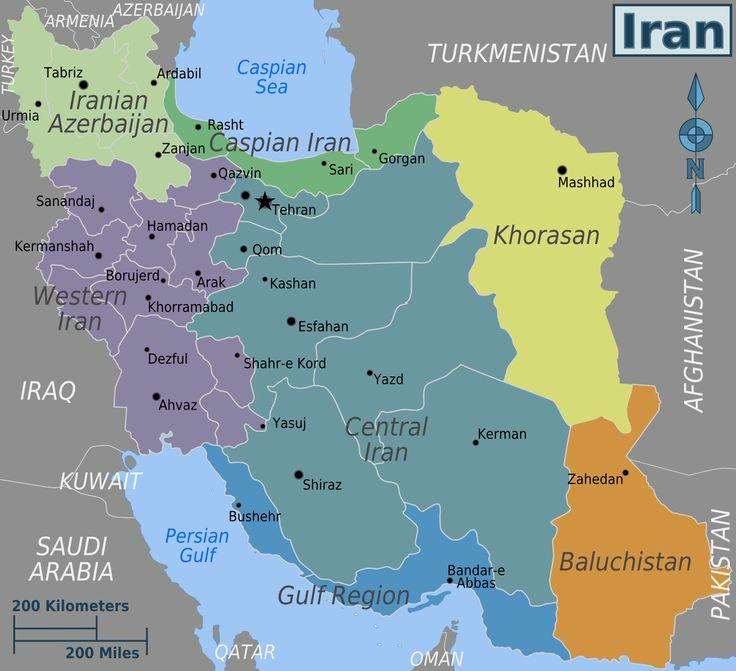
- Sanctions Evasion: Both nations utilize sophisticated maritime and overland logistics corridors, particularly via the Caspian Sea, to bypass trade restrictions and sustain bilateral commerce.
You can read more about bilateral cooperation frameworks through the Middle East Council on Global Affairs.
The Security Dilemma for Israel
The deepening axis between Moscow and Tehran introduces severe strategic complications for Israel. Historically, Israel and Russia maintained a delicate "deconfliction" mechanism in Syria, allowing Israeli jets to target hostile Iranian proxy infrastructure without clashing with Russian forces stationed in the country.
However, as Russia grows dependent on Iranian military support, Jerusalem faces a deteriorating security environment. Advanced Russian military hardware transfers to Iran threaten to narrow Israel's qualitative military edge. Furthermore, diplomatic backing from Moscow provides Tehran with an international shield at multilateral forums like the United Nations, complicating efforts to isolate Iran's nuclear program.
- Air Defense Modernization: If Iran acquires advanced Russian surface-to-air missile systems, executing tactical aerial operations becomes significantly riskier for Israeli defense planners.
- Intelligence Sharing: Speculation persists among intelligence analysts regarding expanded technical cooperation between Moscow and Tehran, which could potentially include radar and satellite intelligence sharing.
- Diplomatic Balancing: Israeli leadership must carefully navigate its relationship with Moscow, balancing its condemnation of the Ukraine conflict with the urgent imperative of monitoring northern security threats.
Additional insights on regional security dynamics are regularly published by the Washington Institute for Near East Policy.
Limits of the Partnership and Diverging Interests
Despite mounting pressures, the relationship between Moscow and Tehran is not without friction. Each capital retains core national interests that routinely conflict with the other's objectives. Russia, for instance, maintains robust economic and diplomatic ties with several of Iran’s primary regional rivals, including Gulf Arab states.
Moreover, historical skepticism runs deep within the Iranian political establishment. Many figures in Tehran remember instances where Moscow appeared to use Iran as a tactical bargaining chip in wider negotiations with Washington and European capitals. Russia's response to direct escalations between Israel and Iran has often highlighted these limitations, as Moscow frequently defaults to calls for diplomatic restraint rather than offering a direct security guarantee.
- Economic Competition: Both nations compete for energy market share, particularly in Asian oil and gas sectors, complicating long-term economic integration.
- Unfulfilled Commitments: Delays in fulfilling high-profile arms delivery contracts have periodically fueled domestic criticism in Iran regarding the true reliability of Russian strategic commitments.
- Third-Party Pressures: External diplomatic pressure from the United States and European Union constantly forces both governments to calibrate the speed and transparency of their bilateral agreements.
Comprehensive analysis regarding foreign policy constraints can be explored via Chatham House.
Frequently Asked Questions
Why has the relationship between Iran and Russia grown closer?
The partnership has accelerated primarily due to international isolation and wartime necessity. Russia's military campaigns created an urgent demand for Iranian drone technology, while Iran views closer security alignment with Moscow as a primary safeguard for long-term military survival and deterrence.
How does the Russia-Iran axis impact Israel?
It presents serious strategic challenges by threatening to upgrade Iran's air defenses and conventional military capabilities. This reduces the margin of safety for Israeli military planners and complicates diplomatic efforts to contain Iran's regional influence.
Is the Iran-Russia alignment a formal military alliance?
No. Most geopolitical analysts characterize the relationship as a pragmatic, transactional alignment rather than a binding mutual defense treaty. Both countries cooperate out of immediate strategic utility rather than shared ideological alignment, and their long-term interests frequently diverge.
What role do economic factors play in this dynamic?
Economic cooperation focuses heavily on sanctions evasion, infrastructure development, and bilateral trade corridors. However, long-term economic cooperation is constrained by the fact that both countries compete directly as energy exporters in international markets.



