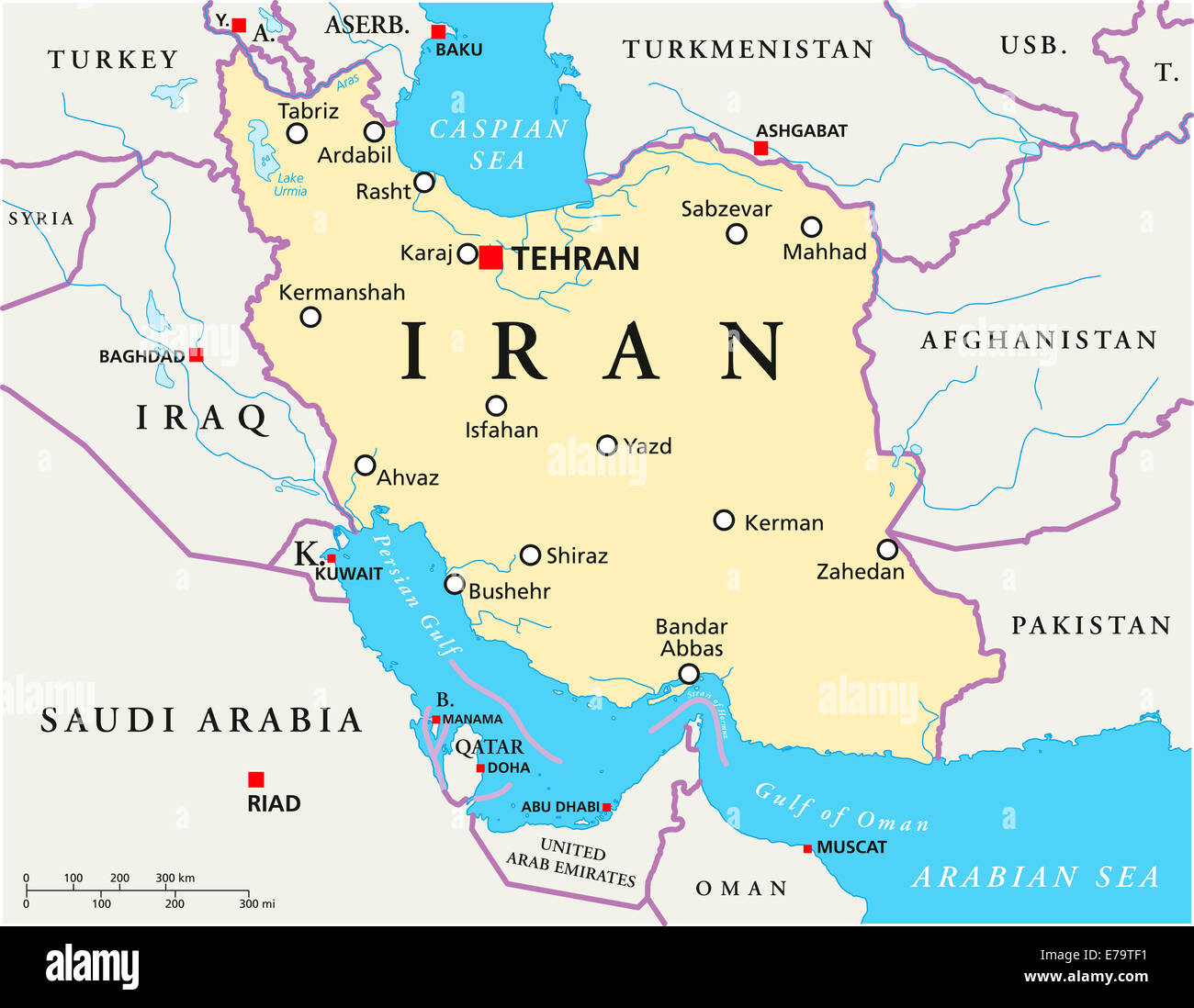
Tensions in the Middle East reached an unprecedented threshold in mid-2025, culminating in the Twelve-Day War. The direct military engagements between Iran and Israel shattered decades of shadow warfare, transforming covert operations into open, high-stakes combat. This escalation tested regional alliances, international diplomacy, and global economic stability as leaders scrambled to prevent a wider conflagration.
Understanding how a fragile diplomatic framework gave way to open airstrikes—and how international mediation salvaged a temporary truce—requires looking closely at the military timelines, intelligence failures, and backroom negotiations that shaped June 2025.
The Spark: June 13 and the Opening Strikes
The confrontation shifted permanently on June 13, 2025, when the Israeli Air Force launched sweeping operations targeting strategic military installations and nuclear infrastructure across Iran. Unlike previous exchanges involving proxy groups or retaliatory drone swarms, these strikes directly challenged Iran's sovereign defense capabilities.
Tehran faced a severe strategic dilemma. Its leadership had to respond domestically and internationally to demonstrate deterrence, yet a disproportionate counter-offensive risked inviting a devastating, multi-front retaliation involving Western powers. Over the following days, the Islamic Revolutionary Guard Corps launched wave-based missile salvos, targeting adversary assets while testing regional air defense systems.
- Targeting Scope: Israeli jets focused heavily on missile production facilities, radar arrays, and key components of Iran's atomic program.
- Proxy Involvement: Regional militias aligned with Tehran activated secondary pressure fronts, though logistical constraints and prior degradation limited their effectiveness.
- Intelligence Dynamics: Both sides miscalculated the speed at which cyber warfare and electronic countermeasures would degrade command-and-control networks.
The Twelve-Day War and Global Ramifications
For nearly two weeks, global markets and diplomatic capitals held their breath as the conflict earned the moniker of the Twelve-Day War. Energy markets fluctuated wildly on fears that crude oil transit through the Strait of Hormuz would face catastrophic disruption.
Major international players scrambled to manage the fallout. According to analyses from institutions like Chatham House, traditional partnerships were severely strained as global capitals assessed the reliability of security commitments. Moscow, bogged down in its own European engagements, provided limited material aid to Tehran, leaving Iranian leadership isolated during critical phases of the air campaign.
Escalation Milestones
- June 22: United States forces intercepted incoming Iranian munitions and executed targeted strikes against several Iranian nuclear research sites.
- June 23: Iranian retaliatory measures included missile strikes directed toward regional assets housing American personnel, intensifying pressure for an immediate international intervention.
- June 24: Facing mutual exhaustion and mounting economic pressures, both nations signaled a willingness to pause active hostilities under intense external pressure.
Diplomacy, Mediation, and the June 24 Ceasefire
Active fighting ground to a halt following frantic diplomatic shuttling led primarily by the United States and Qatar. Mediators utilized back-channel communications to convince both governments that prolonged open warfare served neither side's long-term strategic objectives.
On June 24, 2025, a negotiated ceasefire took effect. While initial hours saw scattered violations and mutual accusations of bad faith, the truce held firm against immediate collapse.
- The Qatari Role: Doha acted as the primary neutral interlocutor, relaying non-public assurances between Washington, Jerusalem, and Tehran.
- Enforcement Mechanisms: Israeli defense officials, including Minister Israel Katz, publicly outlined strict enforcement parameters, warning that any attempt by Tehran to rebuild degraded ballistic or nuclear components would trigger immediate renewed action.
- Political Framing: American leadership hailed the truce as a strategic victory that curbed immediate threats without requiring a protracted ground campaign, though analysts remained skeptical about the long-term durability of the arrangement.
Frequently Asked Questions
What triggered the June 2025 conflict between Iran and Israel?
The open conflict began on June 13, 2025, when Israel launched large-scale airstrikes against Iranian nuclear facilities and military infrastructure, marking a transition from shadow warfare to direct military engagement.
How long did the open hostilities last?
Active combat lasted for twelve days, from June 13 to June 24, 2025, before a mediated ceasefire brought a temporary halt to the airstrikes and missile exchanges.
Who mediated the June 2025 ceasefire?
The ceasefire was primarily brokered through diplomatic efforts led by the United States and Qatar, utilizing direct communication channels to secure an agreement from both governments.
Did global powers like Russia come to Iran's aid?
Despite close diplomatic ties, Russia did not provide significant military assistance or advanced hardware during the conflict, leaving Tehran largely isolated against the joint Israeli and American operations.



