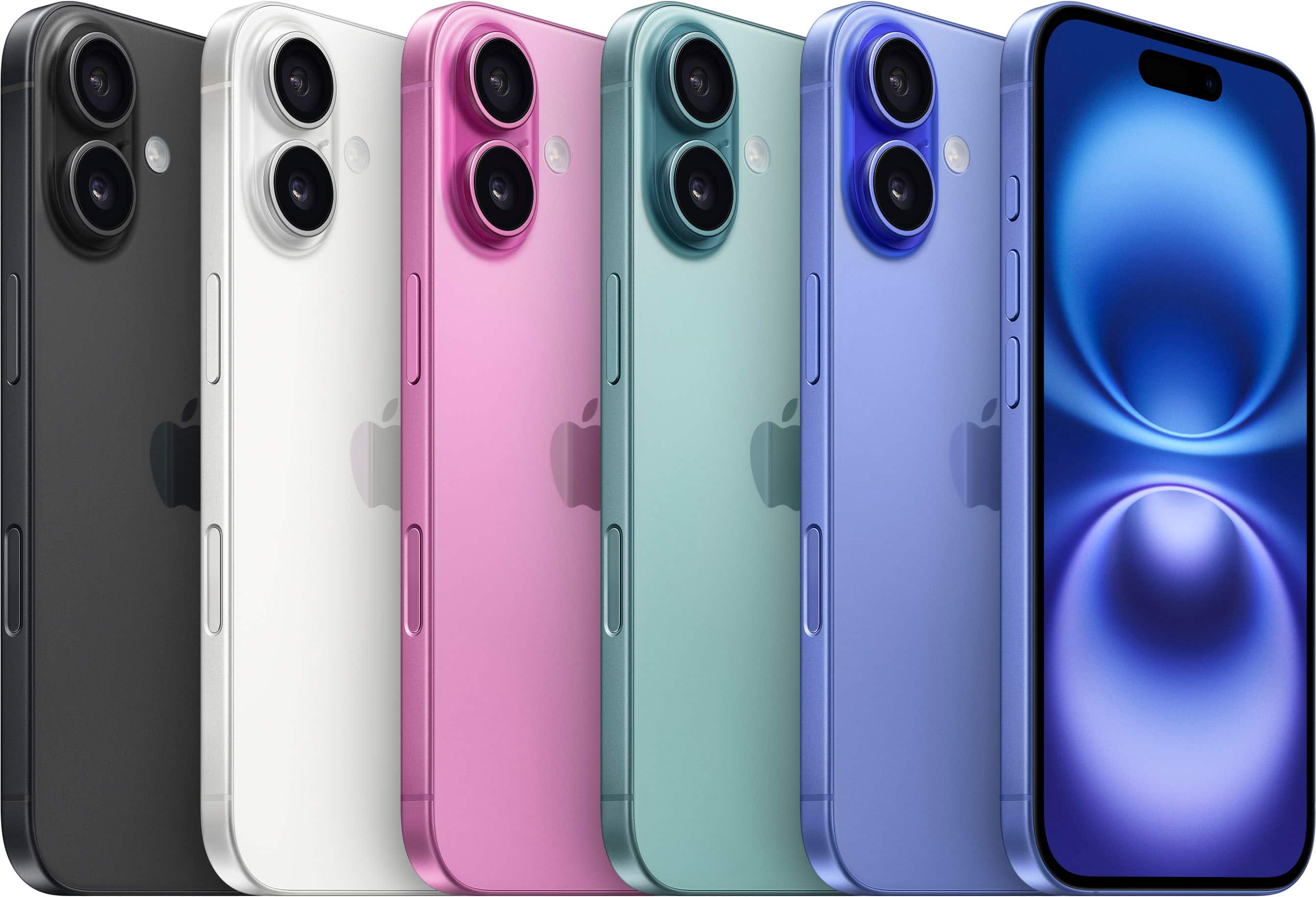
When Apple launched the iPhone XR, it targeted a sweet spot between high-end flagship pricing and everyday accessibility. Years after its debut, this device remains a fascinating study in engineering choices. If you're weighing whether this phone holds up or meets specific secondary needs, you need an unfiltered look at its core capabilities.
The primary strengths of the iPhone XR center on its enduring A12 Bionic processor, remarkable battery optimization, and a balanced 6.1-inch form factor. Conversely, its main weaknesses include a sub-1080p LCD panel, a single-lens rear camera setup that lacks optical zoom flexibility, and thicker bezels than modern OLED counterparts. Understanding how these hardware factors balance out helps determine if the device suits your workflow.
Core Hardware Advantages
Apple built the device around a philosophy of keeping expensive silicon while trimming secondary luxury features. This approach yielded several distinct advantages that still resonate for budget-conscious buyers.
The A12 Bionic Performance Edge
At the heart of the device sits the A12 Bionic chip, built on a 7-nanometer architecture featuring a dedicated Neural Engine. Even when stacked against newer mid-range handsets, this processor manages daily tasks, multi-app switching, and standard mobile gaming with minimal friction.
- Neural Engine capability: Handles machine learning tasks smoothly, from Face ID recognition to augmented reality applications.
- Sustained thermal management: The aluminum and glass chassis dissipates heat efficiently, preventing aggressive thermal throttling during extended use.
- Software longevity: Apple's historical software support means the hardware stays compatible with modern iOS versions far longer than typical Android alternatives from the same era.
Battery Endurance and Efficiency
Battery longevity stands out as one of the device's strongest attributes. Because the screen resolution is modest, the 2,942 mAh battery doesn't have to work as hard as those powering high-density pixel arrays.
Real-world usage consistently shows that moderate users can easily pull a full day—and often part of a second—on a single charge. For reference according to Apple Support, the phone supports up to 15 hours of internet use and 25 hours of talk time. Qi wireless charging and fast-charging capabilities (reaching 50% in roughly 30 minutes with a 20W adapter) add modern convenience to an older frame.
Ergonomics and Build Durability
The 6.1-inch Liquid Retina display hits an ideal middle ground—larger than older compact form factors, yet manageable for single-handed navigation. The 7000-series aerospace-grade aluminum frame paired with durable front and back glass absorbs minor impacts better than heavier stainless steel edges, which tend to show micro-scratches more readily.
Notable Structural Drawbacks
To hit its target price point, Apple made deliberate compromises. These trade-offs define the device's primary shortcomings and might frustrate users accustomed to modern flagship standards.
Display Limitations and Resolution
The single biggest point of contention is the Liquid Retina IPS LCD panel. Operating at an 828 x 1792 resolution (yielding roughly 326 ppi), it falls short of true 1080p high-definition standards.
- Black levels and contrast: Unlike OLED panels found on models like the iPhone XS, LCD technology cannot turn individual pixels completely off. Blacks often appear dark gray, particularly in low-light viewing environments.
- Pixel density: Close inspection reveals softer text edges and lower sharpness when rendering fine graphic details compared to modern high-res displays.
- Thick bezels: To accommodate the LCD driver chips and backlight assembly, Apple engineered wider black borders around the screen glass, reducing the modern edge-to-edge aesthetic.
Camera Versatility Restrictions
While the single 12-megapixel rear camera captures sharp daylight photos using Apple's Smart HDR processing, it lacks physical versatility.
- No optical zoom: Because there is no secondary telephoto or ultrawide lens, zooming in relies entirely on digital cropping, which rapidly degrades image clarity.
- Portrait mode limitations: The software-driven portrait mode relies heavily on human subject detection. It frequently struggles to isolate non-human objects or pets accurately compared to multi-lens systems.
- Low-light struggles: Without a dedicated Night Mode baked into the native camera app at launch, dark-room or night-time street photography introduces noticeable digital noise and shutter lag.
Connectivity and Physical Constraints
The hardware configuration reflects a transitional period in mobile connectivity. The device relies on a physical Lightning port rather than USB-C, limiting accessory cross-compatibility with modern laptops and iPads. Furthermore, its IP67 water resistance rating protects against shallow submersion up to one meter for 30 minutes, which trails the IP68 standard found on subsequent generations.
Performance Breakdown Across Key Use Cases
To evaluate how these strengths and weaknesses interact in daily scenarios, look at how the hardware handles specific tasks.
Media Consumption and Streaming
Watching video content on the 6.1-inch screen is acceptable for casual viewing, but multimedia enthusiasts will notice the limitations. The lower resolution means streaming apps cap video fidelity earlier, and the lack of deep OLED contrast dampens HDR video impact. On the audio side, the stereo speakers deliver decent volume and clarity for phone calls or short clips, but lack deep bass response for immersive movie-watching.
Productivity and Multitasking
Office tasks, email management, and document editing run smoothly. The 3GB of RAM, while modest by modern standards, pairs with iOS memory management to keep background apps stable. Switching between a browser, a spreadsheet, and a messaging app rarely triggers aggressive app reloading.
Frequently Asked Questions
Does the iPhone XR still receive software updates?
Apple provides operating system updates for several years following a device's lifecycle, though older hardware eventually reaches a threshold where it stops supporting the newest feature sets. Check current compatibility matrices on Apple's official site to verify the latest supported iOS version for specific builds.
How does battery health affect overall speed?
As lithium-ion batteries degrade chemically over time, Apple's power management features may dynamically throttle peak processor performance to prevent unexpected shutdowns. If an older unit feels sluggish, checking the maximum capacity percentage in the battery settings menu often explains the slowdown.
Can the single camera shoot professional-grade portraits?
It handles basic portrait shots of people quite well using software depth mapping. However, professional work requires better low-light performance and optical depth sensing that only multi-lens configurations or newer sensors provide.
Is 64GB of base storage enough for modern apps?
Base models equipped with 64GB fill up quickly if you store large video files, offline maps, or heavy mobile games. Users who manage media primarily through cloud storage can survive on 64GB, but 128GB variants offer much better long-term breathing room.


