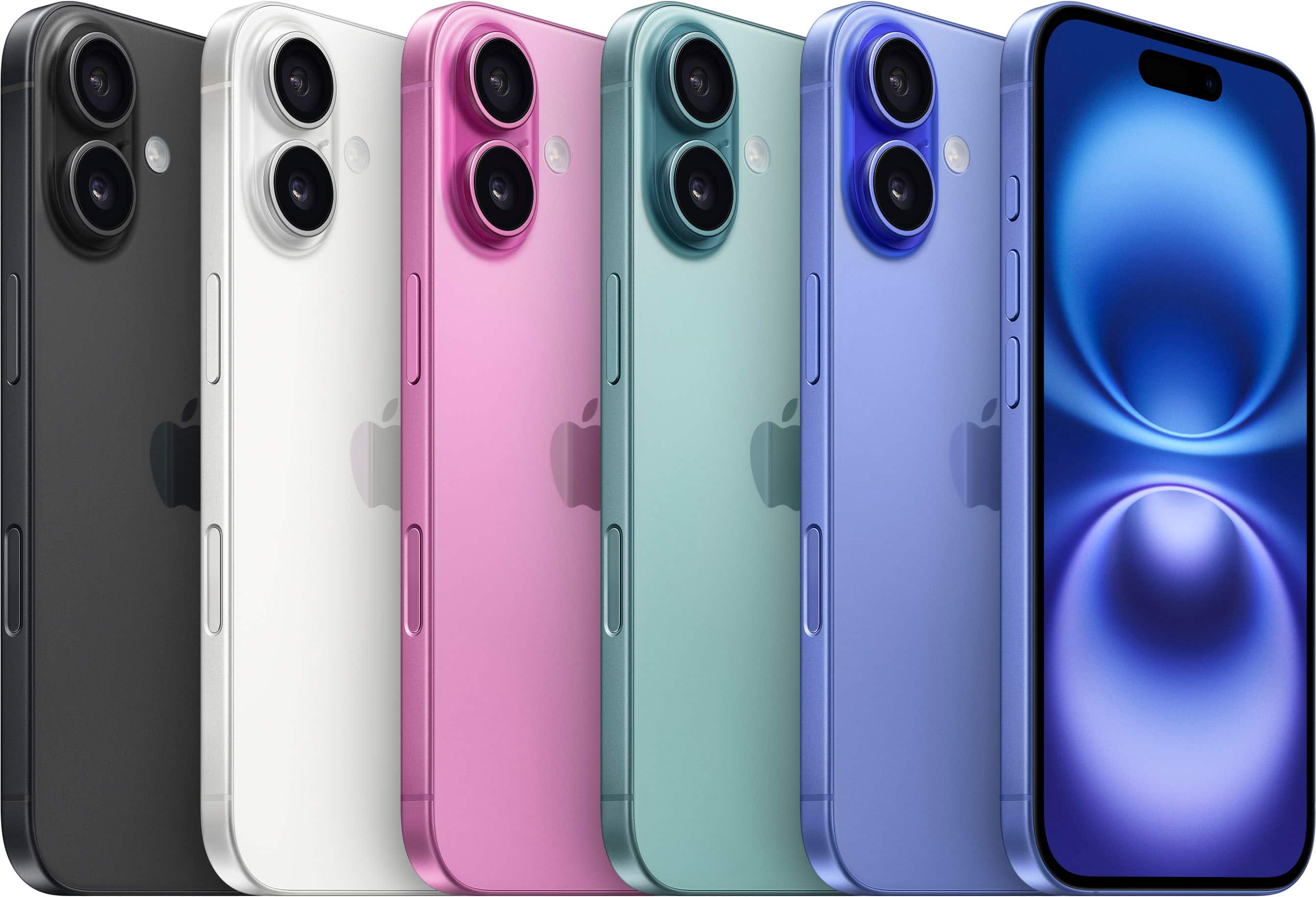
When Apple launched the iPhone XR in October 2018, critics questioned whether a lower-priced model with an LCD screen could succeed in a market pivoting rapidly toward OLED displays and thousand-dollar price tags. Priced at $749—significantly below its stablemates, the iPhone XS and XS Max—the device bridged the gap between premium performance and financial accessibility. Rather than fading into obscurity as a budget compromise, it became a massive commercial triumph, fundamentally altering how manufacturers price, segment, and market their flagship lineups.
Understanding why this model reshaped the mobile industry requires looking past surface-level specifications to examine its market positioning, hardware strategy, and long-term legacy. While competitors initially chased ultra-expensive form factors, Apple demonstrated that performance parity paired with strategic cost-downs could capture mainstream volume. This analysis breaks down the design choices, consumer reception, and enduring impact of Apple's most influential value flagship.
The Strategy Behind the Affordable Flagship
In 2018, the smartphone industry faced a looming ceiling: prices were climbing past $1,000, and consumer upgrade cycles were lengthening. Apple needed a device that offered the modern aesthetic of the iPhone X without demanding a prohibitive financial commitment. The iPhone XR answered this challenge by adopting a specific philosophy: retain the core processing engine and primary user experience while trimming costs on peripheral hardware.
Apple equipped the XR with the exact same A12 Bionic chip found in the high-end XS series. This meant buyers didn't sacrifice processing speed, machine learning capabilities through the Neural Engine, or software longevity. By keeping the computational core identical, Apple ensured that the cheaper phone handled demanding tasks, games, and multi-year software updates just as capably as its more expensive siblings.
Hardware Compromises and Smart Cost-Downs
To hit the $749 starting price, Apple made calculated hardware concessions that modern phone buyers now recognize as standard industry playbook tactics:
- Display Technology: Apple utilized an IPS LCD panel branded as "Liquid Retina" instead of the custom OLED panels used on the iPhone XS. While it lacked deep OLED blacks, it featured advanced pixel masking and high color accuracy.
- Chassis Material: The polished stainless-steel frame of the iPhone X and XS was replaced with a matte anodized 7000-series aluminum band, reducing production costs while improving drop-resistance resilience.
- Single Rear Camera: Instead of a dual-lens telephoto array, the XR relied on a single 12-megapixel wide camera, using software algorithms to generate portrait mode bokeh effects.
- Color Variety: Moving away from the muted professional tones of traditional flagships, Apple introduced vibrant finishes including yellow, blue, coral, and red, targeting a younger, lifestyle-oriented consumer base.
These choices created a balanced device that appealed directly to users holding onto older hardware like the iPhone 7 or 6s. Rather than feeling cheap, it felt intentionally designed for everyday practicality.
Market Reception and Sales Dominance
Industry analysts initially debated whether production cuts reported during the winter of 2018 signaled a failure. However, quarterly sales data quickly painted a different picture. By early 2019, the device established itself as Apple's top-selling model in the United States, eventually capturing the crown as the best-selling smartphone globally in Q3 2019.
According to market research from firms like Counterpoint Research, the XR succeeded by driving two critical streams of adoption: aggressive upgrades from older iOS devices and high conversion rates among Android users, particularly those migrating from Samsung's mid-range and flagship lines.
| Metric / Feature | iPhone XS | iPhone XR |
|---|---|---|
| Launch Price | $999 | $749 |
| Display Type | 5.8-inch OLED | 6.1-inch LCD |
| Frame Material | Stainless Steel | Aluminum |
| Rear Camera | Dual 12MP (Wide + Telephoto) | Single 12MP Wide |
| Global Sales Impact | Niche premium volume | Best-selling global smartphone (Q3 2019) |
The phone's exceptional battery life also played a pivotal role in its reception. Because the LCD panel consumed less power relative to early OLED implementations when rendering bright interfaces, and because the physical chassis accommodated a dense battery pack, the XR frequently outperformed its more expensive counterparts in endurance tests.
Long-Term Impact on the Smartphone Industry
The success of Apple's value flagship permanently altered how competitors structured their product portfolios. Before 2018, companies often assumed consumers wanted either a full-priced flagship or a heavily compromised budget device with weak processors. The XR proved there was a massive appetite for "compromise-free performance" wrapped in accessible hardware.
Following this shift, brands across the globe restructured their release pipelines. Samsung expanded its Fan Edition (FE) lineup, Google doubled down on its 'a-series' Pixel phones, and OnePlus leaned heavily into affordable flagship killers. Manufacturers realized that consumers gladly accept minor tradeoffs in display panels or chassis finish as long as processing power, core camera quality, and ecosystem longevity remain uncompromised.
Furthermore, the device extended Apple's software support lifecycle footprint. Because the A12 Bionic chip possessed immense processing headroom, the phone remained fully updated across numerous major iOS iterations, proving durable enough to stay active in secondary markets years after discontinuation. You can review official lifecycle frameworks and hardware support guidelines directly on the Apple Support portal.
Frequently Asked Questions
Why did the iPhone XR become more popular than the iPhone XS?
The primary driver was price. At a $250 discount compared to the base iPhone XS, the XR offered identical processing performance via the A12 Bionic chip, longer battery life, and a wider variety of colors, making it a much more compelling value proposition for mainstream buyers.
Did the LCD screen hinder the device's daily usability?
While the Liquid Retina LCD screen featured a lower pixel density than OLED competitors, its advanced sub-pixel anti-aliasing and color calibration made it one of the sharpest LCD panels ever placed in a mobile device. Most everyday users found the visual difference negligible during normal tasks.
How long did Apple support the iPhone XR with software updates?
The device launched with iOS 12 and received continuous updates for many years, maintaining robust security and third-party app compatibility long after Apple officially retired the model from its primary retail lineup.
What lessons did competitors learn from the XR's release?
rival manufacturers realized that consumers prioritize processor performance and battery life over premium exterior materials. This insight directly inspired the rise of dedicated mid-tier flagship alternatives across the entire mobile industry.



