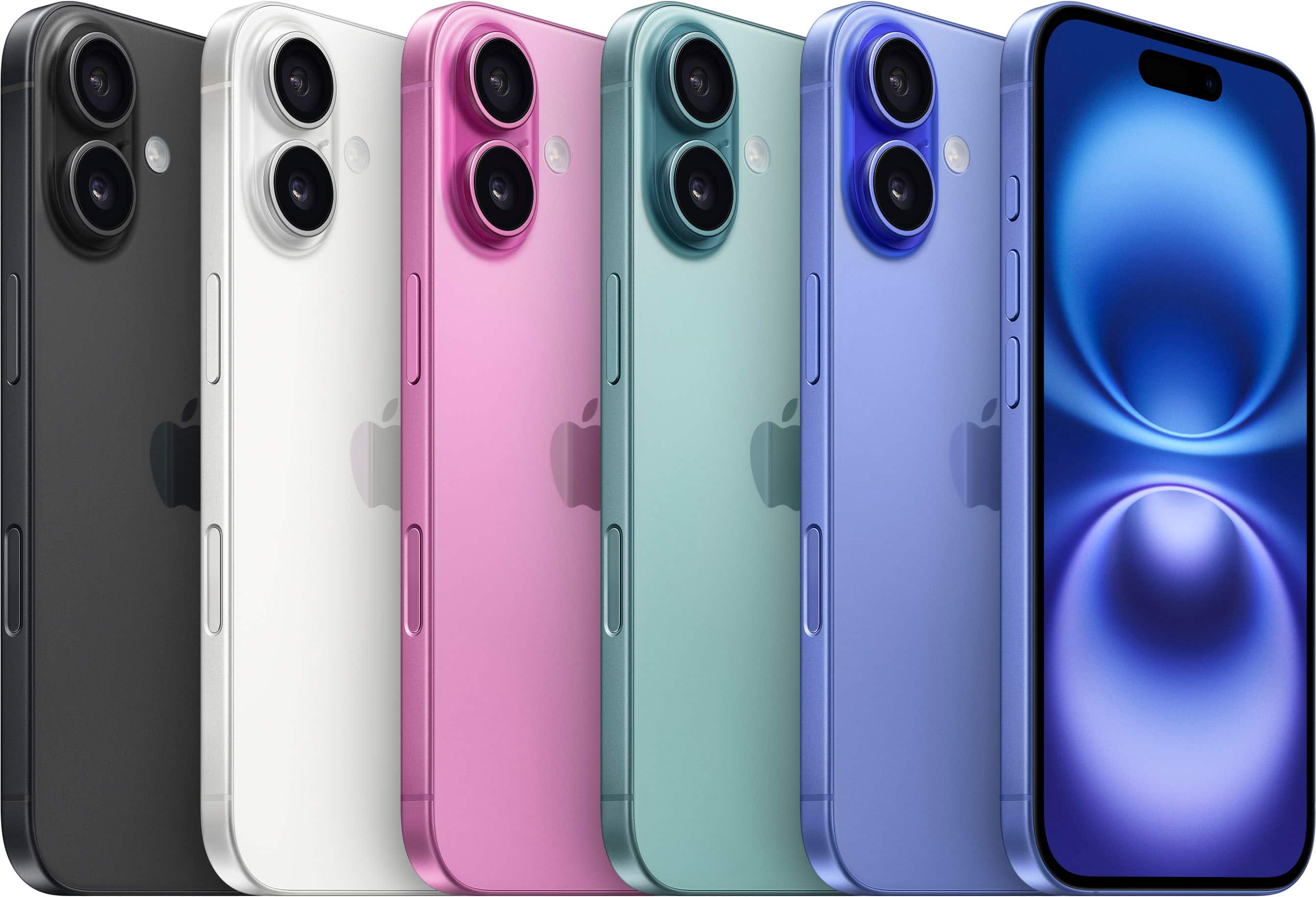
The fourth-generation iPhone SE breaks away from the vintage design language of past budget models, adopting a modern all-screen look and hardware capable of running advanced AI workloads. For budget-conscious buyers and security-focused mobile users, this transition brings significant changes to device architecture, biometric authentication, and local data protection.
Supply chain leaks and industry analyst reports point toward a complete overhaul that replaces the home button with Face ID, swaps LCD for OLED, and integrates modern silicon. We will look at what these hardware shifts mean for everyday usability, processing power, and mobile privacy.
Redesigning the Entry-Tier: Display and Body
The previous iPhone SE models relied on the aging chassis of the iPhone 8, complete with thick bezels and a 4.7-inch LCD panel. The fourth-generation iteration adopts a modern layout closely modeled after the base iPhone 14.
You get a larger 6.06-inch OLED display that delivers sharper contrast, deeper blacks, and significantly higher brightness than any previous SE iteration. This shift also means Touch ID is gone, replaced entirely by a notch-housing TrueDepth camera array that supports Face ID.
The body incorporates flat aluminum edges and standard glass backing, bringing a uniform feel across Apple's standard product lineup. Alongside the display change, the proprietary Lightning port is replaced by a universal USB-C port, complying with regulatory standards and matching modern accessory ecosystems.
Hardware Powerhouse: A18 Chip and RAM Requirements
Budget iPhones historically used hand-me-down processors from previous generations. This model breaks that trend by housing the A18 chip paired with 8GB of RAM.
That hardware configuration is not arbitrary. Apple requires a minimum of 8GB of unified memory and specific neural engine capabilities to run Apple Intelligence features locally on the device. By equipping the budget tier with this processor, Apple ensures that entry-level users can access AI-driven writing tools, smart summarization, and Siri upgrades without buying a flagship phone.
The custom A18 chip also brings hardware-level efficiency improvements, keeping power consumption low despite the larger screen. Battery capacity is expected to sit around 3,279 mAh, aligning closely with the iPhone 14 footprint.
Security Architecture and Privacy Implications
Hardware upgrades directly impact how user data is isolated, encrypted, and protected against modern mobile threats. Shifting from Touch ID to Face ID introduces advanced biometric mapping via the TrueDepth camera, backed by the Secure Enclave processor.
Hardware-Level Isolation
The Secure Enclave operates as a dedicated security subsystem isolated from the main application processor. Biometric facial data is encrypted, stored locally on the device chip, and never uploaded to cloud servers or accessible by third-party applications.
Local AI Processing
With Apple Intelligence integration, privacy is preserved through a combination of on-device processing and Private Cloud Compute. Because the A18 chip handles the bulk of machine learning tasks locally, your personal data doesn't leave the phone for routine queries. When requests require cloud resources, Apple routes them through privacy-focused server nodes running verifiable code that strips identifying user data.
Anti-Theft and Device Protection
Running modern versions of iOS grants access to robust anti-theft protections, such as Stolen Device Protection. This feature requires biometric verification (Face ID) in addition to your passcode when attempting sensitive actions outside familiar locations, preventing unauthorized account changes if your phone is stolen. You can review Apple Platform Security for deeper documentation on hardware-level encryption standards.
Expected Pricing and Release Window
Price adjustments accompany these major component upgrades. While older SE models targeted a strict sub-$430 price point, industry consensus places the expected starting price for the fourth-generation model between $499 and $549. Even with this slight bump, it remains the most affordable entry point into Apple's current software and AI ecosystem. For further details on mobile device security guidelines, check the CISA Cybersecurity Guidance.
Frequently Asked Questions
Will the iPhone SE 4 support wireless charging?
Yes, the device supports standard Qi wireless charging, and leaks suggest potential compatibility with MagSafe accessories for magnetic alignment and faster wireless power transfer.
Does the device still feature a headphone jack?
No. Following the industry-wide transition away from legacy audio ports, wired headphones require a USB-C adapter or wireless Bluetooth connection.
Can older cases from the iPhone SE 3 fit the new model?
No. Because the fourth-generation model scales up to a 6.06-inch display and adopts a flat-edge chassis design, physical dimensions no longer match the iPhone 8 or iPhone SE 3 bodies.
Is biometric authentication mandatory?
While you can choose to secure your device with a numeric passcode instead of Face ID, setting up a secure passcode is mandatory during initial setup to enable device encryption and protect stored data.



