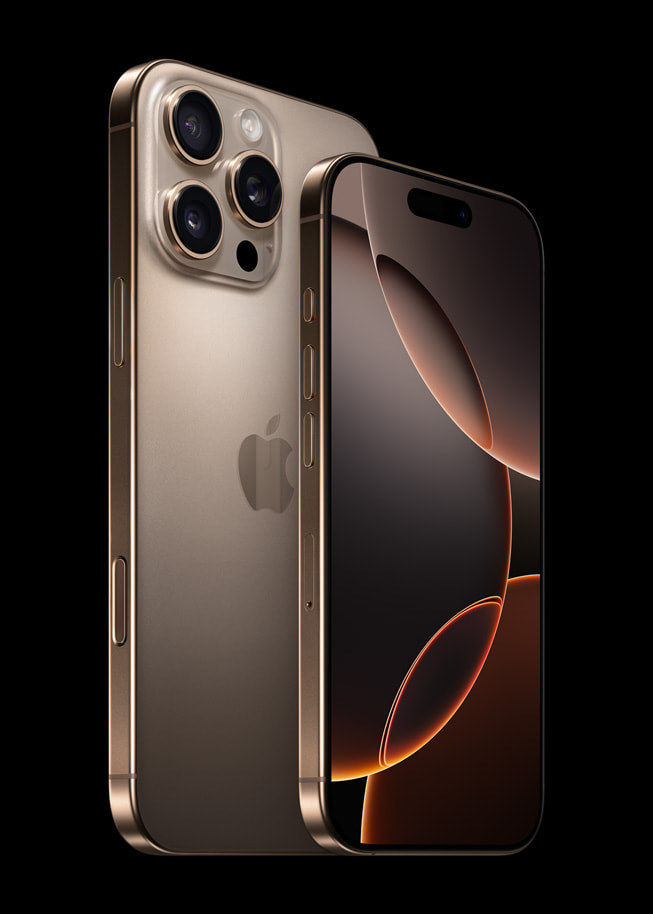
The iPhone SE 2025 marks a major shift for Apple's budget-friendly phone line. For years, the SE series relied on old bodies with updated internal hardware. Buyers finally get a modern smartphone design, ditching the outdated home button for a full-screen look.
Industry leaks and supply chain reports point to a major overhaul. If you're thinking about upgrading, understanding what's coming helps you decide whether to wait or buy an existing model. Let's break down the design changes, expected hardware, pricing, and common misconceptions.
Design and Display Upgrades
The biggest complaint about past budget models was their tiny screens and thick bezels. Apple is shifting the lineup to match a chassis similar to standard modern models.
- No More Home Button: Touch ID is out, and Face ID takes its place inside a notched or updated display cutout.
- OLED Panel: The old LCD panels are being replaced by an OLED screen, giving you deeper blacks and sharper contrast ratios.
- Larger Footprint: Expect a screen size around 6 inches, moving away from the 4.7-inch build of previous generations.
Switching to an all-screen format brings the budget tier in line with current Apple design standards. You'll get more workspace for reading, streaming, and daily tasks without paying flagship prices.
Performance and Processing Power
Budget phones often compromise on speed, but Apple usually equips its affordable line with powerful silicon. Rumors suggest the device will feature the modern A-series chip architecture.
Paired with increased memory capacity, this hardware ensures the phone handles intensive apps smoothly. More importantly, extra RAM is required to support modern software features and on-device processing capabilities.
You won't experience the stuttering common in low-end Android competitors. Multitasking between navigation, messaging, and heavy browsing will feel fluid.
Camera Improvements and Connectivity
Photography on previous affordable models was limited by single 12-megapixel sensors. The new generation addresses this bottleneck directly.
- Upgraded Rear Camera: Leaks point to a single 48-megapixel main camera sensor, letting you capture sharper photos with better low-light performance.
- USB-C Port: Apple is dropping the aging Lightning connector in favor of standard USB-C, matching EU regulations and the rest of the product family.
- Custom 5G Modem: Reports indicate Apple may debut its own in-house designed modem chip, reducing reliance on third-party hardware suppliers.
These updates eliminate the minor annoyances that made older budget models feel dated. Charging with the same cable you use for your laptop or tablet makes traveling much simpler.
Expected Pricing and Value Proposition
Price has always driven the success of this product line. Past iterations started around $429, but manufacturing a modern chassis with an OLED screen and updated chips will likely bump costs slightly.
Most analysts expect a starting price between $499 and $549. Even at a slightly higher price point, getting a modern processor, face recognition, and a high-resolution display under $600 represents solid value compared to thousand-dollar flagships.
You can check official announcements and current hardware lineups directly through MacRumors for real-time tracking as retail availability approaches.
Common Mistakes When Buying a Budget Phone
Buyers often make specific errors when shopping for mid-tier devices. Avoiding these mistakes saves you money and frustration.
- Ignoring Storage Tiers: Buying the base storage model without checking if your photo library exceeds local capacity causes constant cloud storage subscription fees. Think about your app usage before choosing the entry-level configuration.
- Expecting Flagship Perks: Don't expect triple-lens camera arrays or advanced telephoto zoom. This device focuses on core performance, not pro-grade photography hardware.
- Overlooking Case Compatibility: Because the physical dimensions match older mainline models rather than past SE editions, your old cases won't fit. Factor a new case into your initial purchase budget.
Frequently Asked Questions
Will the new budget model support wireless charging?
Yes, standard Qi wireless charging is expected to be supported, though high-end magnetic alignment features like MagSafe might be omitted to keep manufacturing costs down.
How long will software updates last?
Because the internal processor is powerful and modern, you can expect five to seven years of regular iOS software updates and security patches.
Is it worth upgrading from the 2022 version?
If you care about a larger screen, better battery life, modern biometric security, and a sharper camera, upgrading offers a massive day-to-day improvement. If you prefer a tiny phone that fits easily in one hand, you might want to keep your current device.
Will cellular carriers offer trade-in deals?
Major telecom providers frequently run aggressive promotion deals, often letting you trade in an older phone to get the new budget device for little to no monthly cost over a two-year contract.



