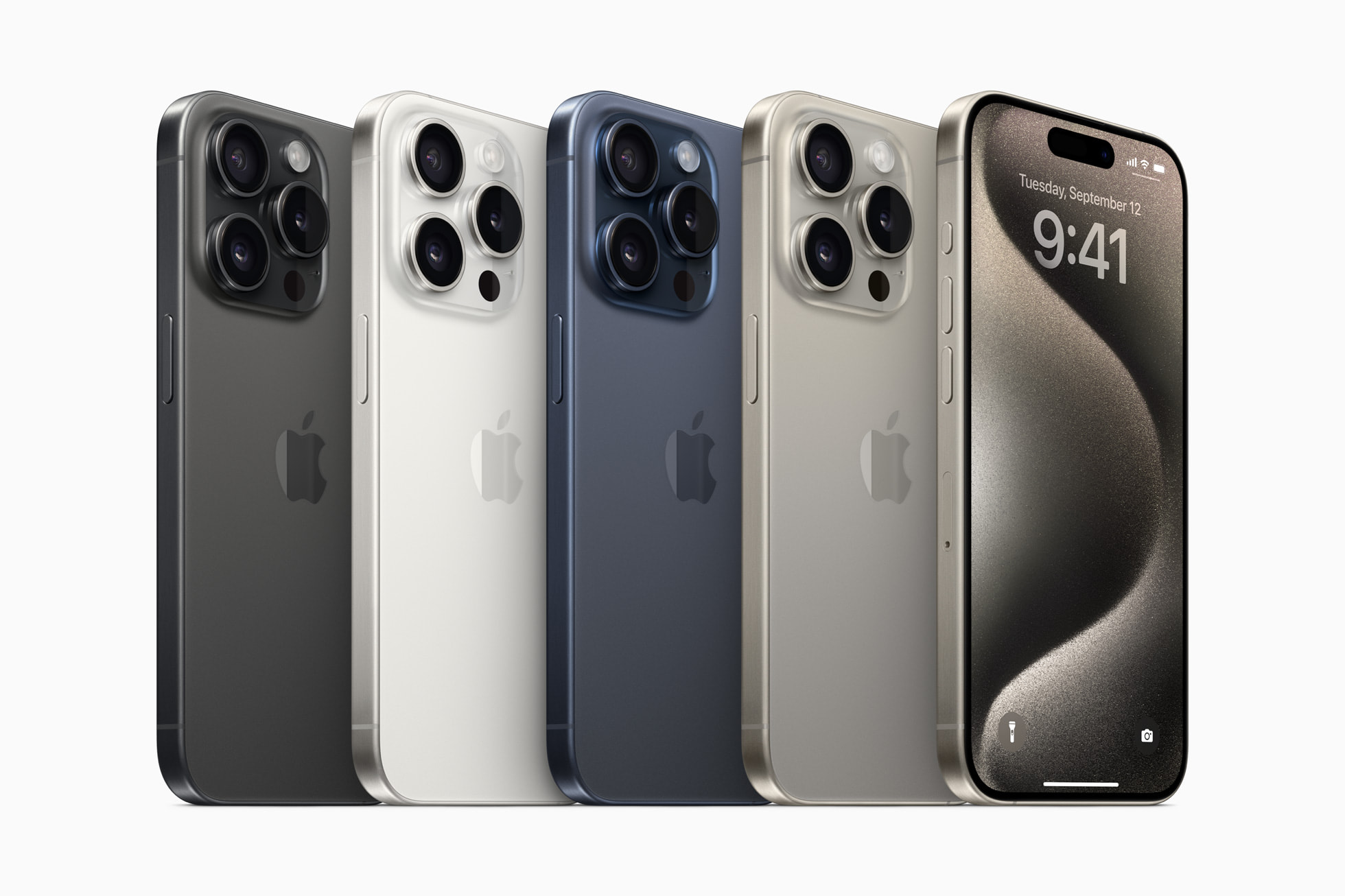
When you hold an iPhone, you aren't holding something built in a single factory or a single country. Apple designs its hardware in California, but the actual creation of the device relies on a massive network spanning more than forty countries. Raw elements, precision silicon, glass tech, and massive final assembly plants are distributed across continents to turn a design blueprint into the device in your pocket.
Understanding how this global logistics machine operates requires looking past simple labels on retail boxes. While final assembly historically happened almost entirely in China, shifts in recent years mean your device might have been put together in India or elsewhere, utilizing microchips from Taiwan and sensors from Japan. Here's how the entire global supply chain actually breaks down.
The Design and Architecture Roots: United States
Everything starts at Apple Park in Cupertino, California. Software engineering, industrial design, hardware prototyping, and overall product management happen here.
Beyond conceptual design, the United States contributes heavily to specific hardware components and proprietary materials:
- Glass Technology: The Ceramic Shield used on modern iPhone displays is a glass-ceramic hybrid co-developed with Corning. It's manufactured at Corning's specialized facility in Harrodsburg, Kentucky.
- Audio and Connectivity Chips: Core audio processing chips and specific wireless management components are designed or supplied by American firms like Cirrus Logic and Broadcom.
- IP and Software: The core intellectual property, iOS development, and custom silicon architecture originate in the US, even though physical production happens overseas.
The Silicon Brain: Taiwan
If California provides the blueprint, Taiwan provides the raw computing power. The heart of every modern iPhone is its A-series or M-series system-on-chip (SoC).
Taiwan Semiconductor Manufacturing Company (TSMC), based in Hsinchu, holds an exclusive contract to manufacture Apple's custom processors. Using advanced lithography nodes, TSMC fabs turn silicon wafers into the dense, energy-efficient processors that power machine learning, graphics rendering, and everyday app execution on your phone. Without Taiwanese semiconductor fabrication infrastructure, Apple's hardware lineup cannot function.
Precision Sensors and Display Panels: Japan and South Korea
The display you look at and the camera you use rely entirely on East Asian manufacturing powerhouses.
Japan is home to Sony, which supplies the vast majority of image sensors for iPhone cameras. These sensors capture depth data, light, and color macros. Japan also contributes specialized memory components and passive electronic elements.
South Korea handles a major portion of visual output technology. Both Samsung Display and LG Display manufacture the OLED panels used across the iPhone lineup. Ironically, while Samsung competes fiercely with Apple in the consumer smartphone market, its manufacturing divisions remain deeply integrated partners for display panels and memory chips.
Core Components Across Europe
Several European nations contribute niche engineering components that keep the device functioning smoothly:
- Germany: Bosch Sensortec provides accelerometers used for motion sensing, orientation tracking, and step counting.
- Switzerland and France: STMicroelectronics manufactures gyroscopes and power management integrated circuits, ensuring clean power delivery across internal logic boards.
- The Netherlands: NXP Semiconductors handles secure elements used for features like Apple Pay and near-field communication (NFC) protocols.
Final Assembly Hubs: China, India, and Beyond
Once all these components—numbering in the hundreds—are shipped to central hubs, they reach final assembly lines. Contract manufacturers like Foxconn and Pegatron manage these massive facilities.
China
China remains the anchor of Apple's manufacturing network. The Foxconn complex in Zhengzhou—often called "iPhone City"—spans square miles and employs hundreds of thousands of workers during peak production cycles. Alongside Foxconn, Chinese suppliers like Luxshare and various battery makers (such as Amperex Technology Limited) handle both component creation and final assembly.
India
In recent years, Apple has diversified its assembly footprint significantly. Facilities in southern India now produce a substantial percentage of global iPhone volume, ranging from baseline models to newer flagship iterations. This shift helps Apple mitigate geopolitical risks and tap into local market incentives.
How to Check Where Your iPhone Was Assembled
If you want to know the exact origin point of the specific device in your hand, you don't have to guess. Apple prints regional indicators directly on retail packaging and within device software settings.
- Check the Retail Box: Flip your original iPhone box over. Look at the fine print near the bottom barcodes. It will explicitly state phrases like "Assembled in China" or "Assembled in India".
- Check Your Model Number: Go to Settings > General > About and look at your Model Number string. The letters right before the slash tell you the original target distribution region (for example, CH/A denotes China, HN/A denotes India, J/A denotes Japan).
Keep in mind that regardless of whether your phone was put together in Zhengzhou or Tamil Nadu, the internal components underwent the exact same global supply chain journey and stringent quality assurance checks.
Frequently Asked Questions
Are iPhones made entirely in China?
No. While China handles a massive share of final assembly and housing manufacturing, the core components inside come from over forty countries. The chips come from Taiwan, screens from South Korea, cameras from Japan, and glass from the United States.
Why doesn't Apple manufacture iPhones in the United States?
While Apple does produce certain specialized items domestically—such as Corning's glass in Kentucky—scaling full iPhone assembly in the US is limited by supply chain density. Asia houses an interconnected ecosystem of component suppliers, skilled labor pools, and rapid logistics networks that can ramp up production for millions of units in weeks, an infrastructure that is difficult to replicate elsewhere.
Does an iPhone assembled in India have lower quality than one from China?
No. Apple enforces uniform manufacturing standards, automated testing protocols, and quality control metrics globally. An iPhone assembled in India uses the same automated machinery and component specs as one built in China.
Which company actually builds the iPhone processors?
Apple designs the silicon architecture in California, but physical fabrication is outsourced entirely to TSMC in Taiwan. Apple is typically TSMC's largest single customer, consuming a massive share of their advanced node capacity.



