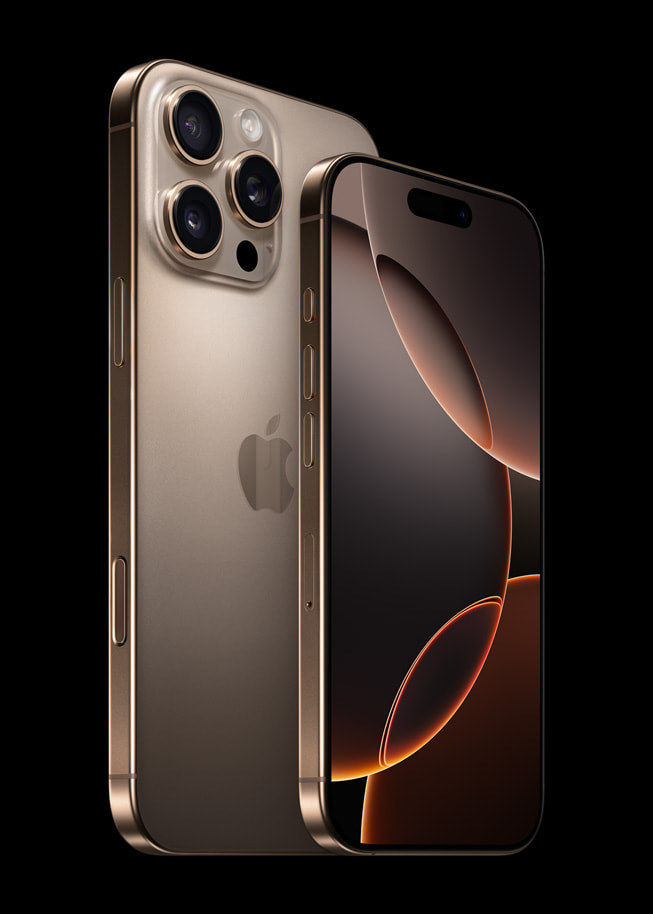
The iPhone 9 release date is a date that never actually happened. When Apple skipped the number nine entirely in 2017, it sparked years of persistent internet rumors, enthusiast speculation, and confusion over product naming conventions. If you search for when the device dropped, you will find conflicting accounts, leaked timelines from tech bloggers, and theories about why the device was left off the official lineup.
The reality is straightforward: Apple intentionally bypassed the ninth iteration. Instead of releasing an incremental update following the iPhone 8, the company jumped straight to the iPhone X to celebrate a major corporate milestone. Understanding why this happened requires looking past the clickbait rumors and examining how Apple manages its product pipeline, branding strategy, and hardware milestones.
The Origin of the iPhone 9 Rumors
Long before consumer tech blogs began tracking supply chain leaks, rumor mills operated on a simple pattern. Apple released the iPhone 7 in 2016, followed by the iPhone 8 in 2017. Logic dictated that an iPhone 9 would arrive the following year. When September 2018 rolled around, Apple announced the iPhone XS, XR, and XS Max instead.
This break in tradition caused an immediate surge of speculation. Rumor sites claimed that Apple had delayed the device, faced manufacturing bottlenecks, or saved the moniker for a future budget-friendly handset. Year after year, independent analysts resurrected the narrative. Whenever Apple prepared a lower-cost device, such as the second-generation iPhone SE in April 2020, leak forums labeled it the long-awaited iPhone 9.
These rumors persisted because consumers expect sequential numbering in consumer electronics. Companies like Samsung and various Android manufacturers used numerical patterns reliably for years. Apple, however, treats product names as marketing statements rather than inventory counts. The persistent chatter about a missing release date highlights how much weight consumers place on a predictable numerical sequence.
Why Apple Skipped the Number Nine
Apple did not forget how to count. The decision to skip the number nine was a deliberate marketing and structural choice tied to three distinct factors.
First, 2017 marked the tenth anniversary of the original iPhone. Steve Jobs unveiled the first iPhone in January 2007, changing the trajectory of personal technology. By 2017, Apple executives wanted a product name that reflected a decade of market dominance. Calling the anniversary device an iPhone 9 would have felt routine, undermining the magnitude of a ten-year milestone.
Second, the hardware inside the device demanded a branding break. The iPhone X introduced an edge-to-edge OLED display, removed the physical home button, and debuted Face ID. It was the most radical visual and functional redesign since the iPhone 4. Grouping this monumental shift under a standard sequential number would have failed to communicate its generational leap.
Third, marketing psychology favored the Roman numeral X. Pronounced "ten," the letter carried cultural weight, representing mystery, future technology, and premium engineering. It also neatly sidestepped potential market friction in regions where certain numbers carry superstitions. By naming the device the iPhone X alongside the concurrent release of the iPhone 8 and 8 Plus, Apple clearly separated its traditional designs from its futuristic vision.
You can read more about Apple's hardware milestones on the Apple Newsroom.
What Replaced the Expected iPhone 9
Because Apple abandoned the sequence, the slot where a traditional ninth-generation phone would have sat was filled by alternative devices. Understanding what actually shipped clarifies why the rumors never materialized into a physical product.
- The iPhone 8 and 8 Plus: Released simultaneously with the iPhone X in September 2017, these phones inherited the classic form factor with glass backs and wireless charging.
- The iPhone SE (Second Generation): Launched in April 2020, this device used the 4.7-inch iPhone 8 chassis combined with the powerful A13 Bionic chip. Many retail outlets and secondary markets informally referred to it as the "iPhone 9" due to its physical similarity.
- The iPhone XR: Released in 2018 as a more accessible entry point to the modern face-ID design language, capturing the mid-tier market share that a budget-tier numeric model might have occupied.
None of these devices carried the official designation. Apple effectively retired the single-digit numerical progression for flagship hardware, moving instead toward descriptive suffixes like Pro, Max, Air, and Plus.
Common Misconceptions About Unreleased Apple Hardware
The tech community frequently misinterprets supply chain data, leading to flawed predictions about unreleased hardware. Recognizing these errors helps separate marketing reality from fiction.
- Assuming leaks equal official plans: Component orders from overseas manufacturing partners often test prototypes that never reach mass production. A leaked schematic for a device labeled "N94" or similar internal codenames frequently gets misinterpreted by bloggers as an upcoming retail model.
- Confusing internal codenames with retail names: Apple engineers use internal project identifiers that include numbers. Tech analysts sometimes mistake these internal project numbers for consumer-facing product names.
- Expecting historical patterns to repeat indefinitely: Tech companies pivot strategies when market conditions change. Assuming Apple must follow a rigid numbering scheme ignores how consumer preferences evolve.
For a broader perspective on technology trends and device lifecycles, consult resources like The Verge.
Frequently Asked Questions
Was there ever an official prototype of the iPhone 9?
Apple builds numerous internal prototypes for every product cycle, testing various form factors, chipsets, and screen sizes. While engineers likely evaluated designs that could have carried a nine designation, Apple never finalized, manufactured, or scheduled a retail product under that specific name.
What is the closest real phone to what an iPhone 9 would have been?
The second-generation iPhone SE, released in April 2020, serves as the spiritual successor. It maintained the traditional 4.7-inch form factor, physical Touch ID sensor, and lower price point that consumers expected from a minor numerical update between major design cycles.
Why do people still search for an iPhone 9 release date?
Search volume persists due to old forum threads, automated SEO content farms recycling rumors, and users trying to map out historical gaps in Apple's device lineup. Because consumer electronics usually follow strict numerical order, the missing number continues to draw curious queries.
Will Apple ever release an iPhone 9 in the future?
It is virtually impossible. Apple's current naming convention uses year-based markers, descriptive tiers like Pro and Plus, and sequential tracking well past single digits. Reverting backward to a skipped integer would cause severe consumer confusion.



