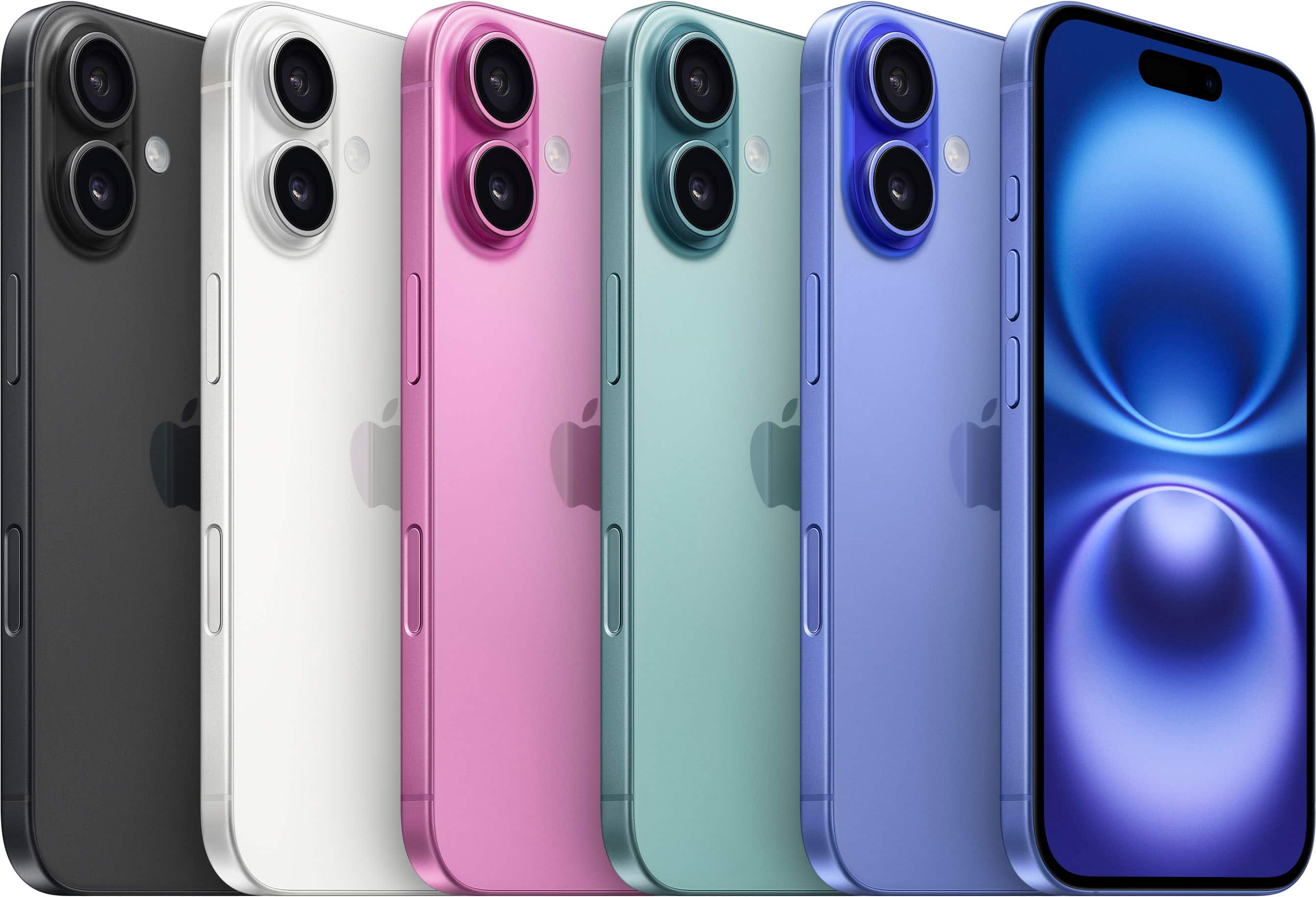
The iPhone 6 release in September 2014 changed the trajectory of the mobile industry by abandoning a seven-year commitment to compact screens. For years, Apple insisted that 3.5 inches was the optimal size for a phone you could operate with one hand. When the company rolled out a 4.7-inch model alongside the 5.5-inch Plus, it acknowledged a shift in consumer habits toward media consumption, mobile gaming, and constant web browsing. This pivot didn't just expand screen real estate; it set a new industrial design standard that every major competitor rushed to copy.
Beneath the larger glass panel, the device introduced a drastic structural overhaul. Apple replaced the flat-edged, glass-and-aluminum sandwich of the iPhone 5s with a curved aluminum unibody that tapered seamlessly into the front glass. Measuring just 6.9 mm thick, the phone felt startlingly thin in the hand, though its slippery metallic shell and protruding camera lens sparked immediate user debate. By examining how this hardware transition altered pocket ergonomics, manufacturing techniques, and consumer expectations, we can see why this launch remains a watershed moment in consumer electronics.
Moving Beyond One-Handed Constraints
For the first four generations of the iPhone, Steve Jobs and Apple's design team argued that phones needed to fit comfortably within the span of a human thumb. Competitors like Samsung pushed into larger screen territory with devices like the Galaxy Note, earning early ridicule from tech commentators before proving that consumers actually wanted pocket-sized tablets.
By 2014, market pressure and changing usage data forced Apple's hand. Users weren't just making phone calls and checking text messages; they were streaming YouTube videos, reading long-form articles, and playing complex games.
- The Ergonomic Challenge: Enlarging the display without making the device feel like a brick required thinning the chassis to 6.9 mm.
- The Radius Curve: Apple introduced continuous curved edges to trick the hand into perceiving a much thinner profile than a flat slab would allow.
- Reachability: To combat the reachability problem on a taller screen, Apple built in "Reachability"—double-tapping the Touch ID sensor dropped the top half of the screen down to thumb level.
Hardware Engineering and Internal Architecture
The physical enlargement demanded a complete redesign of internal components. Apple paired the new chassis with the custom 64-bit Apple A8 processor and the M8 motion coprocessor, which tracked fitness data via an improved accelerometer and gyroscope.
Manufacturing a unibody aluminum shell thin enough to house these components required precision CNC milling. However, wrapping metal entirely around the chassis created radio frequency interference for cellular and Wi-Fi signals. Apple solved this by embedding prominent plastic antenna bands across the back casing. While functional, these aesthetic interruptions drew sharp criticism from design purists who preferred the clean glass panels of the iPhone 4 and 5 generations.
Another notable hardware shift involved the display itself. Apple introduced "Retina HD," pushing the resolution to 1334 x 750 on the standard model and 1920 x 1080 on the Plus. Using dual-domain pixels for wider viewing angles and improved polarizers, the screen maintained deep contrast levels even under direct sunlight, outperforming many contemporary Android flagships.
Market Impact and Record-Breaking Sales
Despite early grumbling from tech enthusiasts about the protruding camera ring and plastic antenna lines, public demand broke every previous record. Apple sold over 10 million units in the first three weekend days alone, proving that consumers had been hungry for a larger Apple device for years.
The launch triggered a massive upgrade super-cycle. Android manufacturers, who had spent years mocking Apple's rigid adherence to small screens, solidified their commitment to large aluminum slabs. Within two years, the industry settled on the 4.7-inch to 5.5-inch footprint as the default standard for mobile form factors. You can read more about Apple's historical device milestones on Apple Newsroom.
Common Design Mistakes and User Frustrations
While the iPhone 6 was a massive commercial success, the pursuit of extreme thinness introduced significant engineering compromises that owners quickly discovered.
- "Bendgate": The thin aluminum chassis lacked internal structural reinforcement near the volume buttons, causing units to warp or bend when carried in tight pants pockets. Apple quietly reinforced the housing in later production runs and with the stronger 7000-series aluminum on the subsequent iPhone 6s.
- Touch Disease: A design flaw in the logic board's touch controller chips caused screens to become unresponsive, accompanied by a flickering grey bar at the top of the display. This required widespread repair programs and class-action scrutiny.
- Camera Bump: For the first time, the camera module was too thick for the housing, forcing a slight bulge that caused the phone to wobble when laid flat on a table.
Frequently Asked Questions
Why did Apple wait so long to make a larger iPhone?
Apple prioritized one-handed usability and pocket ergonomics under Steve Jobs. Market data shifts toward media streaming and video consumption by 2014 finally forced a change in product strategy.
What was the main processor powering the iPhone 6?
The device ran on the second-generation 64-bit Apple A8 chip paired with the M8 motion coprocessor, delivering a noticeable boost in graphics rendering and battery efficiency.
Did the iPhone 6 feature Apple Pay?
Yes, it was the first iPhone to include an NFC chip paired with Touch ID, introducing contactless payments via Apple Pay to millions of retail stores.
How much RAM did the iPhone 6 include?
The device shipped with 1GB of LPDDR3 RAM, which was standard for Apple's memory management approach at the time, though it later contributed to shorter software support lifespans compared to later models.



