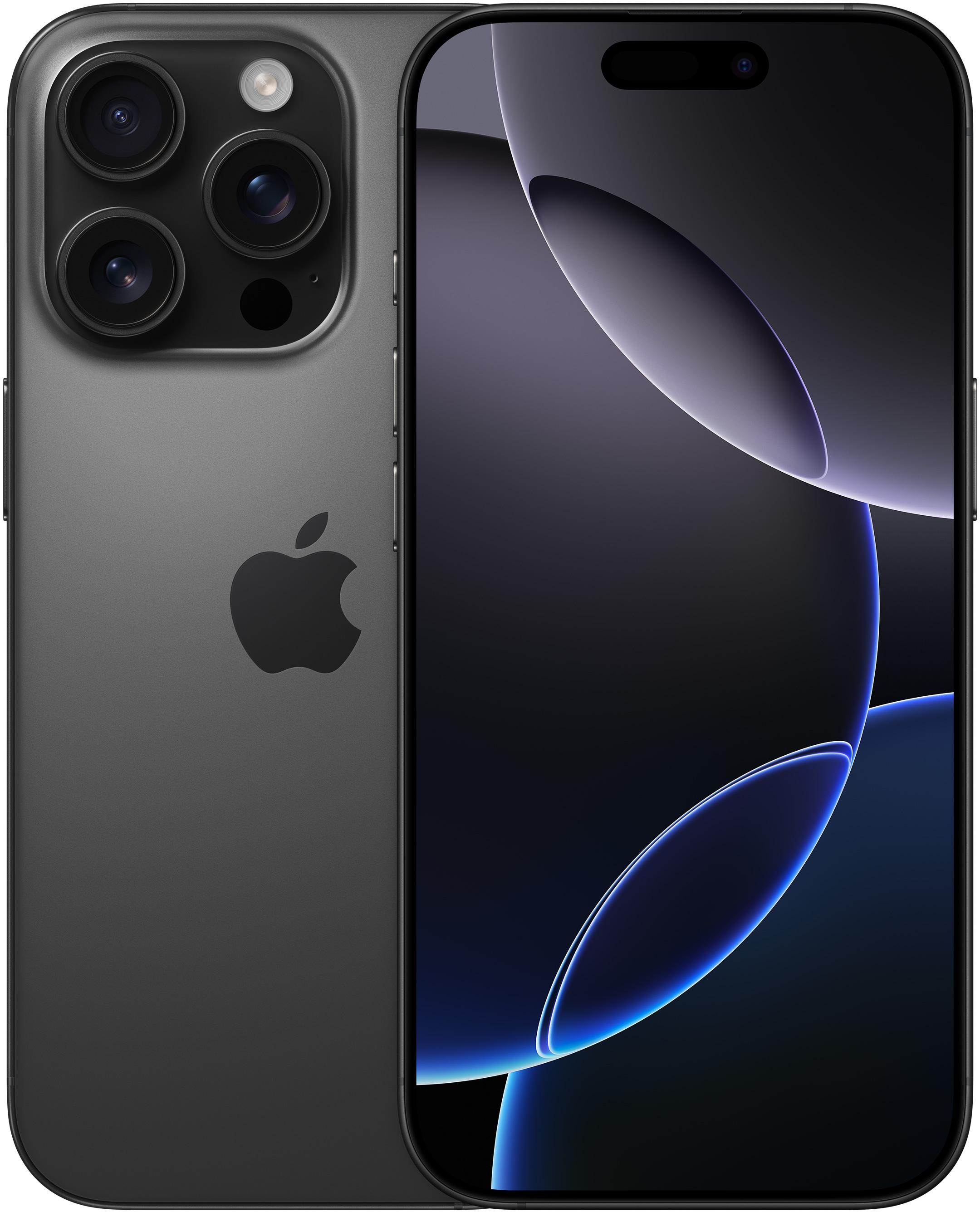
The iPhone 17 Air wireless future centers on Apple's shift toward portless smartphone designs and advanced short-range radio protocols. Rumors suggest this device drops physical ports entirely, relying on inductive charging and high-speed local data transfers instead. Users want to know how a port-free device handles daily power needs, data backups, and wired accessories. We're looking at a major shift in mobile hardware engineering.
Wireless charging speeds and ultra-wideband data transfer sit at the core of this hardware transition. Apple plans to push MagSafe charging to higher wattages while expanding Wi-Fi 7 and Bluetooth capabilities for device-to-device communication. You won't find a Lightning or USB-C port on the chassis. This design choice drops physical connection points to save interior space and improve water resistance ratings.
Understanding the Portless Design Shift
Moving away from physical connectors isn't entirely new territory for consumer electronics. Apple removed the headphone jack years ago, and eSIM adoption replaced physical SIM cards across many markets. The iPhone 17 Air takes this philosophy a step further by eliminating the charging port altogether.
Without a physical port, internal component placement changes dramatically. Engineers gain extra millimetres of space for larger batteries, vapor chamber cooling, or thinner chassis profiles. You get a sleek device that feels remarkably light in the hand. But it also means changing how you charge and sync your phone every single day. For another look on this event, refer to the recent update from The Verge.
Data transfer without cables used to mean slow Bluetooth file sharing or clunky cloud syncing. Now, modern hardware protocols bridge that gap. According to reports from Apple Newsroom, wireless data transfer speeds continue to climb, matching traditional USB-speed thresholds for everyday tasks like photo backups and software updates.
Charging Without Cables
Inductive charging pads and magnetic pucks form the primary power delivery mechanism for the iPhone 17 Air. You snap a MagSafe charger to the back of the phone before bed or place it on a desktop charging stand.
- Plug your wireless charging pad into a high-wattage wall adapter.
- Align the magnetic ring on the back of the iPhone 17 Air with the charger.
- Wait for the haptic confirmation and charging indicator on the OLED display.
Power efficiency remains a common concern for users switching exclusively to wireless charging. Qi2 and proprietary magnetic standards reduce energy loss during power transfer, but charging speeds rarely match top-tier wired fast chargers. You'll need to plan your charging habits around stationary desk time or bedside routines.
Connectivity Protocols and Data Syncing
AirDrop and iCloud handle the heavy lifting when physical cables vanish. Moving massive video files or entire device backups requires reliable local network speeds. Wi-Fi 7 integration allows for multi-link operation, meaning your phone can transmit data across multiple frequency bands simultaneously without dropping packets.
If your internet connection drops, local device-to-device transfers use direct Wi-Fi and Ultra Wideband (UWB) chips. You can tap your iPhone against an iPad or Mac to transfer a 4-gigabyte video file in seconds. It's fast, secure, and doesn't require a router or physical cable.
CarPlay also shifts entirely to wireless connections. Most modern vehicles already support wireless CarPlay, but older car audio systems relying on auxiliary cables or USB dongles require aftermarket Bluetooth adapters to interface with a portless phone.
Common Mistakes to Avoid
Switching to a completely portless phone can lead to frustrating moments if you don't adjust your accessories ahead of time.
- Relying on cheap, uncertified wireless charging pads that overheat and throttle power delivery.
- Forgetting to back up large media libraries to the cloud before traveling without stable Wi-Fi.
- Expecting old wired headphones to plug directly into the phone without buying digital adapters.
- Ignoring software update requirements that demand a stable wireless connection and at least fifty percent battery life.
Impact on Everyday Accessories
The accessory market faces a major adjustment cycle. Wired headphones, external microphones, and direct-plug flash drives won't work natively with the iPhone 17 Air. You'll need Bluetooth alternatives or wireless dongles.
Audio enthusiasts must embrace wireless earbuds like AirPods or use USB-C audio transmitters that connect via wireless receivers. Photographers using external SSDs for shooting direct-to-disk video must adopt wireless storage options or Wi-Fi-enabled card readers.
Major tech publications like The Verge track these hardware shifts closely, noting that accessory manufacturers are scrambling to release MFi-certified wireless hubs that bridge the gap for legacy gear.
Frequently Asked Questions
Can I charge the iPhone 17 Air with a standard cable?
No, the device features a completely solid chassis with zero physical ports. You must use wireless charging accessories or magnetic charging pucks to replenish the battery.
How do I restore my phone if it crashes completely?
Recovery modes on portless devices typically rely on wireless firmware recovery protocols via a nearby Mac or PC, or special diagnostic pads hidden inside the SIM tray cutout if one remains.
Do wireless charging pads damage the battery health?
Wireless charging generates more ambient heat than wired charging, which can accelerate battery degradation over long periods. Modern iOS software manages charging speeds overnight to mitigate this effect.
Will my old MagSafe chargers work with the new phone?
Yes, older MagSafe chargers are magnetically and electrically compatible, though charging speeds depend on the wattage of your power brick and the specific charging standard supported by the new model.



