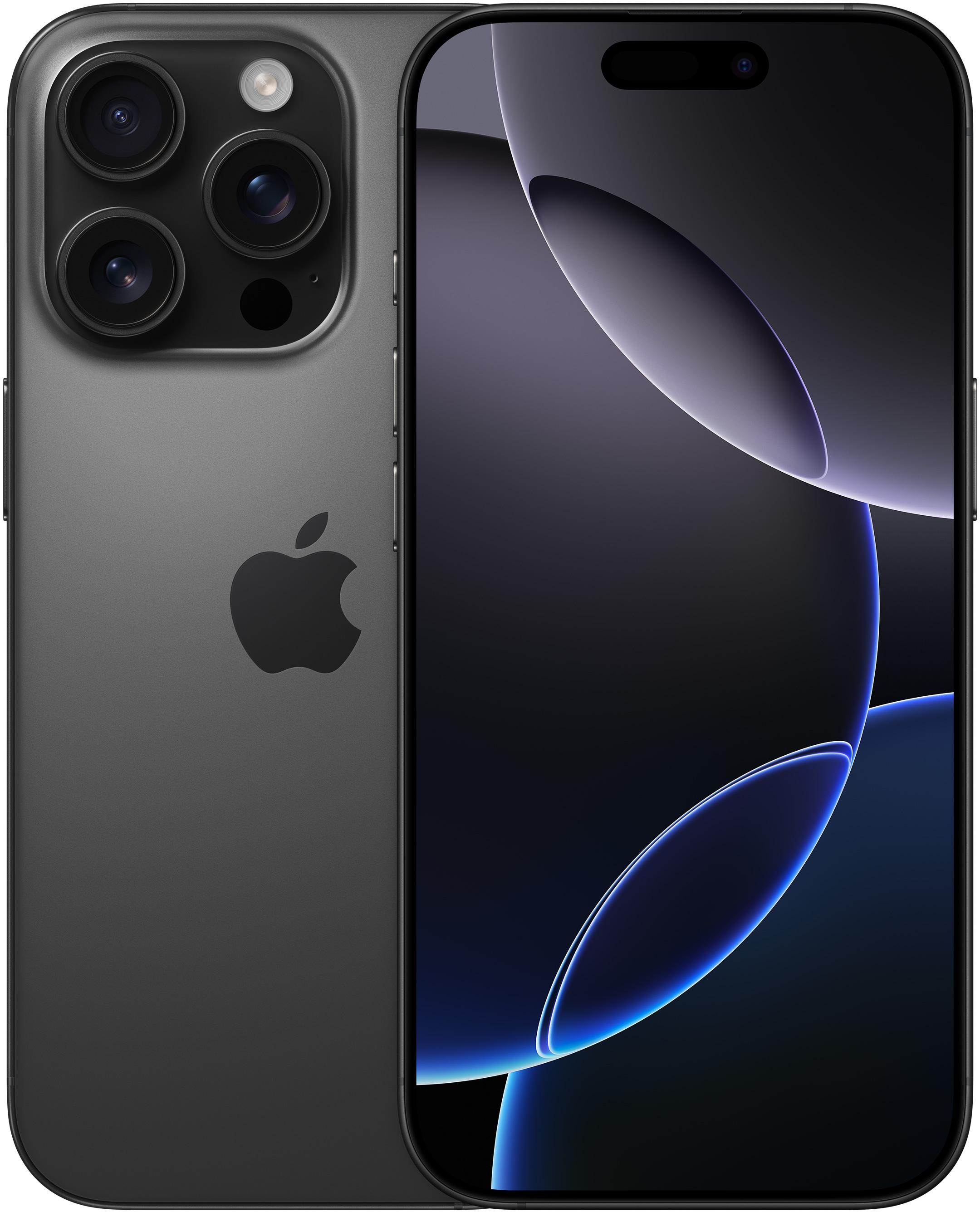
Deciding between the standard iPhone 16 and the iPhone 16 Pro comes down to a $200 gap and three distinct hardware upgrades. The base iPhone 16 starts at $799, while the Pro commands $999. For most people, the standard model packs enough performance to handle daily tasks without feeling like a compromise. However, the Pro model targets specific workflows, offering a larger screen, a dedicated telephoto zoom lens, and a titanium frame. If you're wondering whether that extra cash translates to real-world value, let's break down where the money goes.
The standard iPhone 16 closes the gap with previous generations by adopting features like the Action button, the new Camera Control key, and full support for Apple Intelligence. Because both phones share the same core AI capabilities and baseline software experience, the choice rests entirely on hardware performance, physical dimensions, and camera flexibility.
Design and Display Differences
At first glance, both devices look sleek, but holding them reveals distinct manufacturing choices. The standard iPhone 16 uses color-infused aluminum and an aerospace-grade glass back, weighing in at a light 170 grams. The iPhone 16 Pro steps up to a grade 5 titanium enclosure with a textured matte glass finish, tipping the scales at 199 grams. Titanium makes the Pro lighter than older stainless steel models, but it's still noticeably heavier and denser in the hand than the base model.
Display sizes and technology also separate the two tiers:
- iPhone 16: Features a 6.1-inch Super Retina XDR OLED panel locked at a standard 60Hz refresh rate.
- iPhone 16 Pro: Expands to a 6.3-inch display with slimmer bezels and adaptive ProMotion technology scaling from 1Hz to 120Hz.
That 120Hz refresh rate on the Pro changes how fluid scrolling, system animations, and games look. If you're used to a high-refresh-rate screen on an older Android or a Pro iPhone, dropping back to 60Hz on the standard iPhone 16 can feel jarring at first. If you've never used a high refresh rate, you won't miss it.
Performance and Silicon Capabilities
Under the hood, Apple equips both devices with the A18 architecture built on second-generation 3-nanometer processes. They both feature 8GB of RAM to power on-device artificial intelligence features smoothly. But they aren't identical twins.
The standard iPhone 16 runs on the A18 chip with a 5-core GPU, while the iPhone 16 Pro houses the A18 Pro chip featuring a 6-core GPU and faster USB 3 data transfer speeds. In everyday tasks like messaging, web browsing, and navigating maps, you won't notice a speed difference. Both open apps instantly and handle intensive multitasking effortlessly.
The extra GPU core on the Pro shines during extended gaming sessions or heavy video rendering tasks, sustaining higher frame rates over long periods. Furthermore, the Pro features a larger internal thermal design, meaning it dissipates heat better during high-load scenarios.
Camera Systems and Content Creation
Camera hardware is where the $200 price delta becomes most apparent.
The standard iPhone 16 features a dual-lens setup: a 48-megapixel main fusion camera and a 12-megapixel ultrawide lens with autofocus that enables macro photography. It's a versatile, highly capable everyday shooter that captures sharp details and vibrant colors.
The iPhone 16 Pro introduces a triple-lens array:
- A primary 48-megapixel main sensor with a larger footprint.
- A redesigned 48-megapixel ultrawide lens.
- A 12-megapixel telephoto lens providing 5x optical zoom.
If you frequently take portraits from a distance, shoot wildlife, or want clean framing without digital cropping, the 5x telephoto lens on the Pro is a game-changer. Additionally, the Pro supports professional workflows like 4K video recording at 120 frames per second, ProRes log recording directly to external storage drives, and studio-quality quad microphones for spatial audio capture.
Both models include the physical Camera Control button on the right flank, letting you adjust exposure, zoom, and depth of field with simple capacitive swipes and clicks.
Battery Life and Charging Realities
Battery longevity is close, but physical size constraints give the Pro a slight advantage. The standard iPhone 16 rates for up to 22 hours of local video playback, whereas the iPhone 16 Pro pushes up to 27 hours.
In practical, mixed-usage scenarios involving social media scrolling, navigation, and streaming, both devices comfortably clear a full day. Charging speeds are identical: using a compatible 30W power adapter or higher, both models reach a 50% charge in roughly 30 minutes via USB-C, alongside support for 25W MagSafe wireless charging.
Common Mistakes When Choosing
Buyers often make specific errors when weighing these two handsets:
- Buying the Pro purely for status: Purchasing a Pro model just to have the highest tier when your usage consists entirely of texting, casual snapshots, and streaming leads to wasted money on unused features.
- Ignoring storage tiers: The base configuration for both phones starts at 128GB. If you plan to shoot a lot of 4K video or install massive games, the 128GB tier fills up fast. Many users find that upgrading the standard iPhone 16 to 256GB hits the sweet spot for value.
- Assuming AI features are locked to the Pro: Some buyers think Apple Intelligence requires a Pro processor. Because both use the A18 family with 8GB of RAM, AI performance is identical across both devices.
Frequently Asked Questions
Does the standard iPhone 16 feel laggy due to its 60Hz screen?
If you are transitioning directly from a phone with a 1, 90, or 120Hz display, animations will initially look less fluid. However, iOS optimization keeps scrolling stable, and most users adapt within a few days of normal use.
Can the regular iPhone 16 shoot macro photos?
Yes. Despite lacking a dedicated third macro lens, the upgraded ultrawide camera on the standard iPhone 16 supports autofocus for close-up macro photography.
Which model holds its resale value better?
Pro models generally retain a higher percentage of their initial value over a multi-year span because enthusiasts and second-hand buyers actively seek out advanced camera features and ProMotion displays.
Are phone cases interchangeable between the iPhone 16 and iPhone 16 Pro?
No. Because the iPhone 16 Pro features a slightly larger 6.3-inch display, slimmer bezels, and different physical dimensions alongside a distinct camera bump layout, cases designed for one model will not fit the other.


