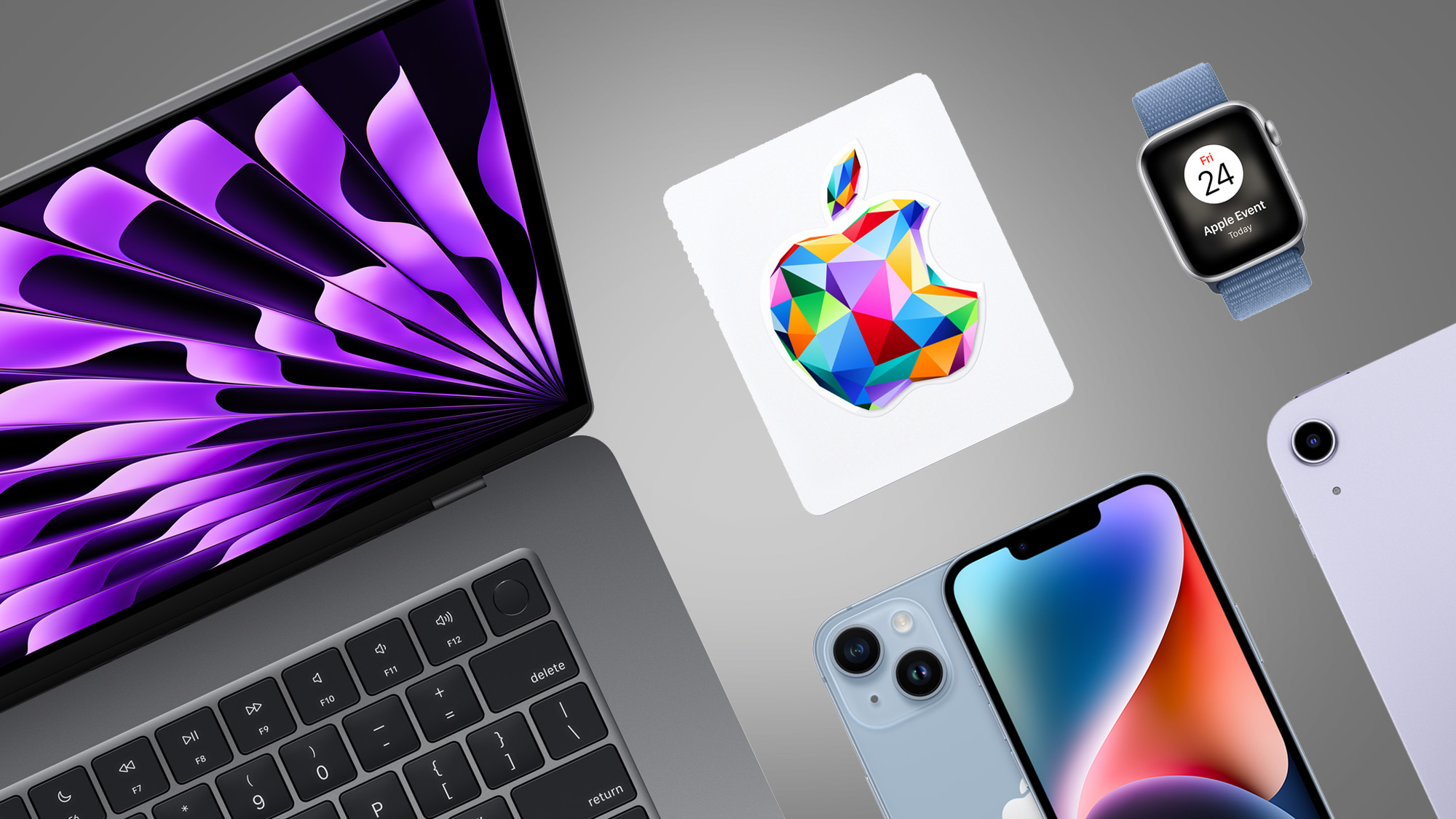
The iPhone 16 marks a major shift for mobile computing because it was built from the silicon up for on-device machine learning. You get custom hardware integration, a dedicated camera shutter button, and deep generative processing right in your hand. Apple designed this generation to bridge the gap between traditional pocket computers and context-aware digital assistants.
If you're upgrading from an older handset, you'll notice changes right away in battery longevity, sensor capabilities, and daily usability. Let's break down what makes this device tick, how its processing architecture works, and whether it fits your daily routine.
Understanding the A18 Chip and Neural Engine
At the heart of the standard iPhone 16 is the A18 chip, while the Pro models feature the beefier A18 Pro variant. Both chips use a second-generation 3-nanometer process that boosts power efficiency while keeping thermal throttling under control during heavy tasks.
- 6-Core CPU: Split into two performance cores and four efficiency cores, handling routine multitasking without draining the cell.
- 16-Core Neural Engine: Specifically optimized to run large generative models locally without hammering cloud servers.
- System Memory Bandwidth: Increased to feed the neural engine data fast enough for real-time text and image processing.
Performance tests show a noticeable jump in sustained graphics rendering, which matters if you play mobile titles or run complex augmented reality apps. Apple also redesigned internal thermal paths to dissipate heat better than the iPhone 15 series.
Apple Intelligence and Personal Context
Software integration defines this generation. Apple Intelligence weaves natural language tools across iOS 18. Instead of relying on rigid voice commands, Siri understands conversational context, tolerates mid-sentence corrections, and maintains awareness of what's currently on your screen.
Writing tools built directly into the operating system let you proofread, rewrite, or summarize long email threads with a couple of taps. For privacy, requests run either on-device or through Private Cloud Compute, meaning your personal data isn't stored or exposed to third-party ad networks. ChatGPT integration also acts as an optional fallback when you need broader web knowledge beyond Apple's local models.
Camera Control and Visual Intelligence
Hardware changes match the software upgrades. Every model in the lineup features the new Camera Control button on the right side. This capacitive touch surface lets you launch the camera instantly, slide to adjust zoom, modify depth of field, or click to snap a shot.
Coupled with Camera Control is Visual Intelligence. Point your lens at a restaurant to check hours, a flyer to add an event straight to your calendar, or an unfamiliar plant to identify its species right on the spot.
Camera Hardware Breakdown
- 48MP Fusion Main Camera: Captures high-resolution default images with pixel binning for low-light clarity.
- Ultra Wide Lens: Equipped with autofocus and macro capability to capture sharp close-ups.
- Pro Models: Add dedicated telephoto optical zoom lenses and advanced spatial audio recording microphones.
You can review complete technical documentation directly on the Apple Support iPhone 16 Technical Specs page.
Battery Life, Pricing, and Configuration Options
Efficiency gains translate directly into hours away from the charger. The base iPhone 16 delivers up to 22 hours of local video playback, while the larger Plus and Pro Max variants stretch that endurance even further. Faster MagSafe wireless charging now hits up to 25W speeds when paired with a compatible 30W adapter.
Pricing remains consistent with past launch windows:
- iPhone 16: Starts at $799 for 128GB storage.
- iPhone 16 Plus: Starts at $899 for 128GB storage.
- iPhone 16 Pro: Starts at $999 for 128GB storage.
- iPhone 16 Pro Max: Starts at $1,199 for 256GB storage.
Trade-in credits from major carriers or through the Apple Store Trade-In Program can offset these retail costs significantly depending on the condition of your current device.
Common Upgrading Mistakes to Avoid
Buying a new smartphone cycle after cycle often leads to wasted money. Keep these pitfalls in mind before you check out:
- Skipping storage assessment: If you plan to shoot ProRes video or store heavy offline AI models, buying the base 128GB tier will fill up fast. Opt for 256GB or higher.
- Expecting legacy compatibility: Older accessories that rely on tight mechanical alignments might not mesh well with cases designed around the new Camera Control cutout.
- Ignoring regional rollouts: Certain advanced language models and local AI features roll out in phases depending on your region and set language preferences.
Frequently Asked Questions
Do older iPhones support Apple Intelligence?
Only select recent models support these features. Among previous generations, only the iPhone 15 Pro and iPhone 15 Pro Max possess the necessary hardware architecture alongside the entire iPhone 16 lineup.
What is the purpose of the Camera Control button?
It provides a physical, touch-sensitive shortcut on the side of the phone to manage camera settings, zoom ratios, and exposure without fumbling through touchscreen menus.
Does the base iPhone 16 have a 120Hz display?
No. The standard iPhone 16 and iPhone 16 Plus retain standard refresh rate displays, while the Pro and Pro Max models feature ProMotion technology scaling up to 120Hz.
How does Private Cloud Compute protect my data?
Apple splits processing between on-device silicon and dedicated server clusters running custom silicon, ensuring your data is processed securely without being logged or retained by external servers.



