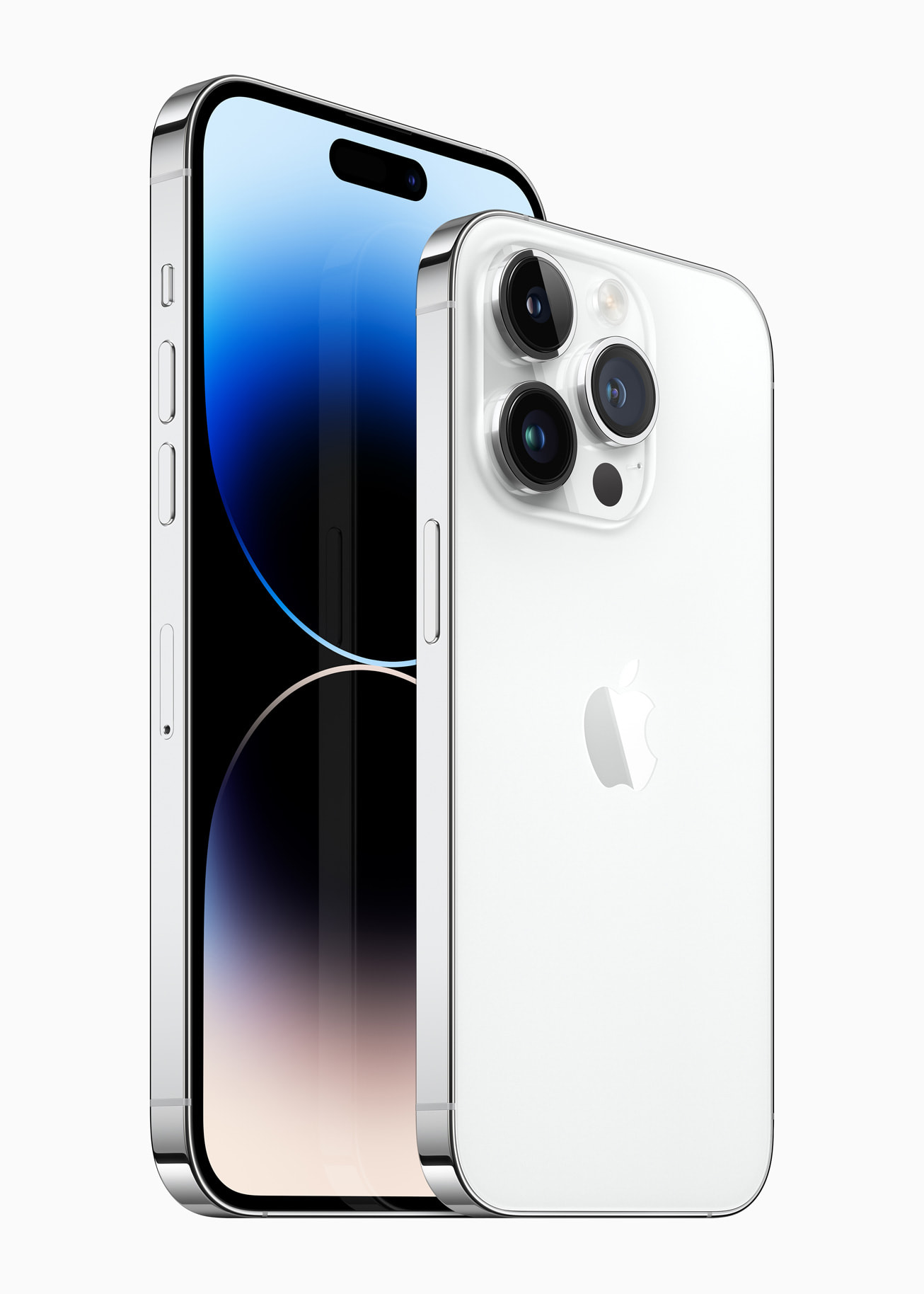
Buying an iPhone 15 Pro in Japan offers distinct pricing advantages due to fluctuating currency exchange rates, though local retail costs vary depending on whether you purchase directly from Apple Japan or secondary cellular carriers. When the device launched, baseline pricing started at 159,800 Japanese Yen for the 128GB model, but shifting market conditions and the secondhand trade ecosystem have changed what you can expect to pay today.
Understanding the real financial outlay requires looking past the sticker price. Factors like carrier lock variations, payment methods, and evolving tax regulations dictate the total cost for both residents and international visitors.
Apple Store Retail Pricing Breakdown
Purchasing an unlocked device straight from an official Apple retail location or the online Japanese Apple Store provides a clear baseline. Apple sets uniform nationwide prices, completely free of carrier subsidies or mandatory contract terms.
- 128GB Model: 159,800 JPY
- 256GB Model: 174,800 JPY
- 512GB Model: 204,800 JPY
- 1TB Model: 234,800 JPY
These figures represent the standard tax-inclusive retail rates. Because Apple prices its hardware globally based on regional economic strategies, buying within Japan often yields a favorable conversion rate for foreign buyers holding US Dollars, Euros, or other strong currencies, even after accounting for international transaction fees.
Carrier Pricing and Contract Subsidies
Major Japanese telecom providers—such as Docomo, SoftBank, and au—offer the iPhone 15 Pro alongside monthly service plans. While these providers frequently promote lower initial monthly outlays, they achieve this through structured device installment programs spanning 24 to 48 months.
- Installment Structures: Carriers often use trade-in or early-upgrade frameworks, like SoftBank's Toku Suru Support, which lets you return the device after two years to waive remaining payments.
- Carrier Restrictions: Historically, carrier-purchased units featured network locks. Japanese telecommunications law now mandates that all phones sold must be SIM-free out of the box, but verifying unlock status before purchase is essential if you plan to use a foreign SIM card immediately.
- Hidden Plan Costs: Buying through a carrier almost always requires binding yourself to a domestic monthly data plan, making this route impractical for short-term visitors or tourists.
Tax Rules and Savings for Travelers
International visitors exploring consumer electronics in Japan must navigate specific consumption tax policies. Japan levies a 10% consumption tax on retail goods, but eligible temporary visitors can claim exemptions.
- Eligibility Requirements: You must enter Japan on a Temporary Visitor status and hold your foreign passport. Foreign residents working or studying long-term do not qualify.
- Minimum Spend Thresholds: Qualifying purchases must exceed 5,000 JPY before tax at a single participating retail location on the same day.
- The Refund System: Japan's tax-free framework requires shoppers to pay the full price up front at the register and receive the consumption tax back electronically or via airport refund terminals upon departure, after verifying that the goods are leaving the country with you.
Hardware Nuances of Japanese iPhone Models
Japanese market specifications carry unique traits that differentiate local stock from North American or European variants. Reviewing these hardware distinctions prevents unexpected surprises after unboxing.
- Shutter Sound Regulation: Japanese law and industry guidelines historically mandated that smartphones manufactured for sale within the country emit an audible shutter sound whenever a photo is captured, even when the device is silenced. This sound deactivates automatically if you insert a non-Japanese SIM card or travel abroad, but it remains active on local networks.
- FeliCa and Osaifu-Keitai Support: Japanese models feature built-in FeliCa chips, allowing users to load digital transit passes like Suica or Pasmo directly into Apple Wallet for seamless subway and convenience store payments.
- Band Compatibility: The Japanese variant supports an extensive range of global 5G and LTE frequency bands, ensuring high-speed compatibility across North America, Europe, and Asia without cellular dropouts.
Secondhand and Refurbished Market Alternatives
If retail sticker prices stretch your budget, Japan's robust secondhand electronics market offers reliable alternatives through major domestic recyclers like Geo Mobile or Sofmap.
- Condition Grading: Japanese secondhand stores use strict grading criteria. A device rated "Rank A" or "Mint" typically shows zero visible wear, often including original packaging and battery health above 90%.
- Price Reductions: Used units generally trade at a 15% to 25% discount compared to brand-new retail boxes, providing a smart avenue for budget-conscious buyers seeking flagship performance.
- In-Store Inspection: Buying second-hand physically in Akihabara or major urban tech hubs lets you inspect the screen, ports, and battery health indicators directly before exchanging money.
Frequently Asked Questions
Can I use a Japanese iPhone 15 Pro outside of Japan?
Yes. Japanese iPhone models are factory unlocked and support global cellular frequencies, meaning they work smoothly with international carriers once you insert a local SIM or configure an eSIM.
Does the Japanese iPhone 15 Pro support physical dual SIM cards?
No. Japanese models feature a single physical nano-SIM slot combined with digital eSIM capability. They do not support dual physical nano-SIM cards, which is a configuration reserved primarily for regions like mainland China, Hong Kong, and Macau.
Is it cheaper to buy an iPhone 15 Pro in Japan compared to the US?
Base retail prices converted directly into foreign currency often look attractive, but you must factor in local sales taxes, international credit card foreign exchange markup fees, and the lack of standard US AppleCare convenience if service is required back home.
How do I check if an Apple Store has stock before visiting?
You can check real-time stock availability on the official Apple Store online portal by selecting your preferred retail store location and choosing the "In-Store Pickup" option before completing an online reservation.



