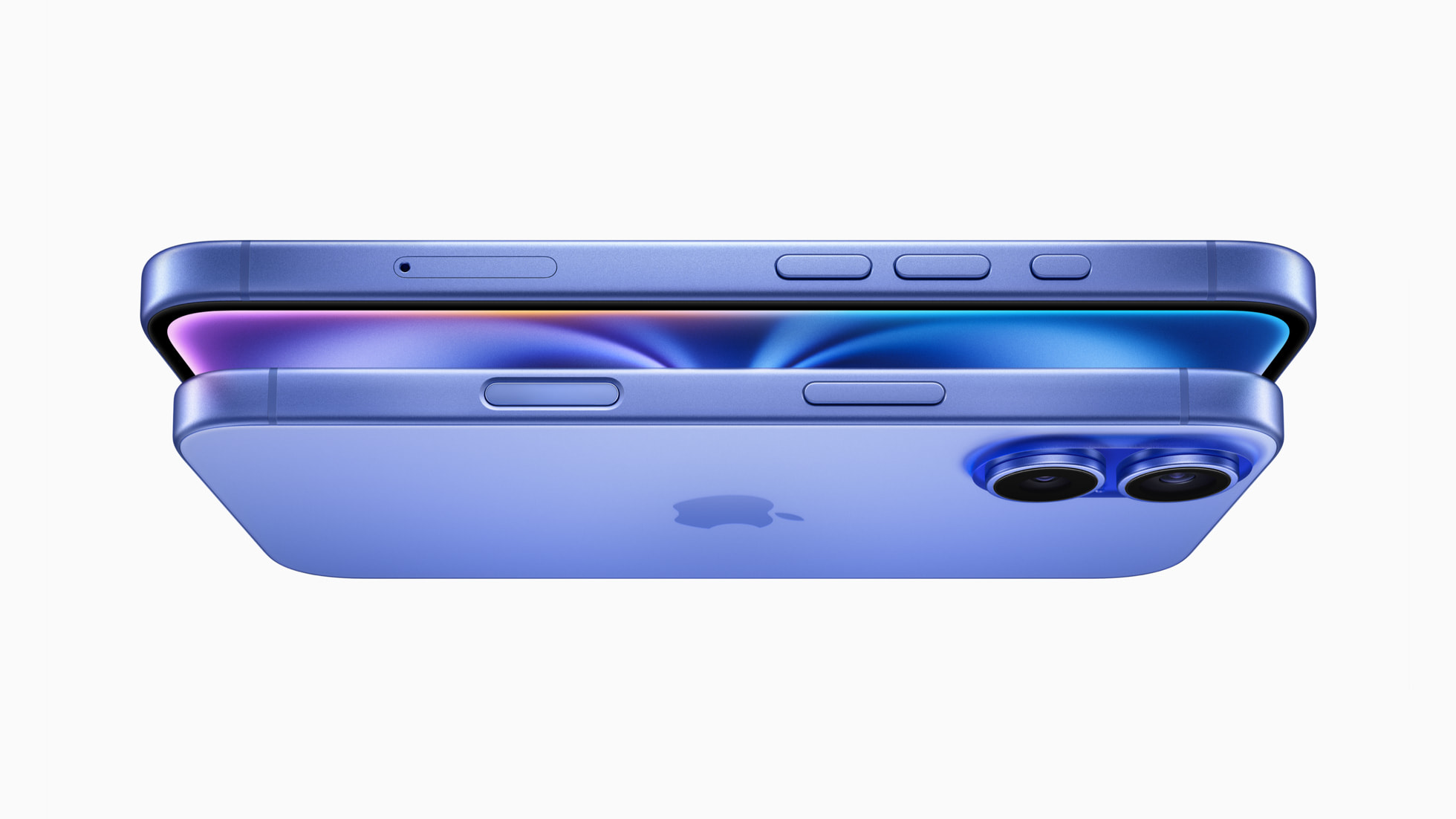
Real-world battery performance on the iPhone 15 lineup comes down to how well the hardware manages power during mixed daily tasks like streaming, messaging, and navigation. While lab specifications offer a baseline, actual endurance depends heavily on cellular signal strength, background app refreshes, and display brightness. Apple equipped the base iPhone 15 with a 3,349 mAh battery, while the larger iPhone 15 Plus packs a 4,383 mAh cell, creating distinct everyday experiences for users moving away from older generation devices.
Under heavy daily routines involving social media feeds, continuous email syncing, and periodic GPS navigation, the standard model comfortably survives a standard workday with roughly twenty to thirty percent charge remaining by bedtime. Power efficiency relies on the internal silicon architecture, which balances high-performance cores with low-power tasks to minimize drain during idle periods.
Real-World Usage vs. Lab Benchmarks
Synthetic tests often run continuous video playback under controlled brightness, but daily usage involves constant switching between Wi-Fi and 5G networks, push notifications, and varying screen refresh behaviors. When you step outside into bright sunlight, the screen automatically cranks up its peak outdoor brightness, which accelerates power consumption much faster than static indoor tests suggest.
- Cellular vs. Wi-Fi: Streaming video over a stable home Wi-Fi network uses significantly less power than maintaining a cellular data connection in an area with poor signal reception, where the modem works overtime to hold onto a tower.
- Background Activity: Allowing dozens of applications to refresh content in the background drains power imperceptibly throughout the day, often accounting for an unexpected drop in percentage while the phone sits idle on a desk.
- Location Services: Continuous background tracking from mapping or delivery apps keeps the GPS module active, reducing total screen-on time before a recharge is necessary.
Capacity Breakdown Across the Lineup
Physical dimensions dictate how large of a power cell fits inside each chassis. The standard 6.1-inch model houses a 3,349 mAh battery, whereas the 6.7-inch iPhone 15 Plus features a 4,383 mAh capacity. For users prioritizing multi-day endurance without carrying a portable charger, the Plus variant consistently delivers superior longevity due to its physical footprint accommodating a larger energy reservoir.
The Pro variants handle power differently. The iPhone 15 Pro features a 3,274 mAh battery, while the iPhone 15 Pro Max steps up to 4,422 mAh. Even though the Pro models feature high-refresh-rate displays that scale down dynamically during static reading, intense 3D gaming or prolonged video recording pushes the processor to draw maximum current, which warms the chassis and depletes the reserve faster than everyday browsing.
Practical Steps to Optimize Efficiency
If your daily routine pushes your device to the limit before evening, a few software adjustments recover valuable percentages without sacrificing core functionality.
- Review Location Permissions: Restrict apps to track your location only while using the application rather than allowing constant background access.
- Manage Background Refresh: Turn off background app refresh for apps that do not require instant notification delivery.
- Control Display Settings: Enable Auto-Brightness to prevent the panel from staying at maximum output in brightly lit environments where lower levels suffice.
- Optimize Email Fetching: Change your mail account settings from automatic push to manual fetching or scheduled intervals.
For further technical details on device power management, consult the Apple Support guidelines on maximizing battery performance. You can also review hardware specifications directly through Apple.
Frequently Asked Questions
How does the iPhone 15 battery compare to the iPhone 14?
The standard iPhone 15 features a slightly larger capacity (3,349 mAh compared to 3,279 mAh in the iPhone 14) and utilizes a more power-efficient processor layout, yielding roughly an extra hour of continuous playback in everyday scenarios.
Does fast charging degrade the battery health faster?
Using a compatible high-wattage power adapter triggers fast charging safely by ramping up current only during the initial empty phase, tapering off as the cell approaches capacity to minimize heat stress.
Why does my phone warm up during intense tasks?
When running graphic-heavy games or rendering video, the processor draws maximum power rapidly, converting excess energy into heat and temporarily increasing discharge rates.
When should I consider replacing the internal battery?
Apple designs these components to retain up to eighty percent of their original capacity under normal conditions after five hundred complete charge cycles. If your device shuts down unexpectedly or struggles to hold a charge through the afternoon, a replacement service restores standard operation.


