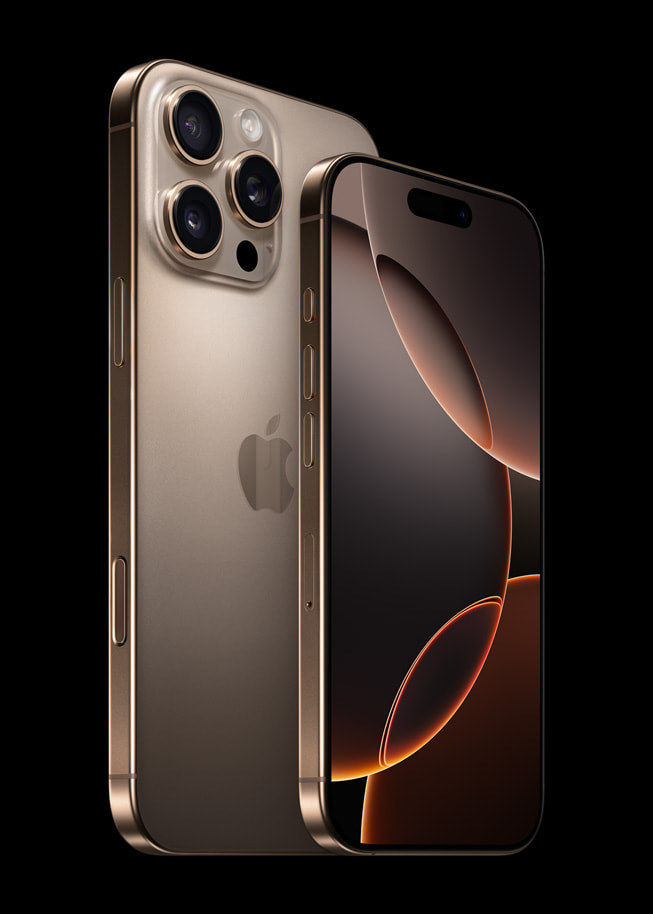
When you crack open the retail box of an iPhone 14 Pro, you're greeted by a familiar minimalist presentation. Apple keeps things thin and light by ditching the power brick and wired EarPods, leaving just the handset face down, a braided USB-C to Lightning cable, documentation, and a single Apple sticker. If you're coming from an older device like an iPhone 11 or 12, the physical shift hits you right away. The textured matte glass back, stainless steel chassis, and the noticeable absence of the traditional top notch immediately signal a design shift.
The primary intent behind unboxing this model is discovering what's inside the package, understanding the immediate physical impressions, and seeing how the hardware sets up out of the box. This guide walks you through the contents, initial hardware changes, software startup with iOS, and answers practical questions regarding the upgrade process.
What Comes Inside the Retail Box
Apple's packaging footprint remains small because the company excludes wall adapters to reduce electronic waste. When you slide off the top lid of the box, you find:
- The iPhone 14 Pro unit, securely wrapped in a protective paper film rather than traditional clear plastic.
- A USB-C to Lightning cable, which supports fast charging when paired with a compatible 20W or higher USB-C power brick.
- SIM ejector tool and paperwork, including safety guidelines and a single monochrome Apple logo sticker.
There are no surprises here, but it's worth noting that if you don't own a modern USB-C power adapter, you'll need to source one separately to utilize fast charging capabilities.
First Physical Impressions and Build Quality
Lifting the phone out reveals a weight and finish that feels dense and premium. Weighing in at 206 grams for the 6.1-inch model, it has a reassuring heft. The surgical-grade stainless steel bands catch fingerprints easily, especially on darker finishes like Space Black, but they give the device a rigid, structured feel.
The biggest visual shift on the front is the replacement of the classic notch with the Dynamic Island. Instead of a static cutout, Apple combines hardware and software to morph this pill-shaped area into an interactive hub for background activities like music playback, timers, and maps.
On the back, the camera module is substantially larger than the previous generation. The three lenses protrude deeper from the chassis, meaning the phone will wobble if you place it flat on a table without a case. The color lineup includes Space Black, Silver, Gold, and Deep Purple, with the Deep Purple option offering a subtle, shifting tone depending on ambient lighting.
Powering On and Initial Setup
Pressing the side button fires up the Super Retina XDR display, which boasts an outdoor peak brightness of up to 2,000 nits. Setting up the device runs smoothly through the standard iOS configuration screens.
- Bring your old iPhone close to trigger the quick migration prompt, which transfers your apps, settings, and Wi-Fi credentials via direct peer-to-peer Wi-Fi.
- Configure Face ID, which now accounts for the Dynamic Island layout and works seamlessly even in landscape mode if you run updated software versions.
- Enable the Always-On Display, a new addition for this generation that dims your lock screen wallpaper while keeping widgets and notifications visible at a 1Hz refresh rate.
Once you reach the home screen, you'll notice iOS running with fluid 120Hz ProMotion animations. Scrolling through web pages or switching between apps feels immediate and jitter-free.
Camera System Overview
The headline hardware change sits inside the main wide camera, which jumps from a 12MP sensor to a 48MP quad-pixel sensor. Out of the box, the phone shoots standard 12MP photos by binning four pixels into one larger 2.44µm pixel to pull in extra light during low-light scenarios.
If you want to shoot at the full 48MP resolution for maximum detail, you have to toggle Apple ProRAW on within the device settings. Keep in mind that ProRAW files range from 50MB to 75MB per photo, so a base 128GB storage model fills up quickly if you leave this setting on permanently. For official technical specifications and feature breakdowns, you can check the Apple iPhone Support page.
Frequently Asked Questions
Does the iPhone 14 Pro still include a physical SIM card tray?
In the United States, Apple ships the iPhone 14 Pro completely eSIM-only, meaning there's no physical SIM slot. International models sold in regions like Europe, Canada, and Asia still retain a physical nano-SIM slot alongside eSIM support.
How much faster is the A16 Bionic chip compared to older models?
The A16 Bionic chip features a 6-core CPU and a 5-core GPU built on a 4nm process. While day-to-day app opening speeds feel similar to the iPhone 13 Pro, the graphic processing unit delivers roughly a 28% boost in intensive tasks like mobile gaming and video rendering.
Can I use my old iPhone 13 Pro cases on the iPhone 14 Pro?
No, you can't. Even though both phones share a 6.1-inch screen size, the camera bump on the iPhone 14 Pro is significantly larger, and the overall body dimensions differ by fractions of a millimeter, making older cases incompatible.
What is the battery life like during daily use?
With normal mixed usage—including browsing, social media, and moderate photography—the battery easily lasts through a full day. To learn more about battery health management and optimal charging habits, visit Battery Care and Performance.



