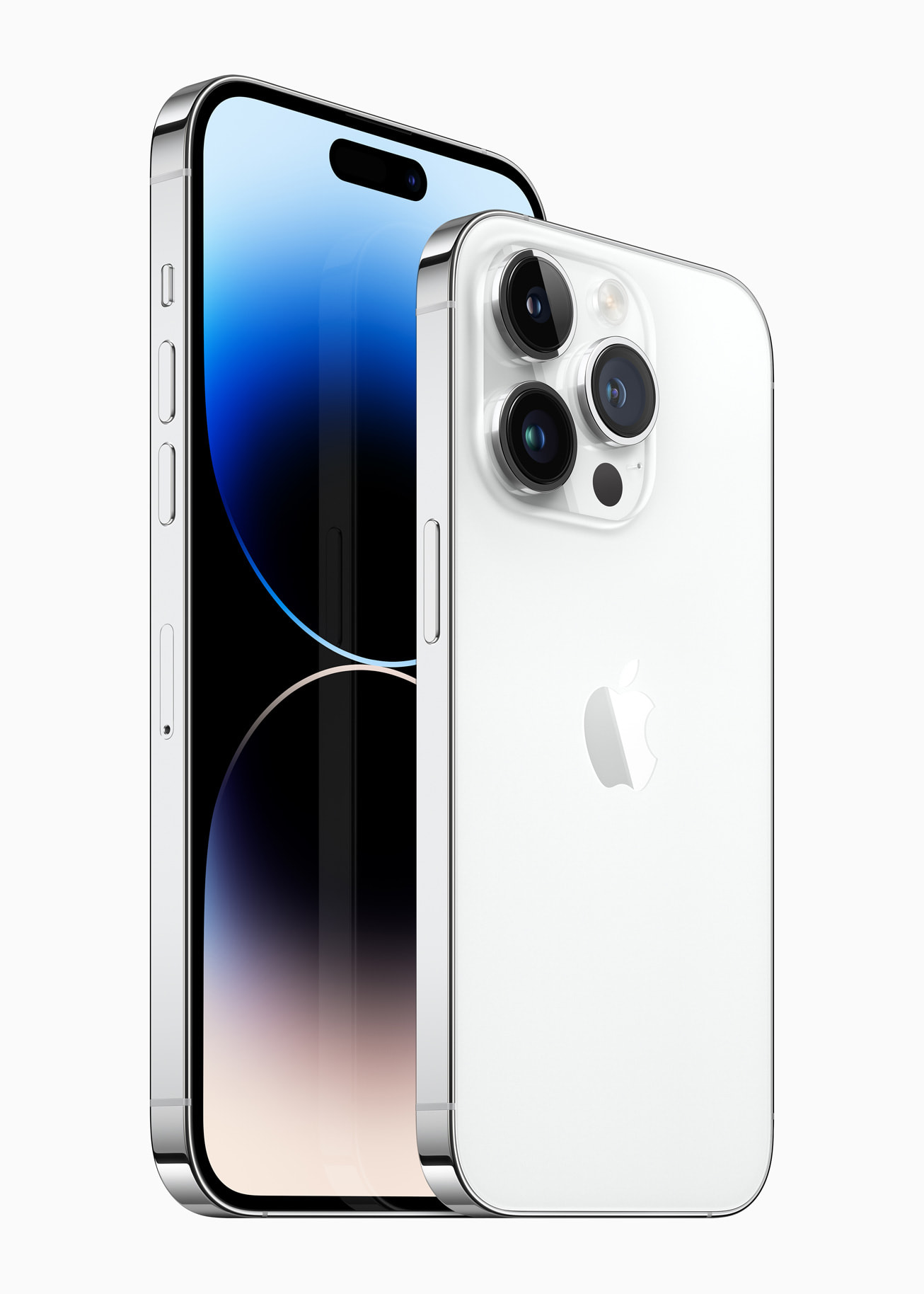
We've spent weeks testing Apple's 2022 oversized flagship to see how its hardware holds up under heavy daily demands. If you're weighing an upgrade from an older generation, you want to know whether the hefty price tag and large footprint translate to genuine utility. The short answer is yes, though specific quirks regarding weight and charging speeds require careful consideration.
The 6.7-inch Super Retina XDR display introduces the Dynamic Island, replacing the long-standing notch with an interactive cutout that houses notifications and background activities. Coupled with an always-on display running down to a 1Hz refresh rate, the phone changes how you interact with glanceable info.
Display Quality and Outdoor Usability
Apple bumped peak outdoor brightness to 2,000 nits on this panel. When you step out into direct sunlight, the screen punches up automatically, making maps and text readable without squinting.
ProMotion technology scales the refresh rate dynamically from 10Hz up to 120Hz. Scrolling through web pages or social feeds feels fluid, and the lower floor helps conserve power when reading static text. Additional reporting by Engadget delves into similar views on this issue.
However, the physical footprint remains a challenge. Weighing 240 grams, the device feels heavy in one hand. If you're coming from a standard or mini model, expect an adjustment period for your wrists and pockets.
A16 Bionic Performance and Thermal Management
Under the hood sits the A16 Bionic chip built on a refined 4-nanometer process. It packs a 6-core CPU, 5-core GPU, and a 16-core Neural Engine capable of handling trillions of operations per second.
In day-to-day multitasking, switching between heavy navigation apps, video editors, and games happens without stutter. Yet, heavy gaming sessions or prolonged 4K video exports push the stainless steel chassis to warm up. Thermal throttling kicks in mildly after twenty minutes of intense benchmarking, though you won't notice it during standard tasks.
- Single-Core Speed: Handles rapid script execution and UI response instantly.
- Multi-Core Power: Manages background sync, downloads, and rendering simultaneously.
- Graphics Handling: Smooth frame rates in demanding titles, though sustained peak output dips slightly as thermals rise.
According to Apple, the architecture emphasizes energy efficiency alongside raw output, which shows in the overall battery durability.
Camera System Breakthroughs
The rear camera array marks the biggest hardware shift in years. Apple replaced the long-running 12MP primary sensor with a 48MP main camera utilizing a quad-pixel setup.
Out of the box, the phone shoots 12MP photos by default, binning four pixels into one to capture more light in low-light environments. You can switch to raw 48MP shooting in settings if you plan to crop heavily or print large images.
Low Light and Zoom Capabilities
Low-light performance benefits from the Photonic Engine, an image pipeline that applies Deep Fusion earlier in the capture process. Night mode shots retain color fidelity without introducing excessive digital noise or aggressive smoothing.
The 3x telephoto lens delivers sharp portraits, though we miss a longer periscope zoom found on competing Android flagships like the Samsung Galaxy S23 Ultra. Action mode adds gimbal-like stabilization for handheld video recording, smoothing out erratic runs or bumps while walking.
Battery Life and Charging Realities
Battery longevity stands out as a primary strength. Even with the always-on display active, the cell easily pushes through a full day of heavy usage, including four hours of screen-on navigation, messaging, and media streaming, leaving roughly twenty percent charge by bedtime.
Charging speeds remain a weak point compared to fast-charging rivals. Using a 20W or higher brick, you'll reach roughly 50 percent charge in 30 minutes, but a full cycle takes nearly two hours. Wireless charging via MagSafe tops out at 15W.
Common Upgrade Mistakes
Buyers often rush into purchasing the Pro Max model solely for the screen size without accounting for ergonomics.
- Ignoring Weight: Try holding the device in a store before buying if you have smaller hands.
- Overestimating Storage Needs: If you shoot in 48MP ProRAW frequently, the base 128GB tier fills up within weeks. Opt for 256GB or higher if you shoot video regularly.
- Expecting Rapid Charging: Don't expect zero-to-hundred charging in under an hour; Apple prioritizes battery health longevity over raw wattage spikes.
Frequently Asked Questions
Is the Dynamic Island actually useful?
Yes, it transitions from a novelty to a practical tool for keeping tabs on timers, music playback, and sports scores without switching apps. Third-party app support continues to expand its utility.
Does the always-on display drain the battery quickly?
Apple dimming the entire lock screen wallpaper and dropping the refresh rate to 1Hz keeps the drain minimal—typically around 3 to 5 percent over an eight-hour night.
Can I use my old Lightning cables?
Yes, the iPhone 14 Pro Max retains the Lightning port rather than switching to USB-C, meaning your existing accessories remain compatible for this generation.
How does it compare to the standard iPhone 14?
The Pro Max adds the 48MP camera system, a brighter 120Hz display with Always-On capability, the Dynamic Island, and the newer A16 chip, making it a substantial step up in hardware capability.



