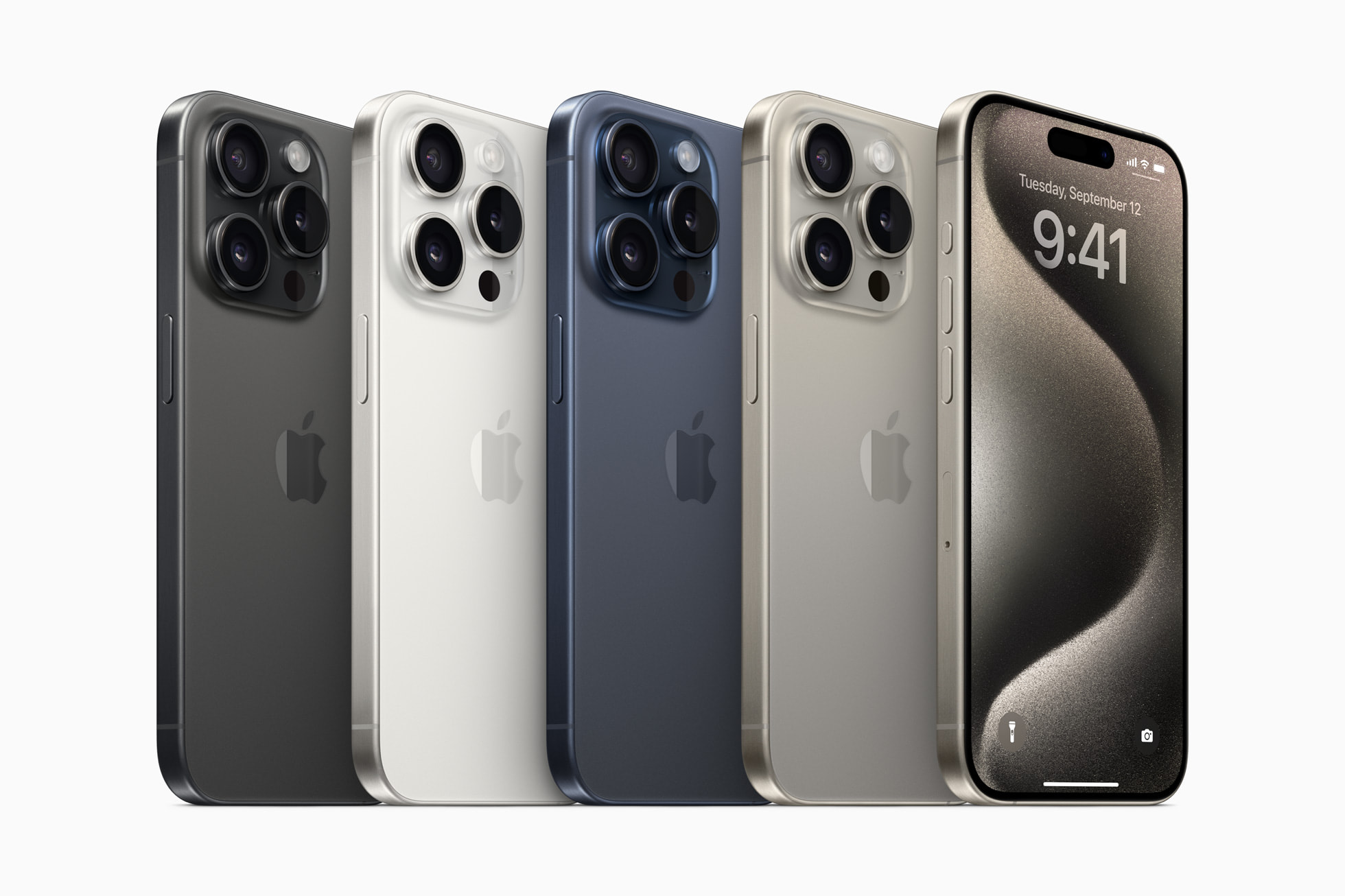
When Apple pulled the plug on the iPhone 14 Pro Max, it didn't mean the device suddenly stopped working. Instead, the company followed its predictable annual playbook. Apple routinely shelves its previous-generation flagship pro models the moment new hardware hits the shelves, forcing buyers to look toward newer iterations or certified refurbished markets. If you're holding onto this phone or thinking about buying one secondhand, understanding what this retirement actually means for software support, repairs, and hardware value helps you make smart choices.
Apple discontinued the iPhone 14 Pro Max in September 2023, just one year after its initial release, coinciding with the launch of the iPhone 15 lineup. This move wasn't triggered by a hardware defect or a safety recall. Rather, Apple has a strict corporate strategy of maintaining a streamlined product catalog. By removing older high-end devices, they steer consumers toward current flagship alternatives. For current owners, you don't need to panic. Your phone remains fully functional, receives security updates, and stays compatible with current apps.
Why Apple Discontinues Pro Models So Quickly
Apple's hardware lifecycle moves fast. When a new generation launches, keeping last year's pro model around creates inventory overlap and confuses buyers who compare marginal price differences between generations.
The decision centers around three main factors:
- Manufacturing Efficiency: Apple shifts assembly lines entirely toward newer components, such as the titanium chassis and USB-C architecture introduced later.
- Tier Separation: Keeping the older pro model at a discounted price would cannibalize sales of the standard current-generation base models.
- Retail Real Estate: Apple stores and authorized carrier partners have limited shelf space, prioritizing devices they intend to push for the next twelve months.
Impact on Software Support and Security
A common worry when a phone leaves official retail channels is whether Apple will immediately drop software updates. Historically, Apple supports iPhones with major iOS upgrades for roughly five to seven years from their original release date.
Because the device debuted in 2022, it remains a fully supported piece of hardware. You'll continue to receive regular security patches, bug fixes, and major iOS version upgrades for several years. Apple is required by consumer protection standards and its own update roadmap to maintain older chips, meaning performance won't be artificially choked off anytime soon.
Buying or Selling a Used iPhone 14 Pro Max
With retail stores no longer stocking brand-new units, the secondary market is where transactions happen. If you're looking to buy or sell, you need to navigate pricing shifts and hardware verification carefully.
What to Check Before Buying Secondhand
- Battery Health: Go to Settings, tap Battery, and check Maximum Capacity. Anything below 85% means you'll likely need a replacement soon, which costs around $99 out of warranty through official channels.
- Carrier Restrictions: Ensure the device is carrier-unlocked so you aren't bound to a specific network provider.
- Activation Lock: Verify that the previous owner completely signed out of their iCloud account and turned off Find My iPhone. A locked phone is completely unusable.
- Parts Authenticity: Check if the screen or camera modules were swapped with cheap third-party parts, which trigger warnings in iOS settings.
For official details on hardware servicing, you can check the Apple Support page. To understand broader mobile industry shifts, read insights from The Verge.
Common Mistakes to Avoid
Many consumers misinterpret a product discontinuation as an emergency signal. Avoid these typical pitfalls:
- Don't overpay for "New Old Stock": Third-party online sellers sometimes list unopened boxes at absurdly high prices, capitalizing on buyer confusion. You're better off buying a certified refurbished unit with a warranty.
- Don't ignore carrier deals: Major telecom providers often clear out remaining inventory of discontinued stock through bill-credit promotions that make ownership much cheaper than upfront retail costs.
- Don't skip third-party inspection: If you buy from peer-to-peer marketplaces like eBay or Facebook Marketplace, meet in a safe public spot and test cellular data, microphones, and charging ports before handing over cash.
Frequently Asked Questions
Will my iPhone 14 Pro Max stop working now that it is discontinued?
No. Discontinuation simply means Apple has stopped manufacturing new units and selling them directly. Your phone will continue to function normally, make calls, run apps, and receive software updates.
Can I still get my phone repaired at an Apple Store?
Yes. Apple maintains a policy of providing repairs, replacement parts, and battery swaps for authorized products for at least five to seven years after they stop selling them.
Is it still worth buying a refurbished iPhone 14 Pro Max?
Yes. It features a high-end stainless steel build, the Dynamic Island, an always-on display, and a powerful camera system. Buying it refurbished saves you significant money compared to purchasing a brand-new current-generation pro model.
How long will software updates last for this model?
Given Apple's track record, you can safely expect major iOS software updates and crucial security patches to arrive for several more years, keeping the device secure for daily use.



