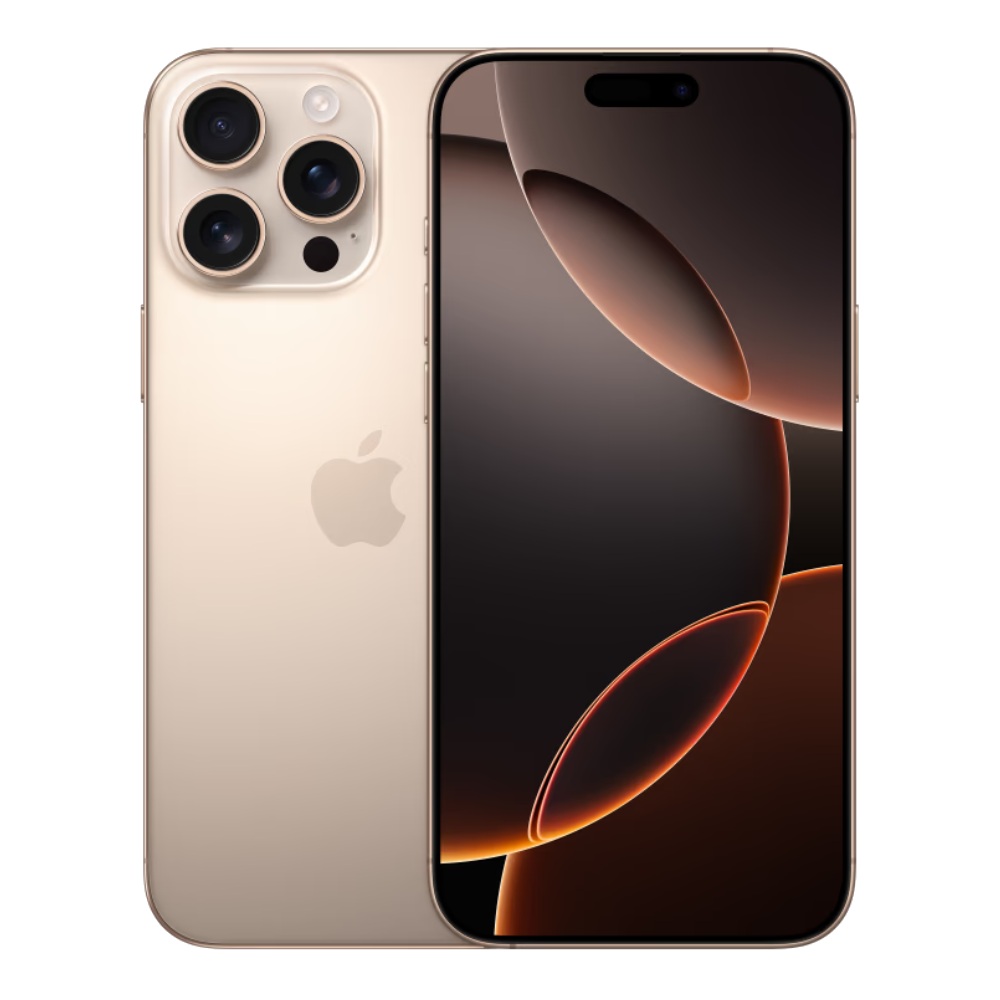
Choosing the right storage tier for a flagship smartphone is tricky, especially when Apple charges a steep markup to step up from the base model. If you're eyeing the iPhone 14 Pro 256GB, you're looking at the sweet spot of Apple's lineup—but figuring out if it's genuinely worth your cash requires looking past marketing hype and evaluating your actual daily habits.
The base 128GB model leaves very little room for error once system software and modern application sizes enter the equation. However, jumping straight to 256GB or higher means paying extra for space you might never touch. This breakdown examines the real cost of extra storage, how much usable space you actually get, and whether the 256GB tier makes sense for your workflow.
Understanding Real Usable Storage on the iPhone 14 Pro
When you buy a phone advertised with a certain capacity, you never get that exact amount. iOS, pre-installed system applications, and mandatory background assets consume a sizable chunk before you even download your first app.
- The 128GB Baseline: After system installation, you typically start with roughly 110GB to 115GB of truly free space.
- The 256GB Step-Up: You land closer to 235GB to 240GB of usable room, giving you more than double the functional headroom of the base tier.
That difference matters because modern apps and media files are bloated. A single mobile game can easily devour 3GB to 5GB. High-resolution photos taken on the 48-megapixel main camera of the iPhone 14 Pro take up significantly more room than older 12-megapixel shots. If you rely heavily on offline media cache for flights or commutes, a 128GB device fills up faster than you might expect.
The Real Cost of Extra Storage vs. Cloud Alternatives
Apple's pricing structure for internal storage has always carried a heavy premium. The financial penalty for running out of space later is high because you can't open up an iPhone and swap in a larger flash drive. You're locked into whatever you buy on day one.
To determine if the extra cost is justified, compare it against cloud storage alternatives like iCloud+:
- The Upfront Price Gap: The price delta between 128GB and 256GB models historically sits around $100 brand-new, though secondhand and refurbished markets scale the difference based on condition and supply.
- The Cloud Subscription Model: Upgrading your iCloud storage to 200GB or 2TB costs a monthly fee. Over two or three years of phone ownership, that subscription cost can approach or exceed the price gap of buying larger internal storage.
- Convenience and Speed: Cloud storage relies entirely on internet connectivity. Accessing offloaded photos or large cached video files in areas with poor cellular reception leads to frustrating load times. On-device storage is always instantly accessible.
Who Actually Needs the 256GB Model?
Not everyone requires extra gigabytes. Your usage style dictates whether the 256GB configuration is a smart investment or a waste of money.
Light to Moderate Users
If you stream your music through Spotify or Apple Music, watch shows on Netflix without downloading whole seasons offline, and mostly use your phone for messaging, social media browsing, and casual snapshots, the base 128GB model can easily suffice. You won't struggle with capacity unless you keep years of old text message attachments and forgotten video clips sitting in your gallery.
Power Users and Content Creators
If you record regular videos in 4K, experiment with Apple's ProRes format, or keep heavy games installed alongside massive local music libraries, 128GB is a bottleneck. ProRes video alone consumes roughly 1.7GB per minute for 10-bit HDR content. Filling a 128GB phone happens within months under those conditions. For anyone who uses their phone as a primary media creation tool, 256GB is the mandatory floor.
Long-Term Resale Value and Aging
Smartphones stay in circulation much longer today. People routinely keep devices for four to five years. Apps grow heavier over time, operating system updates demand more resources, and your personal photo and video archives naturally expand every month.
A 128GB phone purchased today is much more likely to hit a storage wall by year three than a 256GB model. Furthermore, when the time comes to sell or trade in your device, higher-tier storage configurations frequently hold their trade-in value better because buyers on the secondary market actively avoid base-model constraints.
Frequently Asked Questions
Can I upgrade the storage on an iPhone 14 Pro later?
No. Apple devices feature soldered internal storage chips. It's physically impossible to upgrade or swap internal flash storage after purchase, making your initial capacity choice permanent.
Does shooting in 48-megapixel ProRAW fill up storage fast?
Yes. Standard HEIC photos are compressed and small, but ProRAW images can easily exceed 75MB per photo. If you shoot exclusively in ProRAW, even a 256GB drive fills up much faster than normal.
Is 256GB enough if I back everything up to iCloud?
Yes. If you enable "Optimize iPhone Storage" in your settings, full-resolution photos and videos move to the cloud while smaller device-optimized thumbnails stay locally, saving immense amounts of space.
Does the 256GB iPhone 14 Pro perform faster than the 128GB version?
No. The core processing speed, RAM allocation (6GB), and chip architecture remain identical across both storage tiers. The only difference is raw capacity.



