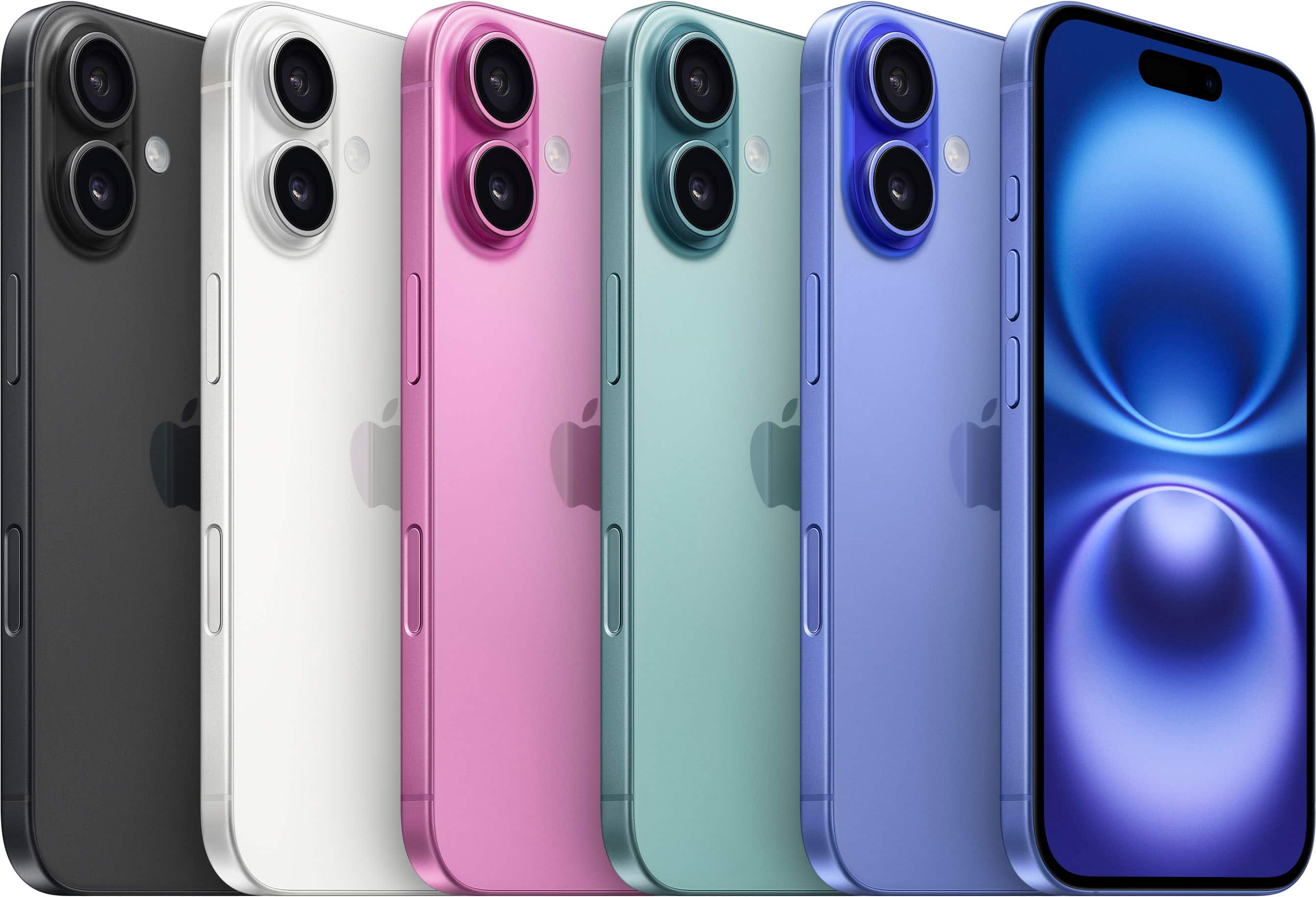
Choosing between the Apple iPhone 13 and the Huawei Mate 50 Pro means weighing two distinct philosophies in mobile engineering. The iPhone 13 relies on streamlined software integration, long-term ecosystem support, and the efficient A15 Bionic chip. Meanwhile, the Huawei Mate 50 Pro pushes hardware boundaries with a versatile variable-aperture camera system, a smooth 120Hz curved OLED display, and rapid 66W wired charging.
Performance, camera versatility, and daily usability differ significantly between these devices. The iPhone 13 offers a reliable pocket-friendly footprint and seamless iOS integration, whereas the Mate 50 Pro appeals to hardware enthusiasts who want fast charging and an expansive screen, though it lacks native Google Mobile Services. This breakdown looks past basic spec sheets to help you determine which phone fits your workflow.
Design and Build Quality
Physical dimensions and materials set the tone before you even power on either screen.
- iPhone 13: Features a compact 6.1-inch form factor with flat aluminum edges and Apple's durable Ceramic Shield front glass. It weighs just 174 grams, making it comfortable for one-handed use.
- Huawei Mate 50 Pro: Built around a larger 6.74-inch curved OLED panel, weighing 205 to 209 grams depending on the back finish. It features Kunlun Glass protection and comes in distinct textures like orange vegan leather.
Both phones carry an IP68 water resistance rating, meaning they survive accidental submersion. However, the iPhone 13 feels nimble and pocketable, while the Mate 50 Pro demands two hands for comfortable navigation.
Display Performance
Screen technology highlights a major divergence in user experience.
The iPhone 13 sticks with a standard 60Hz refresh rate on its Super Retina XDR OLED display. Colors look vibrant and peak brightness hits 1200 nits under direct sunlight, but scrolling lacks the fluid motion found on modern high-refresh panels.
Huawei counters with a 120Hz refresh rate on a high-resolution 1212 x 2616 pixel curved display. Animations, web browsing, and supported mobile games feel noticeably smoother. If display fluidity drives your purchasing decision, Huawei wins this round comfortably.
Core Processing and Performance
Under the hood, both chips deliver high-end muscle, though they manage workloads differently.
- Apple A15 Bionic (iPhone 13): Features a 6-core CPU paired with a 4-core GPU. It handles heavy multitasking, gaming, and video editing smoothly without thermal throttling.
- Qualcomm Snapdragon 8+ Gen 1 (Mate 50 Pro): An 8-core processor built for speed, paired here with 8GB of RAM.
While raw benchmark scores run close, real-world performance on the iPhone benefits from tight optimization inside iOS. Apps open instantly, and Apple's long-term software update cycle ensures the device stays relevant for years. The Mate 50 Pro runs fast, but its 4G-only restriction on the Snapdragon chipset limits cellular data speeds compared to the 5G capabilities of the iPhone 13.
Camera Systems Compared
Photography is where these flagships take entirely different paths.
+--------------------+----------------------------------+----------------------------------+
| Feature            | Apple iPhone 13                  | Huawei Mate 50 Pro               |
+--------------------+----------------------------------+----------------------------------+
| Main Sensor        | 12MP (f/1.6, sensor-shift OIS)   | 50MP (f/1.4-f/4.0 physical aperture)|
| Secondary Sensor   | 12MP Ultra-wide (f/2.4)          | 13MP Ultra-wide (f/2.2)          |
| Telephoto          | None (Relies on digital crop)    | 64MP Periscope (3x optical zoom)   |
| Front Camera       | 12MP TrueDepth                   | 13MP Ultra-wide + 3D Depth       |
+--------------------+----------------------------------+----------------------------------+
The iPhone 13 relies on two dependable lenses. Its sensor-shift stabilization and Smart HDR 4 capture clean, balanced photos with minimal effort. It remains a favorite for casual point-and-shoot users and reliable 4K video recording.
The Mate 50 Pro introduces a physical variable aperture that shifts from f/1.4 to f/4.0, letting you control natural depth of field and low-light light intake manually or automatically. Coupled with a 64MP periscope telephoto lens providing 3x optical zoom, it outclasses the iPhone in zoom range and hardware flexibility.
Battery Life and Charging Speeds
Power management is another area with stark contrasts.
The iPhone 13 houses a modest 3,240 mAh battery, yet achieves solid longevity thanks to iOS efficiency, routinely lasting a full day of mixed use. Charging tops out at 20W wired and 15W via MagSafe wireless.
The Mate 50 Pro packs a larger 4,700 mAh battery paired with rapid 66W wired SuperCharge and 50W wireless charging. It refuels from zero to full in under an hour, whereas the iPhone takes significantly longer to reach maximum capacity.
Software Ecosystems and Limitations
Software often dictates whether a phone works for your daily routine.
- Apple iOS: Provides a secure, tightly integrated ecosystem with seamless access to the App Store, iCloud, and regular updates.
- Huawei EMUI / HarmonyOS: Offers extensive customization and smooth animations, but ships without native Google Mobile Services. Using Gmail, Google Maps, or YouTube requires workaround solutions or web apps, which can frustrate users dependent on the Google ecosystem.
Frequently Asked Questions
Does the iPhone 13 support 5G?
Yes, the iPhone 13 features full 5G connectivity across global sub-6 GHz bands, ensuring fast mobile data speeds on supported carriers.
Can the Huawei Mate 50 Pro run Google apps?
The Mate 50 Pro does not come with pre-installed Google Mobile Services. While third-party workarounds exist, accessing native Google apps requires extra configuration.
Which phone has better battery charging speeds?
The Huawei Mate 50 Pro charges much faster, supporting 66W wired charging compared to the iPhone 13's 20W limit.
Is the iPhone 13 camera better for video?
Yes, the iPhone 13 excels in video recording stability, audio capture, and Dolby Vision HDR integration, making it a standard choice for mobile videographers.


