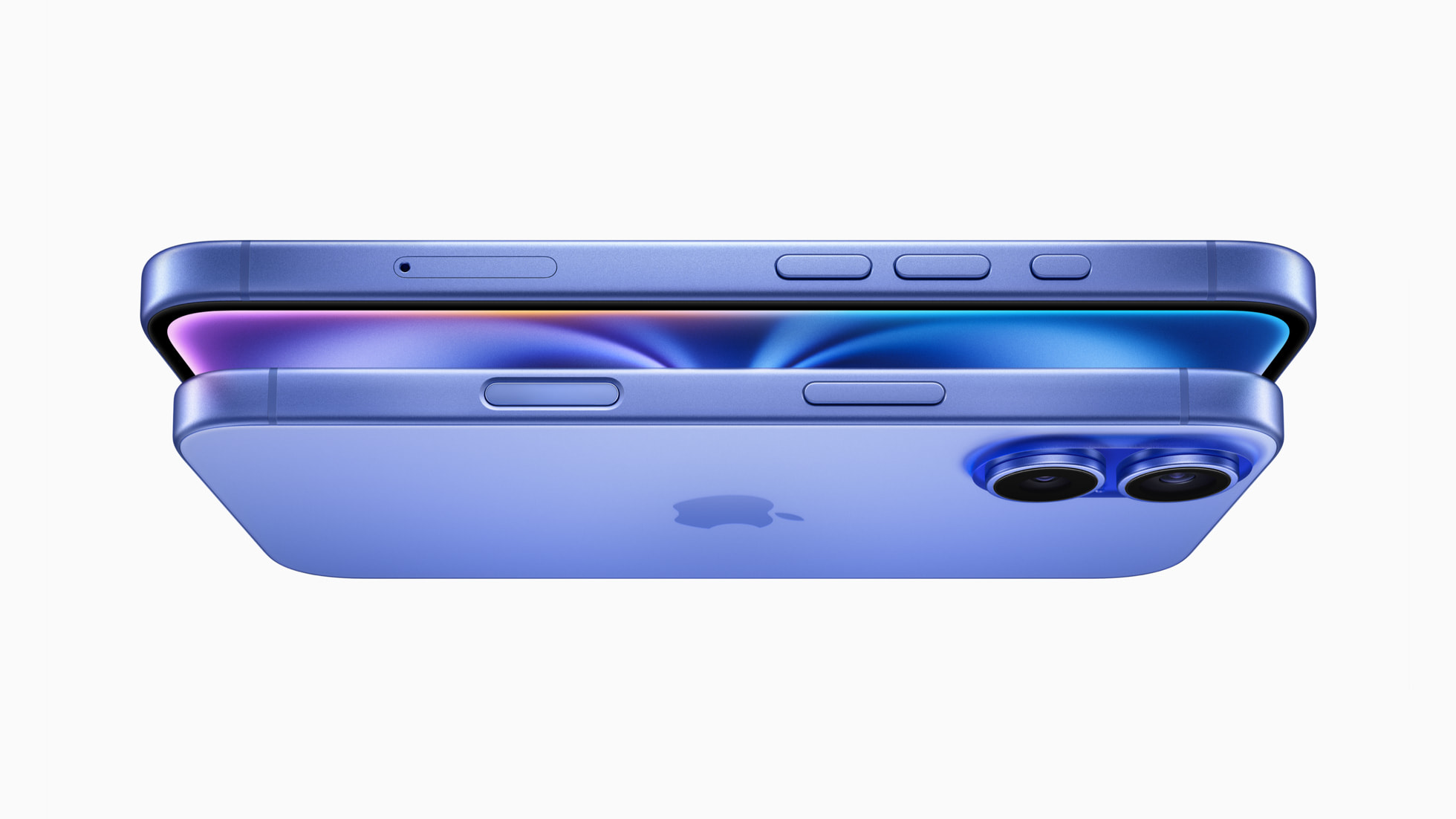
When Apple introduced Starlight to the lineup, it replaced traditional silver and stark white with a softer, hybrid tone. If you are wondering what iPhone 13 Starlight looks like in person, it is a nuanced warm silver that shifts between a pale champagne, creamy off-white, and brushed aluminum depending on the surrounding light. It is not a sterile, digital white, nor is it a heavy grey.
Understanding how this specific shade behaves under different lighting conditions helps clear up the confusion caused by glossy promotional renders. This guide breaks down the physical properties, lighting shifts, and practical considerations of Apple's popular neutral finish.
The Physical Makeup of Starlight
Apple builds the Starlight finish using a multi-step anodization process on its aerospace-grade aluminum edges, paired with a color-infused glass back panel. Rather than laying down a flat coat of paint, the process creates a micro-textured surface that reflects ambient environment light.
- The Glass Back: The rear glass leans heavily toward a pearl white or ivory tone. In low light, it looks clean and light, but it avoids the stark, blinding brightness of the pure white iPhone 12.
- The Aluminum Frame: The matte metal rails on the sides feature a subtle champagne-silver tint. They pull a bit warmer than the stainless steel frames found on Pro models, matching the softer personality of the base.
- The Overall Vibe: Most users describe it as a versatile neutral that blends modern minimalism with a soft, organic warmth.
How Lighting Changes the Look
One of the most fascinating aspects of this finish is its chameleon-like quality. The device rarely looks identical in two different rooms. Further reporting on this trend has been published by BBC.
Under bright, cool fluorescent office lights or direct midday outdoor sunlight, the phone leans into its silver and light grey heritage. The cool notes dominate, making the device look sleek, industrial, and clean.
Conversely, when you bring the device indoors under warm incandescent bulbs or soft yellow LED lighting, subtle gold and peach undertones emerge. The back glass can take on an almost creamy, bone-white appearance, losing its stark silver edge entirely. This shift is why some buyers unboxing their packages feel surprised—the phone adapts to its environment rather than holding a rigid, single shade.
Starlight vs. Traditional White and Silver
If you have owned older Apple devices, comparing Starlight to past iterations clarifies what to expect.
Unlike the pure white iPhone 11 or 12, Starlight drops the clinical blue undertones. It trades them for a softer, organic warmth. It is also distinctly lighter than the classic "space gray" or standard silver lines, lacking the dark industrial contrast of those models.
When placed side-by-side with Midnight (Apple's near-black alternative), Starlight functions as its visual opposite. Midnight absorbs light and emphasizes shadows, while Starlight diffuses light and minimizes the appearance of everyday fingerprint smudges.
Practical Considerations for Buyers
Choosing a neutral color involves more than just aesthetics; it impacts daily usability and long-term wear.
- Fingerprint Resistance: Because of its light reflectance, smudge marks and skin oils remain far less visible on the Starlight glass back compared to darker choices like Midnight or Product(RED).
- Case Compatibility: The light, neutral border pairs effortlessly with almost any transparent, leather, or silicone case color without clashing.
- Resale Value: Neutral tones historically maintain strong resale value because they appeal to a wider audience of buyers who prefer understated electronics. You can track device specifications directly through Apple Support if you are verifying model details.
Common Mistakes When Choosing Starlight
Many buyers make assumptions based entirely on online images or promotional videos. Here are a few pitfalls to avoid:
- Expecting a gold phone: Do not mistake Starlight for gold or rose gold. The warm undertones are very subtle; it remains fundamentally a light silver-white hybrid.
- Expecting a stark white phone: If you want a blinding, clean hospital-white device, you may find Starlight too creamy or warm.
- Ignoring case framing: Remember that a dark case will completely cover the back glass, leaving only the camera bump and front bezel exposed, which changes how much of the color you actually see daily.
Frequently Asked Questions
Is iPhone 13 Starlight considered silver or white?
It sits right in the middle. It is officially a warm silver, but visually reads as an off-white, pearl, or champagne tint depending on the light.
Does the Starlight color scratch easily?
The physical color is embedded in the anodized aluminum and glass, meaning it cannot chip off like paint. However, hairline scuffs can show up against the light finish over time if used without a case.
Does Starlight look yellowish?
Under very warm indoor lighting conditions, the subtle warm undertones can give off a faint cream or ivory impression, but it never appears genuinely yellow.
Which color shows fewer fingerprints?
Starlight is exceptional at hiding smudges and dust compared to darker finishes like Midnight, making it a favorite for people who prefer using their phone naked without a case.
How can I verify my iPhone color?
You can check your official device configuration details by navigating to Settings, selecting General, and tapping About, or by cross-referencing your box serial number on the Apple Support portal.



