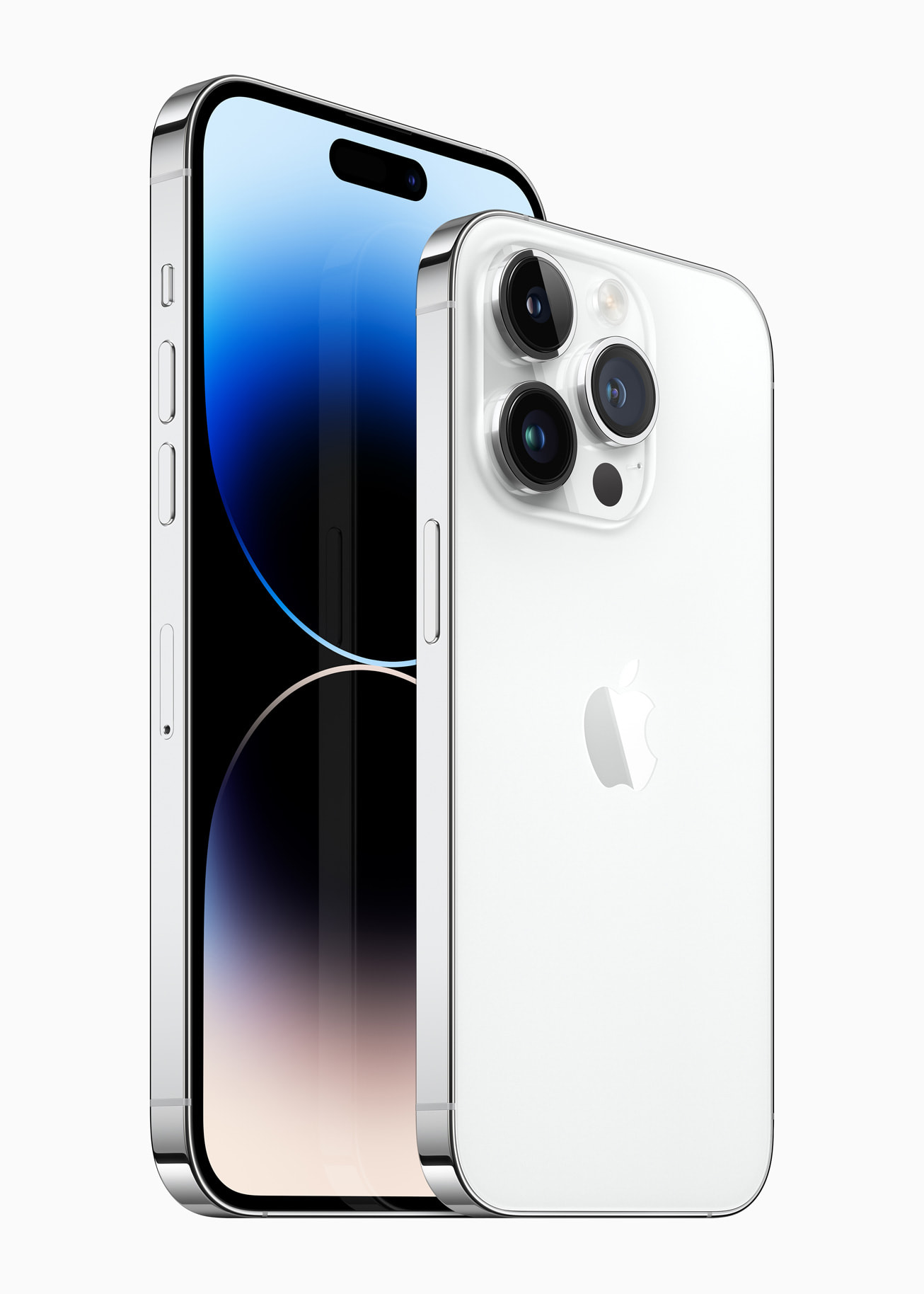
Buying a used or refurbished flagship phone often feels like a gamble. You weigh savings against the creeping fear of software obsolescence and dying hardware. If you're eyeing the iPhone 12 Pro Max today, you aren't looking for cutting-edge novelty. You want to know if a 2020 powerhouse can still handle daily life without stuttering, draining its battery by noon, or feeling ancient compared to modern releases.
The short answer is yes, with a few clear catches regarding battery degradation and software feature cutoffs. Let's break down how Apple's former titan holds up across performance, build quality, camera output, and everyday value.
Design and Build Quality: Stainless Steel and Ceramic Durability
When Apple introduced the flat-edge design language with the iPhone 12 family, it marked a sharp departure from the curved chassis of the iPhone 11 generation. The iPhone 12 Pro Max features surgical-grade stainless steel sides paired with a textured matte glass back. It's a heavy phone—tipping the scales at 228 grams—and its boxy profile means it digs into your palm more than rounded competitors do.
Durability, however, remains one of its strongest selling points. The front display features Apple's Ceramic Shield, which dramatically improved drop resistance over older models. Years of real-world use show that while the stainless steel band picks up fine micro-scratches easily (especially on the polished silver and gold finishes), the structural integrity of the frame holds firm against accidental drops.
Water resistance is rated at IP68, meaning it can survive submersion up to six meters for thirty minutes. If you pick up a secondhand unit, check the physical condition of the camera lens glass and the lightning port, but don't worry too much about the core chassis wearing out. It's built like a tank, even if it feels like one in your pocket.
Display and Daily Performance
The 6.7-inch Super Retina XDR OLED display remains a massive selling point. With a resolution of 2778 by 1284 pixels and peak outdoor brightness reaching up to 1200 nits, text looks crisp, blacks are absolute, and HDR content pops. The glaring omission for modern buyers is the lack of a 120Hz ProMotion refresh rate. If you're coming from a newer phone with a high refresh rate display, the 60Hz limit on the iPhone 12 Pro Max will feel noticeably jittery for the first few hours. Once your eyes adjust, the panel remains entirely pleasant for media consumption and reading.
Under the hood runs the Apple A14 Bionic chip paired with 6GB of RAM. The 5-nanometer processor handles everyday tasks effortlessly. Multitasking, switching between resource-heavy apps, navigating maps, and scrolling social media feeds happen without stutter.
Where you notice the aging silicon is in heavy 3D gaming or advanced computational photography tasks. While demanding titles run fine, sustained gaming sessions cause the stainless steel frame to dissipate heat directly into your hands, triggering thermal throttling that pulls down frame rates. For standard productivity, messaging, and streaming, the A14 still punches well above its weight class.
Camera Capabilities in the Modern Era
The triple 12MP camera array on the iPhone 12 Pro Max includes a wide, an ultra-wide, and a 2.5x telephoto lens, supported by a LiDAR scanner for depth mapping. At its release, it dominated mobile photography. How does it stack up against newer multi-lens systems?
In daylight, the images are remarkably sharp, featuring accurate skin tones and great dynamic range thanks to Smart HDR 3. The main sensor features sensor-shift optical image stabilization, which helps keep low-light shots steady. However, low-light performance suffers from heavy lens flare and "ghosting" when streetlights hit the glass at night—an artifact of Apple's lens coatings from that generation.
The 2.5x optical zoom feels restrictive compared to modern 5x periscope lenses, and the fixed macro capabilities found on newer iPhones are entirely absent here. Video recording, on the other hand, remains stellar. The device supports 4K recording at 60fps and Dolby Vision HDR capture, making it a reliable tool for casual creators and video bloggers who don't need cinematic focus-pulling modes.
Battery Life and Longevity Realities
Battery longevity depends entirely on how the previous owner treated the device. Out of the box, the 3,687 mAh battery easily delivered a full day of heavy use, often stretching into a comfortable day-and-a-half for moderate users.
If you buy a refurbished unit today, check the maximum battery capacity in the iOS settings menu. Anything below 85% health will struggle to get you through an entire day without a top-up, especially on 5G networks. Replacing the battery through an authorized service provider is relatively inexpensive and instantly restores the phone to its original endurance.
Software support is another critical vector. Apple continues to include older flagships in its annual iOS rollout updates, but hardware limitations mean that advanced artificial intelligence features (like Apple Intelligence suite tools) are entirely unsupported due to the lack of a capable Neural Engine core architecture present in newer chips. If you just want standard iOS features, security patches, and app compatibility, you'll be covered for several more years.
Common Mistakes When Buying a Used iPhone 12 Pro Max
Navigating the secondhand market requires vigilance. Avoid these frequent pitfalls to ensure you get a reliable device:
- Skipping the carrier lock check: Always verify that the device is factory unlocked before purchasing, otherwise you might be locked to a specific network provider with unpaid installment balances.
- Ignoring third-party parts warnings: Go to Settings, General, and About to check if the phone displays important display or battery service messages indicating non-genuine replacement components were installed.
- Overpaying for low storage: Avoid the 128GB base model if you shoot a lot of 4K video or cache offline media, as app sizes have ballooned significantly. Look for 256GB variants for long-term breathing room.
- Neglecting water resistance seals: Once a phone is opened for repairs, its factory IP68 rating is compromised. Do not submerge a refurbished device in water.
Frequently Asked Questions
Does the iPhone 12 Pro Max support 5G?
Yes, it features full sub-6GHz and mmWave 5G connectivity. Keep in mind that streaming heavy data over 5G drains the battery faster than using Wi-Fi or LTE, so you may want to enable Smart Data Mode to optimize power usage.
Will the iPhone 12 Pro Max stop getting software updates soon?
Apple typically supports iPhones for roughly seven years from their initial release date. While it will continue to receive security patches and core system updates, it misses out on heavy machine-learning features found on newer devices.
Is the camera still good enough for social media content?
For standard photos, reels, and TikTok videos, the camera is more than capable. Dynamic range and video stabilization are strong, though ultra-low-light shots and extreme zoom capabilities fall short of current flagships.
How much should I pay for a refurbished unit?
Pricing fluctuates based on cosmetic grade and battery health, but a clean, fully functional unit with decent battery capacity should cost significantly less than a mid-range budget phone, offering vastly superior build quality and performance for the price.



