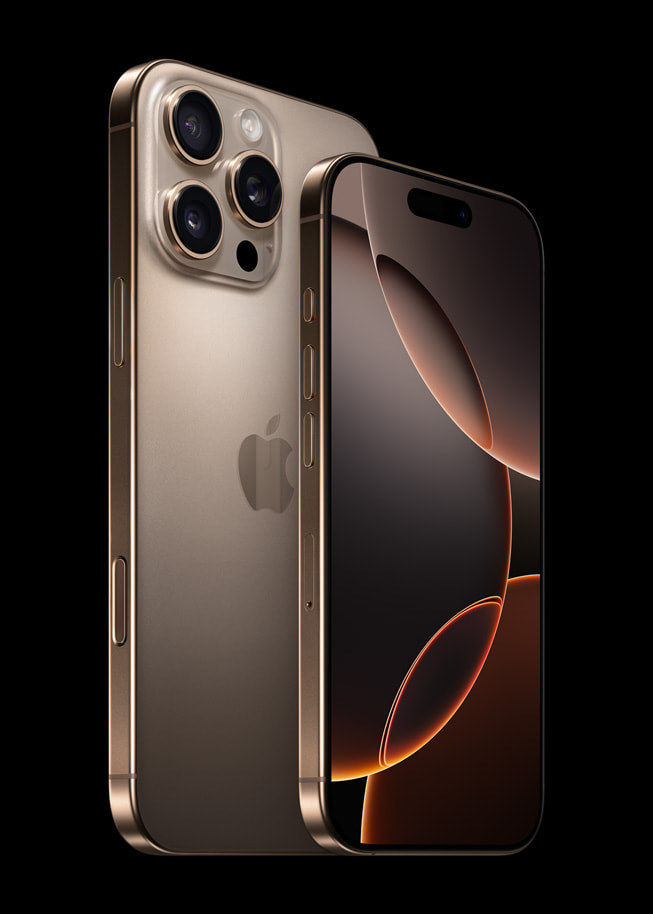
When Apple released the iPhone 12 Pro Max, it shifted expectations for what mobile sensors could achieve in demanding conditions. Rather than chasing inflated megapixel counts, Apple introduced a physical overhaul centered on a larger sensor, sensor-shift stabilization, and deep-integration computational photography. If you are trying to understand how this hardware stacks up for real-world shooting, you need to look past the marketing hype and examine how its physical components handle light, stabilization, and dynamic range.
The device relies on a primary wide sensor that is 47 percent larger than the one found in previous generations, paired with larger 1.7µm pixels. This physical expansion lets the hardware capture significantly more light without instantly ramping up ISO noise. Combined with an f/1.6 aperture, the primary camera excels in low-light environments where older smartphones struggle to maintain sharpness and shadow detail.
Understanding the Core Camera Hardware
To evaluate the iPhone 12 Pro Max for serious photography, you have to break down its three distinct rear lenses and the support systems driving them.
The primary wide camera features a 26mm equivalent focal length with an f/1.6 aperture. This is where you find the large 12-megapixel sensor and the introduction of sensor-shift optical image stabilization. Instead of moving the entire lens assembly to compensate for hand jitter, the phone moves the actual sensor itself thousands of times per second. This mechanics-heavy approach allows for longer exposure times handheld, keeping night shots clean. For another angle on this story, check out the recent coverage from Gizmodo.
The ultra-wide camera uses a 13mm equivalent focal length with an f/2.4 aperture and a 120-field of view. While it lacks the physical sensor-shift stabilization of the main camera, it supports Night Mode processing across the pipeline, reducing the muddy textures common in older ultra-wide mobile captures.
The telephoto camera offers a 65mm equivalent focal length, delivering a 2.5x optical zoom relative to the ultra-wide lens, or roughly a 5x total optical zoom range across the entire system. While this tighter reach is great for portraits and compressed landscapes, it has a narrower f/2.2 aperture and relies on traditional lens-based stabilization rather than sensor-shift.
The Role of LiDAR and Computational Speed
Beyond glass and silicon sensors, the LiDAR scanner on the back of the phone fundamentally changes how the camera focuses in tricky lighting. LiDAR measures depth by calculating how long it takes invisible light pulses to bounce off a subject.
In practical terms, this means the phone doesn't have to hunt for contrast edges when you're shooting in dim bars, alleys, or evening streets. Autofocus speeds in low light increase dramatically, and Portrait Mode edges around hair and clothing items suffer from fewer separation errors because the device has an accurate depth map instantly available.
Apple's A14 Bionic chip handles the heavy lifting behind the shutter. Deep Fusion and Smart HDR 3 analyze multiple exposures simultaneously, balancing blown-out highlights in the sky while pulling detail out of dark shadows before you even preview the image.
Harnessing Apple ProRAW for Editing
For photographers who want absolute control over exposure, white balance, and noise reduction, the inclusion of Apple ProRAW is the most important feature on the device.
Standard smartphone photos are saved as heavily processed JPEGs or HEICs where the software bakes in noise reduction, sharpening, and tone mapping automatically. Third-party apps could shoot raw files previously, but they missed out on Apple's multi-frame computational data like Smart HDR.
Apple ProRAW bridges that gap by packing the multi-frame processing benefits into a standard DNG container. When you edit a ProRAW file in apps like Lightroom or Adobe Photoshop, you retain standard raw editing latitude—such as recovering shadow details or shifting white balance—while keeping the clean noise reduction and wide dynamic range engineered by Apple.
Common Mistakes in Mobile Photography
Even with advanced hardware, several common habits prevent mobile photographers from getting the cleanest possible output from this device:
- Relying entirely on digital zoom past the native optical focal lengths, which degrades edge sharpness and introduces digital artifacts.
- Ignoring the exposure slider in high-contrast scenes; letting the phone auto-expose bright skies often plunges foreground subjects into heavy silhouettes.
- Shooting fast-moving subjects in absolute pitch darkness without stabilizing your stance, expecting Night Mode to freeze motion when it actually requires a steady hand for multi-second exposures.
- Forgetting to clean the physical camera lenses, which leads to unwanted light streaks and hazy artifacts when streetlights or the sun hit the glass at an angle.
Frequently Asked Questions
Does the iPhone 12 Pro Max shoot in true optical zoom?
Yes, the phone features physical optical lenses at 13mm (ultra-wide), 26mm (wide), and 65mm (telephoto). Anything between or beyond those focal lengths relies on digital cropping or hybrid blending.
What is the advantage of sensor-shift stabilization over regular OIS?
Sensor-shift stabilization stabilizes the actual image sensor rather than the lens elements. Because the sensor is lighter and moves on a wider axis, it can compensate for higher-frequency hand shakes, resulting in sharper low-light images and steadier video footage.
Can I shoot Apple ProRAW inside the native camera app?
Yes, once you enable ProRAW in your iOS settings under Camera formats, you can toggle the RAW icon directly on or off inside the native camera viewfinder interface.
Does the telephoto lens support Night Mode?
No, Night Mode works exclusively on the wide and ultra-wide cameras. If you zoom in to the 65mm telephoto lens in extremely dark environments, the phone may digitally crop the main sensor instead to preserve light gathering capability.



