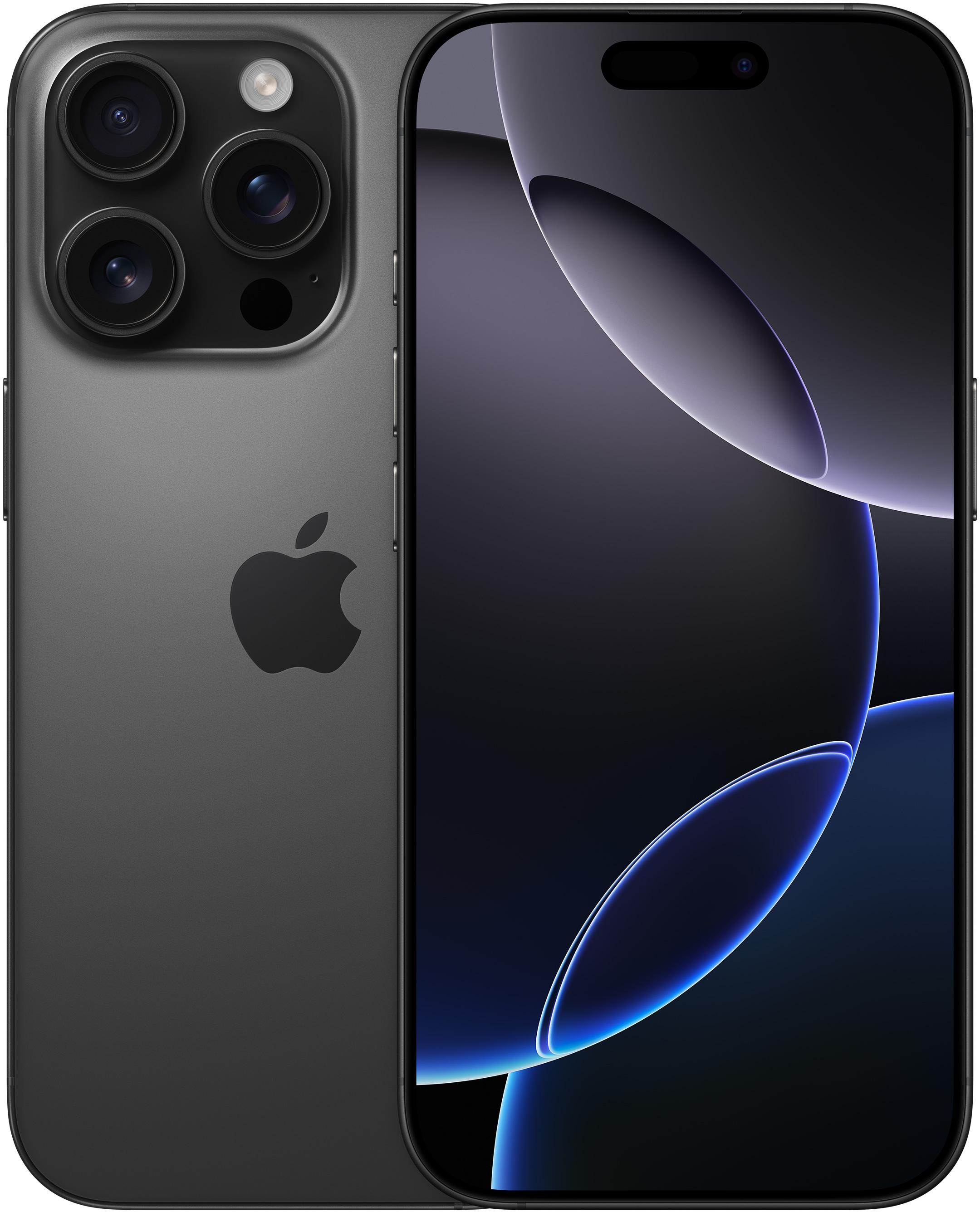
Apple launched the iPhone 12 Mini to answer a vocal corner of the internet that begged for a pocket-friendly, one-handed flagship. Instead of a triumph, it became a commercial cautionary tale. Apple quietly phased out the form factor after just two generations, replacing it with larger "Plus" and "Slim" variants that aligned better with global consumer habits.
The primary driver behind the cancellation was straightforward market economics: weak sales. While a passionate online community championed the 5.4-inch device, general buyers voted with their wallets for larger screens, better battery endurance, and media consumption space.
The Core Problem: Low Global Demand
When the iPhone 12 Mini arrived alongside its larger siblings, initial excitement masked a sluggish underlying sales curve. Market research firms consistently reported that the Mini accounted for a tiny fraction of total iPhone 12 series sales during its launch window.
Several factors contributed to this lukewarm reception:
- Cannibalization by the iPhone SE: Buyers looking for a budget-friendly or smaller Apple device often opted for the cheaper iPhone SE, which offered similar core performance at a lower price point.
- The Phablet Preference: Global smartphone trends shifted permanently toward larger displays years prior. Consumers treat phones as primary media consumption hubs, favoring screen real estate over pocketability.
- Regional Disparities: Markets like North America and Europe showed slightly higher interest in compact phones, but critical growth regions in Asia heavily favored large-screen devices, making a global production line less financially viable for Apple.
Battery Compromises and Hardware Constraints
Shrinking a high-end smartphone into a 5.4-inch chassis required major engineering compromises. Physics dictated that a smaller body left very little room for a physical battery cell.
The iPhone 12 Mini offered noticeably shorter battery life compared to the standard iPhone 12 or Pro models. For heavy users relying on 5G connectivity—which is notoriously power-hungry—the device struggled to last a full day without a mid-day top-up. Reviewers and early adopters frequently cited battery anxiety as a dealbreaker, which word-of-mouth quickly amplified to mainstream buyers.
Furthermore, packing flagship internals like the A14 Bionic chip and dual-camera systems into a tight space created thermal management challenges. While the phone performed admirably under normal tasks, sustained heavy gaming or video rendering caused it to throttle performance faster than its larger counterparts.
Pricing and the Value Perception Trap
At launch, the iPhone 12 Mini started at $699, only $100 less than the standard 6.1-inch iPhone 12.
Many consumers reasoned that saving a modest amount of money wasn't worth losing significant screen space and battery capacity. In the smartphone market, buyers expect smaller devices to carry a lower price tag. Because Apple positioned the Mini as a size option rather than a budget tier, it landed in an awkward pricing middle-ground. It was too expensive for budget-conscious shoppers and too compromised for flagship buyers who wanted maximum specs.
How Apple Pivoted the Lineup
After attempting a second iteration with the iPhone 13 Mini, Apple permanently restructured its baseline lineup. They abandoned the sub-6-inch flagship category entirely.
Instead, Apple introduced the "Plus" size category with the iPhone 14 generation, offering a 6.7-inch screen inside a lightweight body for users who wanted maximum display area without paying Pro prices. This move confirmed that consumer demand leaned heavily toward scale, pushing compact high-end phones into historical artifact status.
You can read official product specifications directly on the Apple Support page or track broader industry shifts through CNET.
Frequently Asked Questions
Did Apple ever release a replacement for the iPhone 12 Mini?
No direct compact flagship replaced it. Apple pivoted toward larger screens, replacing the Mini slot in the lineup with larger Plus models that offered bigger displays and extended battery life.
Is the iPhone 12 Mini still supported by Apple?
Apple continues to provide iOS software updates for the device in line with its standard support lifecycle for the iPhone 12 generation, though new hardware production stopped years ago.
Was the iPhone 12 Mini a total failure?
It wasn't a total failure, as it developed a loyal niche fanbase. However, from a mass-production and profit-margin perspective for a trillion-dollar company, its sales volume did not justify keeping the manufacturing line active alongside high-demand models.


