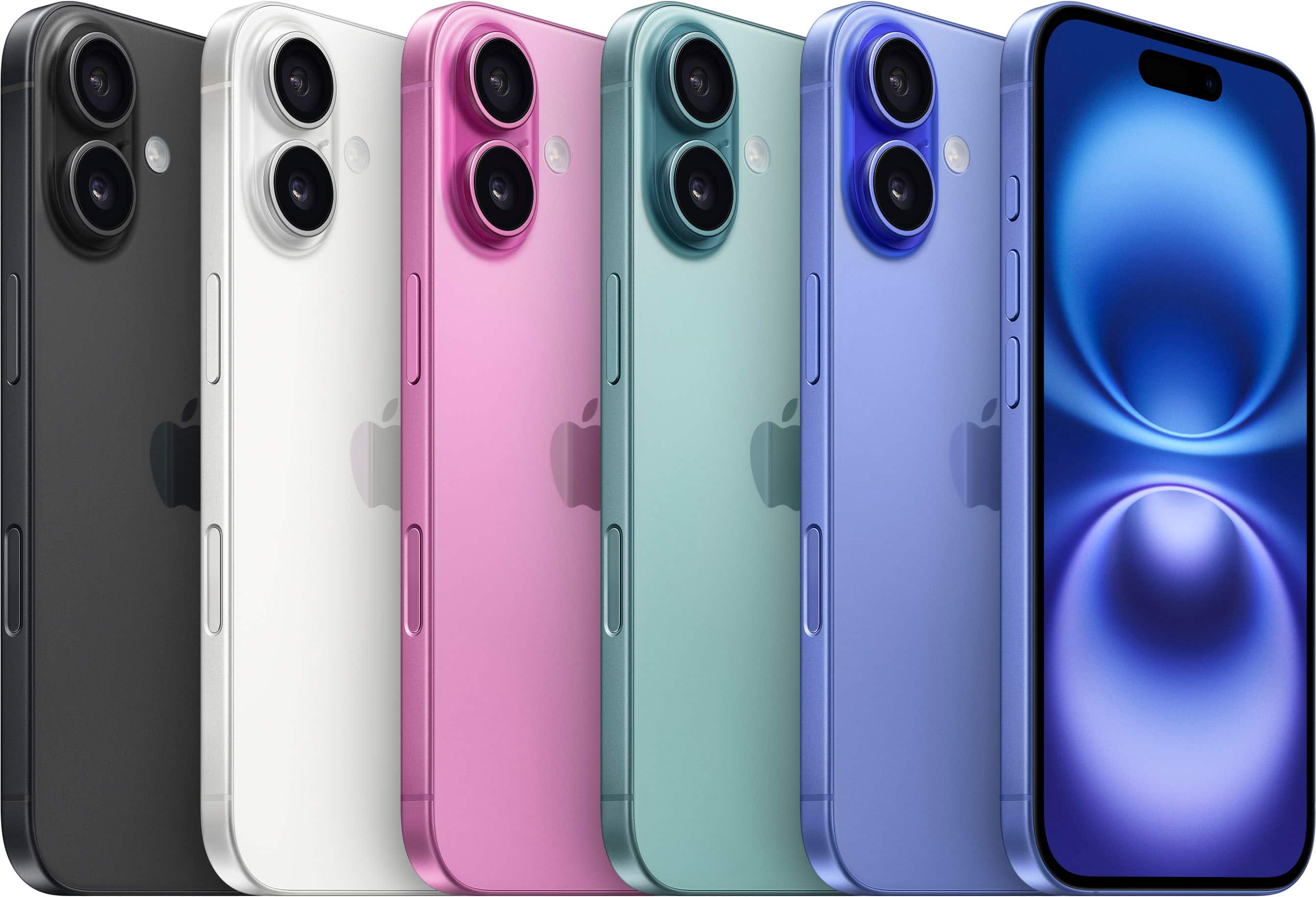
When Apple launched the iPhone 12 lineup, it marked the company's official entry into the 5G era. Competitors had deployed cellular modems a year or two prior, but Apple waited until carrier infrastructure and component efficiency reached critical mass. This transition changed how mobile software utilizes data, shifting baseline expectations for streaming, cloud processing, and tethering.
Understanding this shift requires looking past marketing claims to examine the actual hardware adjustments, network band variations, and trade-offs users experienced during the upgrade cycle.
The Technical Foundations of Apple's 5G Transition
Apple didn't just drop a 5G radio into an existing chassis; the internal architecture required a complete overhaul. Partnering with Qualcomm for custom silicon, the iPhone 12 specs incorporated both sub-6 GHz and mmWave capabilities depending on the regional model.
Sub-6 GHz bands cover broad geographic ranges with speeds comparable to fast LTE or moderate broadband, while mmWave frequencies deliver multi-gigabit throughput over very short, line-of-sight distances. US models shipped with a dedicated antenna cutout on the side for mmWave, whereas international variants relied exclusively on sub-6 GHz implementations based on local carrier deployments.
- Custom Antenna Design: Apple engineered bespoke antennas and radio frequency components to maintain slim industrial profiles without signal attenuation.
- Smart Data Mode: To mitigate the notorious battery drain associated with early cellular modems, iOS introduced a dynamic switching feature. The phone drops back to LTE when high-speed bandwidth isn't active, preserving longevity throughout the day.
- Modem Integration: The shift to advanced 5-nanometer chip architectures allowed the main processor to manage packet routing with minimal thermal overhead.
Real-World Performance and Network Realities
Early adopters quickly discovered that fifth-generation cellular service varied wildly by location and carrier. While urban centers with dense mmWave nodes posted astonishing speed test numbers, suburban and rural users often saw performance matching optimized LTE networks.
The primary benefit during the initial rollout wasn't necessarily raw download speed, but network capacity. In congested areas like transit stations or stadiums where older 4G towers routinely choked, the wider channels kept data pipelines open.
However, users faced distinct operational compromises:
- Battery Consumption: Streaming heavy media or running hotspot sessions over cellular links drained power faster than on previous hardware generations.
- Thermal Output: Intensive data tasks combined with poor signal reception caused devices to warm up as radios worked overtime to maintain a lock on distant towers.
- Coverage Gaps: Transition zones where phones bounced between weak high-frequency nodes and stable anchor bands created brief connection drops.
Software Optimization for Faster Networks
Hardware changes alone didn't define the era; Apple updated iOS features to leverage higher throughput natively. FaceTime received support for high-definition video streaming over cellular connections, and system updates could finally be downloaded directly over mobile networks without requiring a Wi-Fi connection.
Developers also updated media applications to stream higher-fidelity assets dynamically. Cloud backup routines, background photo synchronization, and remote gaming platforms began treating cellular pipes as primary connections rather than metered fallbacks.
Common Misconceptions About Early 5G iPhones
A variety of myths circulated when these devices hit the market, leading to consumer confusion over what the new radios could actually accomplish.
- Myth: 5G replaces home internet entirely. While speeds are high, data caps, latency fluctuations, and signal obstruction through building materials keep fixed-line broadband superior for heavy household use.
- Myth: All models support all networks globally. Regional hardware differences meant US variants included mmWave cutouts that European and Asian versions omitted entirely, making imported devices less versatile.
- Myth: Leaving 5G enabled all day is free. Even with Smart Data switching, maintaining background registration on next-gen towers consumes slightly more energy than locking a device strictly to LTE.
Frequently Asked Questions
Did the first 5G iPhones require a new SIM card?
Most existing carrier SIM cards worked for basic connections, but accessing standalone 5G features and local carrier optimizations often required a modern SIM card or direct activation via eSIM.
Why did US models look different from international versions?
US units featured a visible plastic window on the right frame to let high-frequency mmWave signals pass through the aluminum chassis, a requirement driven by domestic carrier rollouts that didn't apply elsewhere.
How did Smart Data Mode preserve battery life?
The operating system analyzed background tasks in real time. If an app was just checking email or text messages, it stayed on LTE to conserve power, only spinning up fast radios when downloading large files or streaming video.
Can these legacy devices still run modern network protocols?
Yes, hardware designed for the initial transition continues to support modern standalone network upgrades, though newer chipsets offer improved energy efficiency and broader band aggregation.



