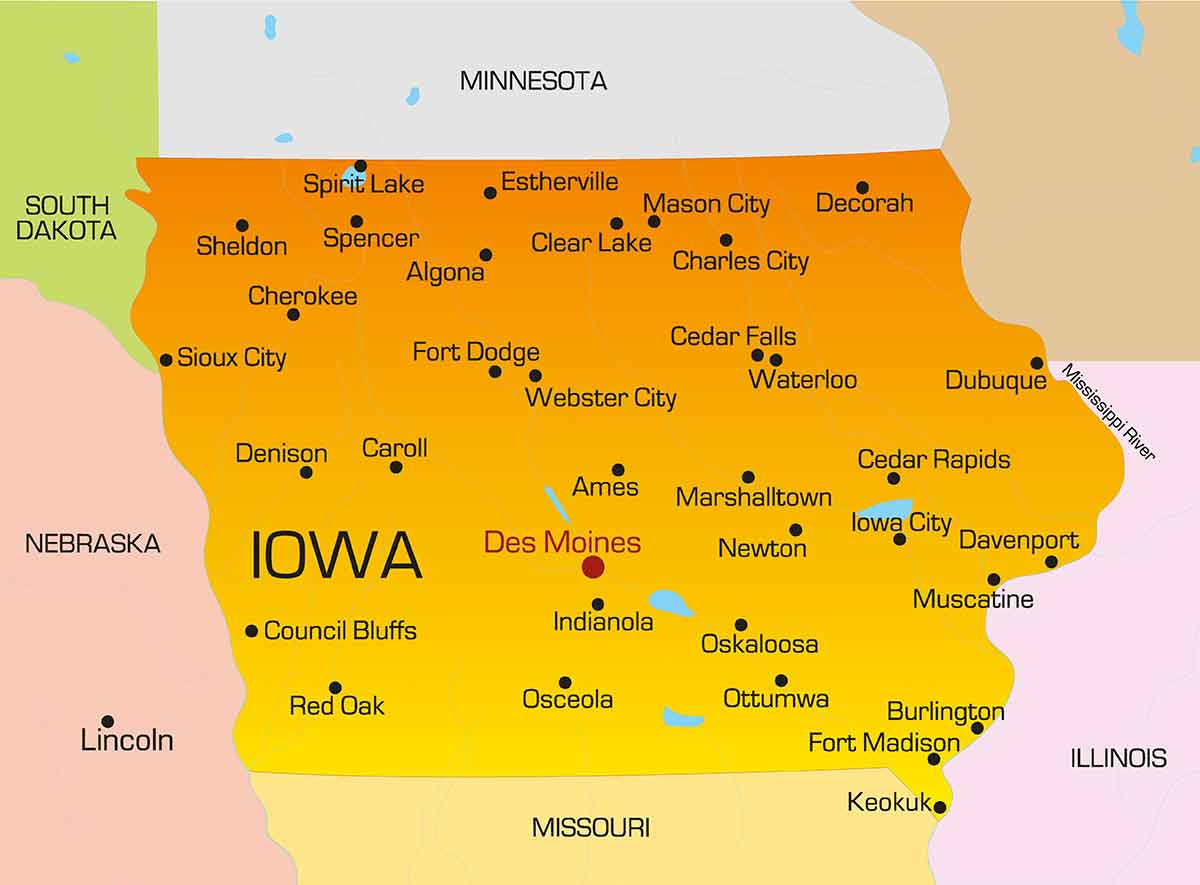
When the morning sun crests over the Mississippi River, it hits two states that share a single heartbeat on the clock. Iowa and Missouri operate entirely within the Central Time Zone, anchoring a massive portion of the American Heartland. While modern digital synchronicity makes time feel universal, the practical rhythm of life here remains deeply tied to physical geography, agricultural seasons, and the historical legacy of railroad standardization. Understanding how this specific offset shapes daily existence reveals a lot about the culture, commerce, and pacing of the Midwest.
The Central Time Zone places these states six hours behind Coordinated Universal Time (UTC-6) during standard months and five hours behind (UTC-5) when Daylight Saving Time is active. This positioning creates a distinct temporal bracket for everything from local grain markets and livestock auctions to school schedules and prime-time television broadcasts. Rather than just being a line on a map, local time influences when combine engines fire up before dawn, when small-town Main Streets shutter their doors, and how regional supply chains interface with both coasts.
The Roots of Heartland Time Synchronization
Before the late nineteenth century, time was entirely local. Every town in Iowa and Missouri set its clocks by the local solar noon, meaning a traveler moving west by train would find clocks differing by mere minutes from one county seat to the next. This created logistical chaos for railroad operators trying to prevent head-on collisions on single tracks.
The introduction of standard railway time in 1883 forced a collective adjustment, eventually codified by federal law through the Standard Time Act of 1918. For the Heartland, adopting Central Time meant aligning civic life with industrial efficiency.
- Railroad coordination: Freight lines running between Chicago and Omaha relied on uniform scheduling to move grain and livestock eastward.
- Agricultural pacing: Farmers synchronized their harvest windows with regional grain elevator operating hours, which were strictly bound to standard clock times.
- Industrial shifts: Manufacturing hubs in places like Des Moines and St. Louis built their shift changes around a shared regional clock, ensuring seamless supply movement.
Daily Routines Driven by the Central Clock
Living on Central Time in the Heartland creates a unique relationship with daylight, particularly during the extremes of summer and winter. Because Iowa and Missouri sit in the middle latitudes of North America, winter days bring short afternoons where darkness falls before 5:00 PM, while summer stretches daylight past 8:30 PM.
This seasonal shift dictates the flow of human activity. Small towns and rural communities often start early. High school football games on Friday nights under the autumn lights are a cultural cornerstone, timed precisely to follow the close of the workday. Local diners and farm supply stores open their doors well before sunrise, catering to operators who structure their days around the movement of the sun rather than the numbers on a digital display.
Economic and Media Implications of the Time Zone
Operating in the Central Time Zone places the Heartland in a strategic sweet spot for commerce and media consumption. Sitting one hour ahead of the Mountain and Pacific zones and one hour behind the Eastern zone allows businesses in Iowa and Missouri to conduct a full workday that comfortably overlaps with both coasts.
In media and broadcasting, Central Time defines the traditional "prime time" viewing window, starting at 8:00 PM rather than the 7:00 PM slot seen in the Central and Mountain zones of some broadcasting formats, or matching the simultaneous feeds of national networks. Logistics companies leverage this central location to dispatch distribution trucks that can reach major eastern and western hubs within a single designated driving shift.
Common Misconceptions About Midwest Time
Observers often mistake the uniform pacing of the Heartland for a lack of temporal awareness, assuming that rural populations live entirely detached from strict schedules. In reality, modern agricultural operations are hyper-scheduled.
- Precision farming: Tractor guidance systems rely on GPS networks that operate on atomic time down to the nanosecond, ensuring precise seed placement and fertilizer application.
- Market dependencies: Grain traders in Iowa monitor Chicago Board of Trade opening and closing bells to the exact second, directly linking local crop pricing to global financial clocks.
- Transportation compliance: Interstate trucking regulations enforce strict electronic logging devices, tying drivers operating across the Heartland to precise minute-by-minute federal limits.
Frequently Asked Questions
Does all of Iowa and Missouri use the same time zone?
Yes. Both states lie entirely within the Central Time Zone, though Missouri borders states in the Eastern Time Zone (such as Kentucky and Tennessee) along its eastern edge near cities like St. Louis.
How does Daylight Saving Time impact Heartland agriculture?
While grain elevators and processing plants adjust their operational hours, farmers often ignore the clock entirely during peak planting and harvest seasons, working from dawn until dusk regardless of whether clocks have moved forward or backward.
Why didn't the Heartland choose Eastern or Mountain time?
Geographically, the 90th meridian west passes directly through the broader region, making the Central Time Zone the natural midpoint for solar alignment and historical railway trunk lines connecting the Mississippi Valley to the Great Plains.
How does Central Time affect remote work and business in Iowa and Missouri?
Being in the central hub allows remote professionals and corporate offices to easily coordinate with clients on both the East and West coasts without facing extreme early-morning or late-night scheduling hurdles.



