The Iowa National Guard operates under a unique dual mandate, serving both the citizens of Iowa during domestic emergencies and the federal government during overseas conflicts. Headquartered at Camp Dodge in Johnston, Iowa, the organization coordinates thousands of citizen-soldiers and airmen who maintain civilian careers while training part-time to protect state and national interests.
Understanding how this force functions requires looking at its deep roots, its active operational scope across land and air units, and the practical realities of joining its ranks. Whether you're evaluating educational incentives or researching how local units respond to natural disasters, navigating service requirements gives you a clear picture of what it takes to wear the uniform.
Origins and Heritage: A History of Readiness
The roots of the Iowa National Guard stretch back to 1838, long before Iowa achieved statehood. Early local militias formed to protect settlers along the frontier, gradually evolving into organized volunteer companies. These units answered the call during the Civil War, contributing heavily to major campaigns and establishing a legacy of state service.
Over subsequent decades, the organization formalized its structure, transitioning into the modern National Guard framework codified by federal law. Iowa units mobilized for the Spanish-American War, played critical roles in both World Wars within major combat formations like the 34th Infantry Division ("Red Bull Division"), and later deployed during the Cold War era.
In the 21st century, the operational tempo shifted dramatically. Following the events of September 11, 2001, thousands of Iowa guardsmen deployed across the globe to Iraq, Afghanistan, and various peacekeeping or coalition missions. This extensive active-duty integration transformed the Guard from a purely strategic reserve into an operational force multiplier.
Dual Missions: State and Federal Responsibilities
The fundamental character of the Iowa National Guard stems from its constitutional duality. Guardsmen serve under two different authorities depending on the nature of the crisis.
State Missions and Domestic Response
When local disasters strike, the governor of Iowa can activate the National Guard to protect life, property, and public safety. These domestic operations leverage the specialized skills and heavy equipment of local units. Typical state missions include:
- Natural Disaster Relief: Deploying high-water vehicles, engineering units, and aviation assets during severe flooding, blizzards, or tornado outbreaks.
- Emergency Infrastructure Support: Assisting local civil authorities with search and rescue operations, debris clearance, and temporary power distribution.
- Community Security: Providing logistical assistance and security during civil emergencies or major public safety events when requested.
Federal Missions and Overseas Deployment
Under Title 10 of the United States Code, the President can federalize the National Guard for national defense missions. When mobilized federally, Iowa units integrate directly into active-duty branch operations.
Soldiers and airmen train continuously to ensure they meet exact active-duty readiness standards. This preparation allows them to deploy rapidly overseas for combat operations, peacekeeping, international security cooperation exercises, and border protection assignments.
Structure and Major Units
The organization splits primarily into two major branches: the Iowa Army National Guard and the Iowa Air National Guard. Each maintains distinct commands, specialties, and geographic footprints across the state.
Iowa Army National Guard
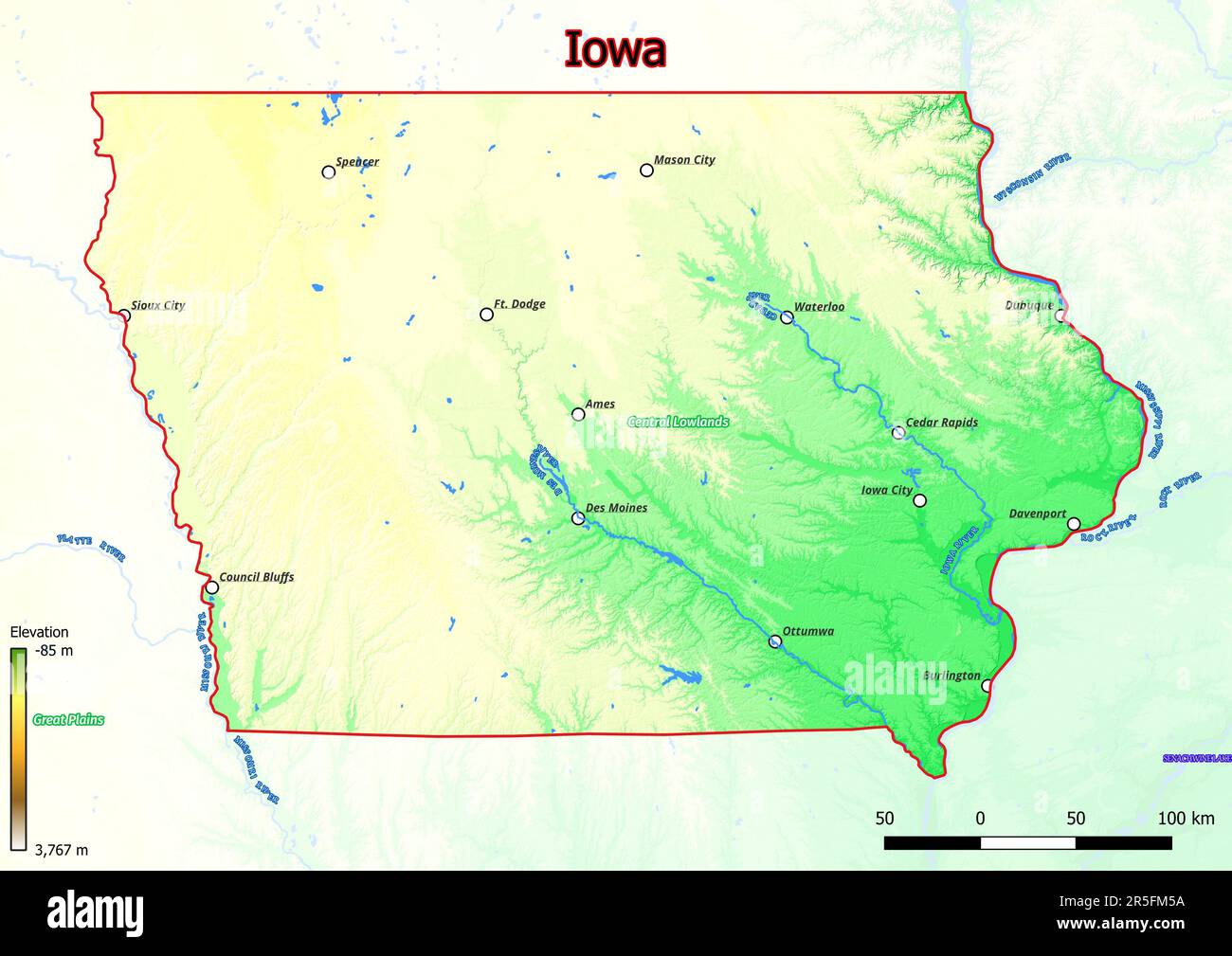
The Army component comprises various combat, combat support, and sustainment elements. Major subordinate units include the 2nd Infantry Brigade Combat Team of the 34th Infantry Division, the 67th Troop Command, and specialized aviation, medical, and engineering battalions spread across armories in communities like Council Bluffs, Davenport, Iowa City, and Waterloo.
Iowa Air National Guard
The Air component operates primarily out of three main installations: the 135th Air Intelligence Squadron and associated units, alongside flying wings located in Des Moines, Sioux City (home to the 185th Air Refueling Wing), and Fort Dodge. These airmen support global refueling, tactical airlift, intelligence, and aerospace control missions.
How to Serve: Requirements and Enlistment
Joining the Iowa National Guard requires meeting strict legal, physical, and moral standards established by the Department of Defense. While you can maintain a civilian job or attend college full-time, the commitment demands discipline and readiness.
Basic Eligibility Criteria
- Age Requirements: Generally, applicants must be between 17 and 39 years old, though age limits vary slightly depending on prior service and specific branch policies.
- Citizenship: You must be a U.S. citizen or a legal permanent resident alien.
- Education: A high school diploma is preferred, and certain roles require specific educational milestones or test scores.
- Physical Fitness: Candidates must pass a physical examination and meet height, weight, and fitness standards appropriate for their age and gender.
- Background Check: Passing a criminal background check and achieving a qualifying score on the Armed Services Vocational Aptitude Battery (ASVAB) test is mandatory.
The Enlistment Process
- Initial Consultation: Speak with a local recruiter to discuss career options, job availability, and your personal goals.
- Testing and Physical Evaluation: Take the ASVAB exam and complete a thorough medical evaluation at a Military Entrance Processing Station (MEPS).
- Job Selection: Choose your military occupational specialty (MOS) based on your aptitude scores, physical qualifications, and state vacancy needs.
- Basic Training and Advanced Individual Training: Attend initial entry training to learn core military skills, followed by specialized schooling for your chosen job.
- Returning Home to Drill: Once trained, you return to your local Iowa unit, participating in monthly weekend drills (typically one weekend per month) and a two-week annual training period each year.
Benefits and Compensation
Service members receive tangible compensation and long-term support for balancing military duties with civilian life.
- Education Assistance: State tuition programs and federal educational incentives help cover college or vocational school costs. For example, the State Tuition Assistance program helps eligible soldiers pay for undergraduate or graduate degrees at participating institutions.
- Competitive Pay: You earn regular drill pay for monthly training weekends and full-time active-duty pay during deployments or annual training blocks.
- Healthcare Options: Service members qualify for low-cost, comprehensive health and dental coverage plans designed for part-time military personnel.
- Retirement and Home Loans: Long-term service builds eligibility for retirement programs and favorable terms on VA home loans.
For detailed official updates on policies and active programs, consult the Iowa National Guard Official Website or review federal guidelines via National Guard Bureau.
Frequently Asked Questions
Can I keep my civilian job while serving in the Iowa National Guard?
Yes. Federal laws like the Uniformed Services Employment and Reemployment Rights Act (USERRA) protect your civilian job, seniority, and employment status while you attend training or fulfill deployment obligations.
How much time does Guard service take each month?
The standard commitment is known as "one weekend a month, two weeks a year." Monthly drills usually run Saturday and Sunday, while annual training takes place during a continuous two-week window in the summer.
Do I have to live in Iowa to join the Iowa National Guard?
Generally, members must be residents of Iowa or a bordering state and assigned to an authorized unit. However, cross-state transfers and specific interstate enlistment agreements can apply depending on individual circumstances.
What happens if I am deployed during college semesters?
Educational institutions work closely with activated service members to accommodate deployment interruptions. Policies typically allow for tuition refunds, credit protections, or streamlined academic re-entry upon returning from active duty.



