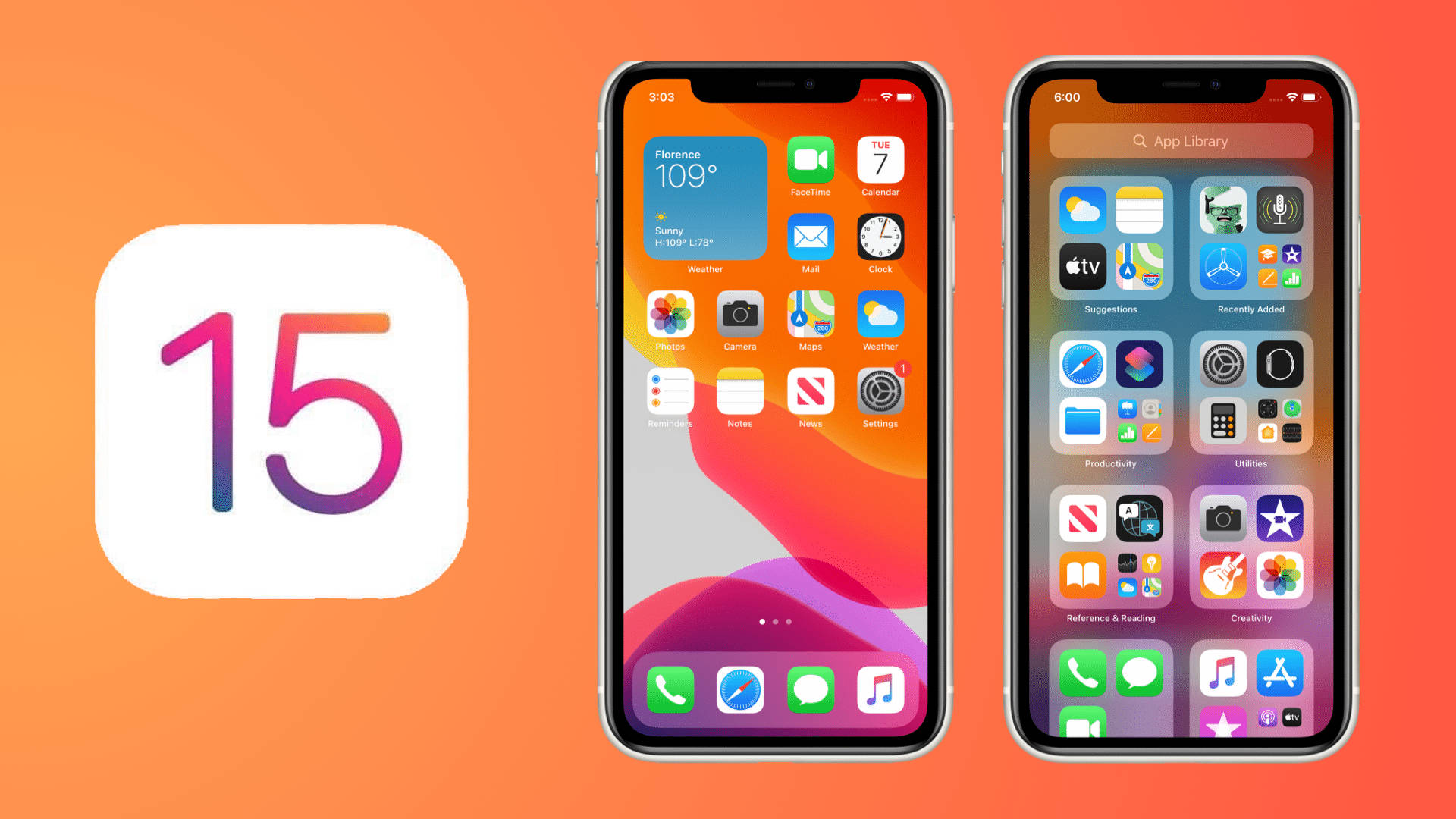
Major operating system updates alter how we interact with our mobile devices every single day. When a new version drops, it shifts default layouts, privacy controls, and battery management protocols. If you've recently updated your device and noticed a radically different interface or missing settings, you aren't imagining things. Apple routinely restructures core design paradigms, leaving many users searching for familiar features.
Understanding these shifts helps you reclaim control over your device without frustration. Let's break down what actually changed under the hood, how the core interface evolved, and what adjustments you need to make right now to optimize your daily workflow.
Navigating the New Interface and Layout Shifts
Apple's design philosophy leans heavily into unified aesthetics and streamlined visual elements. Recent software cycles introduced more transparent menu panels, dynamic depth effects, and altered navigation rows.
The traditional tab bar layout has evolved. Instead of standard solid rows, interfaces now use translucent materials that blend into background wallpapers. While this creates a sleek, modern look, it often reduces contrast, making buttons harder to spot at a glance.
- Translucent Navigation: Menus fade into your background wallpaper, prioritizing visual cleanliness over stark contrast.
- Collapsed Collections: Media and file libraries now allow deep nesting, meaning you have to tap further to see sub-categories.
- Dynamic Depth: Newer software builds apply generative depth to flat images, adding subtle motion when you tilt your hardware.
If you find the new layout disorienting, you can revert several accessibility settings to restore high-contrast modes. Head into your display parameters and toggle off transparent layers or reduce motion if the visual shifting causes eye strain.
Core Under-the-Hood Performance Adjustments
Beyond surface-level aesthetics, software refreshes restructure background processes. Memory management, battery health algorithms, and photo exposure defaults receive deep revisions with each major deployment.
For example, automatic image processing pipelines frequently adjust HDR rendering and exposure mapping. If your recent snapshots look overly bright or washed out compared to older device captures, it's usually due to aggressive smart-lighting algorithms rather than a broken sensor.
- Check Camera Preferences: Navigate to your camera utility settings to disable or adjust photographic styles that alter default contrast.
- Review Background Refresh: Restrict heavy background data syncs for apps you rarely open to preserve daily battery longevity.
- Audit Privacy Permissions: Major updates often reset or re-prompt location and tracking permissions across installed software.
Common Transition Mistakes to Avoid
When an operating system undergoes a massive visual or structural overhaul, users often adopt counterproductive habits while trying to fix perceived bugs.
Don't rush to factory reset your hardware if a single app looks unusual. Most interface quirks stem from newly introduced settings rather than corrupted files. Avoid downloading unverified third-party patch utilities from the Apple App Store that promise to reverse core system updates; these tools rarely work and can introduce security vulnerabilities.
Another frequent misstep is ignoring minor point releases. Apple swiftly deploys stabilization patches shortly after major version rollouts. Keeping your system updated to the latest minor iteration resolves most early adoption glitches.
Frequently Asked Questions
Why do my photos look overexposed after the update?
Recent imaging pipelines alter how smart HDR handles high-contrast scenes. You can adjust your default photographic styles or turn off view-full-HDR toggles in your media preferences to restore a natural look.
Can I get the old navigation layout back?
Apple rarely allows a complete rollback to legacy interface designs. However, you can customize widget layouts, rearrange collections, and turn off motion effects via the accessibility panel to streamline your daily navigation.
Does the new software drain battery faster?
During the first forty-eight hours post-update, your device indexes files and recalibrates background tasks in the background. Battery performance typically normalizes after this initial indexing period concludes.
Where can I check official update notes?
You can review detailed security contents and patch notes directly through Apple Support to see exact bug fixes included in your current software version.



