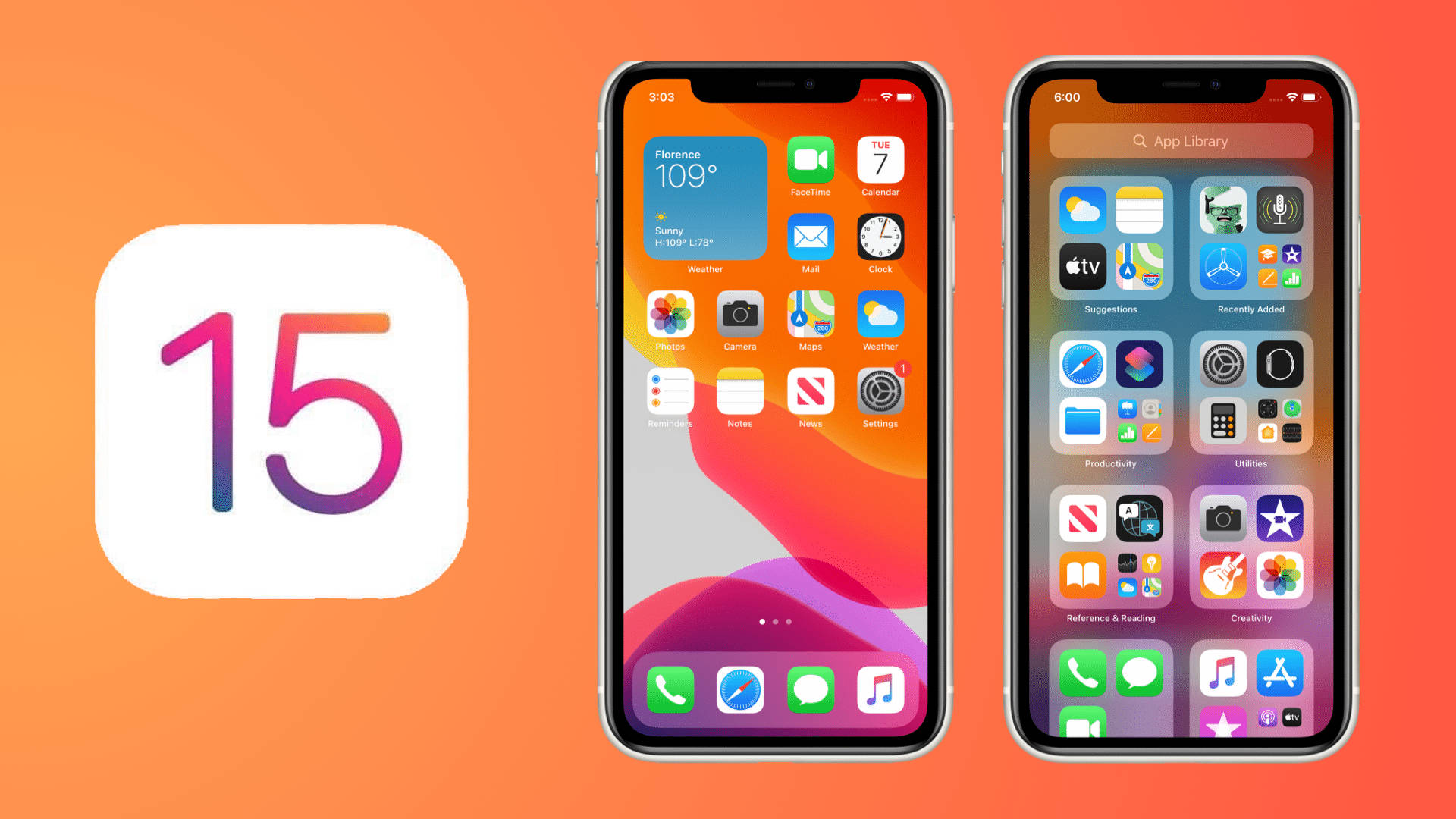
Transforming a Samsung Galaxy device with an iOS-style launcher offers an intriguing blend of Apple aesthetics and Android flexibility, but it often brings performance bottlenecks. If you're tired of One UI's default grid or want the smooth visual fluidity of iOS without buying a new phone, you need an approach that doesn't tank your battery or bog down RAM.
Many third-party launchers cause stuttering, break gesture navigation, and drain batteries because they run heavy background services. This guide breaks down how to run an iOS launcher on your Samsung Galaxy smoothly, maintain snappy touch response, and keep your battery life intact.
Choosing the Right iOS Launcher for Galaxy
Picking the right app makes or breaks your experience. Not all iOS launchers built for Android are created equal. Some pack excessive ads into the free tier, while others hog system resources.
- Launcher iOS 17/18 apps: These apps replicate the exact home screen layout, app library, and control center of Apple devices. Look for versions with high user ratings and low permissions requirements.
- Customization depth vs. resource weight: Lightweight options replace just the home screen and app drawer, leaving system menus alone. Heavy options attempt to skin notification panels, settings, and lock screens, which often triggers lag.
- Battery optimization: Check user forums and reviews specifically for battery drain metrics before committing to a daily driver.
Step-by-Step Installation and Setup
Getting an iOS interface running on One UI takes just a few minutes, but proper setup prevents common glitches with touch response and default home screen handlers.
- Download a reputable iOS launcher from the Google Play Store to ensure safety and regular updates.
- Open your Galaxy's settings, navigate to Apps, and tap Default apps.
- Select Home app and switch your default from One UI Home to your newly installed iOS launcher.
- Grant necessary permissions for notifications, storage, and display over other apps when prompted.
- Disable unnecessary animations inside the launcher settings to keep transitions instantaneous.
Optimizing Performance and Preserving Battery Life
Running a secondary launcher on top of Samsung's heavily customized One UI demands careful resource management. Without optimization, you might notice dropped frames during multitasking.
- Disable home screen blur effects: Heavy Gaussian blur rendering drains GPU cycles rapidly. Turn off live blur in the launcher settings.
- Limit widget counts: While iOS-style widgets look clean, keeping ten active live weather and clock widgets refreshing in the background will heat up your Snapdragon or Exynos processor.
- Exclude from battery saver restrictions: In some cases, Android's aggressive battery management kills launcher processes, causing crashes back to One UI. Lock the launcher in your recents menu if your phone exhibits this behavior.
Common Pitfalls to Avoid
Users often run into frustrating roadblocks when combining Apple's interface paradigm with Samsung hardware. Knowing what to avoid saves hours of troubleshooting.
Don't install icon packs that require a third-party wrapper on top of an already modified launcher. This creates a multi-layered rendering process that crushes frame rates. Avoid cheap launchers downloaded from untrusted APK sites, as they frequently bundle adware that targets your notification shade. Finally, don't ignore system software updates; a major One UI patch can break compatibility with older launcher builds instantly.
Frequently Asked Questions
Will an iOS launcher slow down my Samsung Galaxy?
It depends on the launcher's weight. Lightweight options that only modify the home grid cause negligible impact, while heavily skinned versions that alter the notification shade and settings menu can introduce noticeable stutter.
Can I still use Samsung DeX with an iOS launcher active?
Yes, Samsung DeX operates as a separate display environment and maintains its own interface logic, meaning your external monitor experience won't be disrupted by your phone's custom home screen launcher.
How do I revert back to the stock Samsung interface?
Go to your phone settings, search for Default home app, and switch the active launcher back to One UI Home. Your original app layout and folder structures will remain intact.
Do iOS launchers break Galaxy gesture navigation?
Some older launchers conflict with Android's native gesture pill. Choosing a launcher optimized for Android 14 or 15 ensures smooth swipe-up and multitasking gestures.



