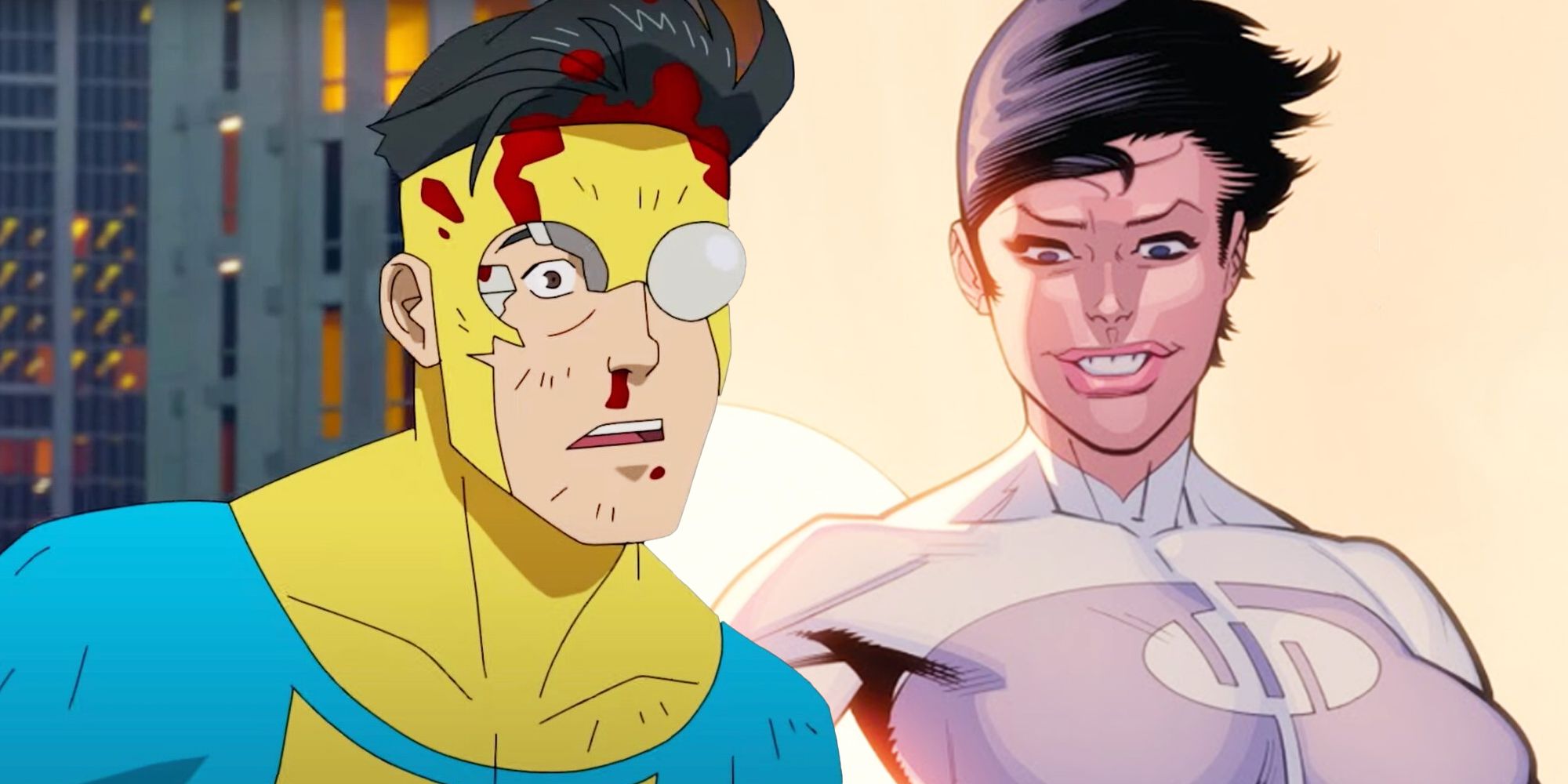
The invincible hero trope dominates modern screen culture because it taps into a fundamental human hunger for absolute security. When characters absorb impossible damage without flinching, we get a visceral escape hatch from everyday vulnerability. You're watching an indestructible figure shatter expectations, bend physical laws, and conquer insurmountable odds without ever truly breaking.
Writers lean on this narrative device because it strips away mundane distractions, letting creators focus purely on spectacle and moral certainty. But why do we keep watching when the outcome is never in doubt? Let's unpack the psychological pull, the structural mechanics, and the hidden pitfalls of the invincible protagonist.
The Psychological Hook of Absolute Resilience
Audiences don't tune into invincible characters for surprise plot twists regarding survival. They watch for the catharsis of endurance. Life throws unpredictable chaos our way, leaving us feeling fragile and exposed. Seeing a protagonist take direct hits and keep walking provides a symbolic shield against our own real-world anxieties.
When a character refuses to break, they project a fantasy of ultimate control. We aren't worried about whether they'll survive the third-act explosion; we want to see how they exact justice once the smoke clears. This shifts the dramatic tension away from life-or-death stakes and onto style, ingenuity, and emotional vindication.
Take classic action cinema or modern superhero franchises. The appeal rests on watching an immovable object withstand unrelenting pressure. If you're interested in how cultural myths shape these narrative patterns, the Library of Congress offers extensive archives on folklore and popular culture development.
Narrative Mechanics: Plot Armor Versus Built-In Durability
Not all unbreakable characters are built the same way. Writers deploy different structural excuses to justify why their protagonists never stay down.
- Explicit Plot Armor: The story bends reality around the character. Enemies miss point-blank shots, heavy beams fall just to the left, and allies arrive precisely when things look bleakest.
- Biological or Technical Immunity: In-universe rules explain the resilience. Think of characters enhanced by cybernetics, alien biology, or mystical bloodlines where physical trauma bounces right off them.
- Interactive Game Loops: In gaming media, mechanics like invincibility frames or instant checkpoint regeneration train players to view failure as a temporary pause button rather than a permanent end.
The challenge for writers is managing the perception of consequence. If the audience suspects the character faces zero genuine hurdles, engagement plummets. Effective scripts maintain tension by shifting the threat from physical harm to moral, relational, or time-sensitive collateral damage.
The Pitfalls: When Invincibility Breeds Boredom
While unbreakable protagonists draw massive box office numbers, the trope carries serious narrative risks. When a character operates completely outside the realm of consequence, stories can quickly turn stale.
- Zero Stakes Syndrome: If the hero cannot lose, fight choreography becomes empty noise. Viewers stop holding their breath.
- Stunted Character Arcs: Real growth requires failure, reflection, and painful adaptation. Unbreakable figures often stay static because they never need to change.
- Empathy Gaps: It's hard to project your own fears onto a godlike entity who feels no permanent pain or doubt.
Writers avoid these traps by introducing vulnerabilities that bypass physical toughness. For instance, an action star might survive every blast radius imaginable, but crumble under emotional guilt or the burden of protecting innocent bystanders.
Frequently Asked Questions
What is the difference between an invincible hero and a Mary Sue?
An invincible hero focuses purely on physical or tactical impenetrability within high-stakes action settings. A Mary Sue or Gary Stu typically implies a character who possesses universal perfection across all skills, moral judgment, and social interactions, often disrupting the internal logic of a story.
Why do action movies rely so heavily on indestructible leads?
Mass-market entertainment prioritizes sensory spectacle and clear moral victories. Indestructible leads let directors build massive, chaotic set pieces without pausing for grim realism or mourning every bruised rib.
Can an invincible character still experience genuine growth?
Yes, but growth must happen internally. Instead of learning how to throw a better punch, they learn the cost of their power, how to trust allies, or how to accept limits on what they can save.
How do video games handle the invincible hero trope differently from films?
Games bridge the gap between fantasy and agency by letting the player earn that invincibility. Through skill progression, gear upgrades, or mastering mechanics, the player feels responsible for the character's unstoppable status rather than just watching it happen passively.


