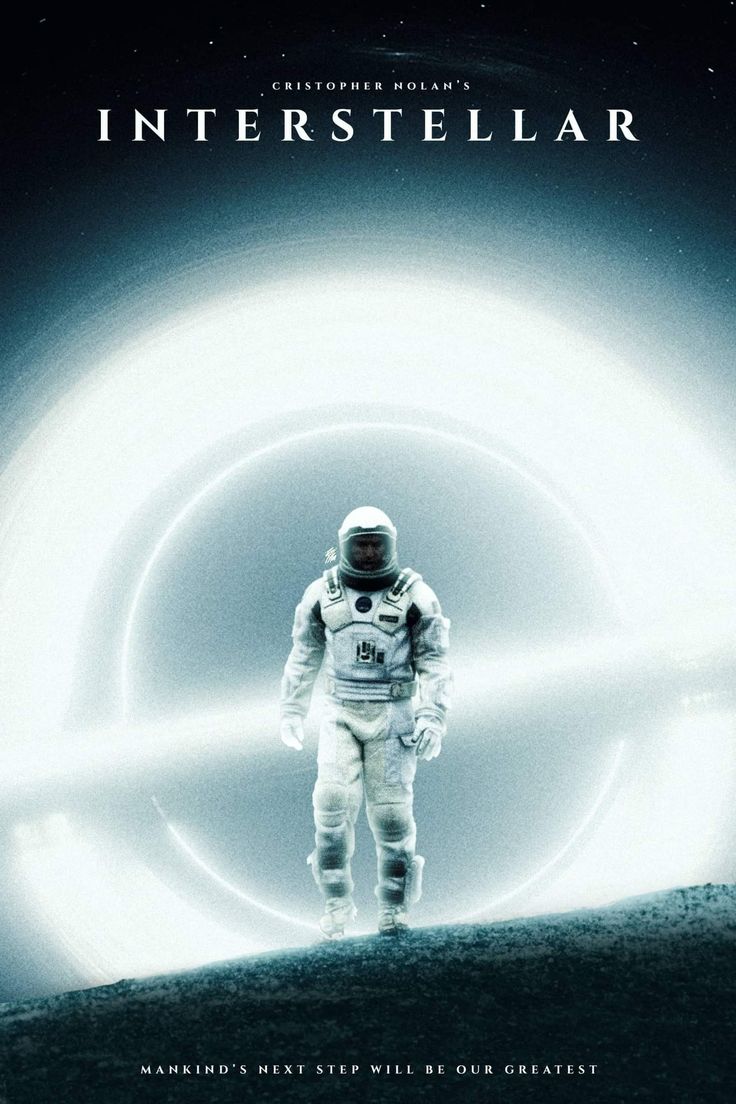
When Christopher Nolan started filming Interstellar in 2013, he didn't give Hans Zimmer a script, a genre, or a traditional brief. He handed him a single-page letter about a father and his daughter. That unusual collaboration birthed Interstellar soundtrack, a monumental piece of modern film scoring that fundamentally shifted how audiences experience scale, time, and isolation in science fiction.
Instead of relying on blaring brass and thunderous percussion common to space epics, Zimmer anchored his composition around a 1926 Harrison & Harrison pipe organ located inside London's Temple Church. This singular choice traded traditional orchestral bombast for ecclesiastical gravity, turning cosmic exploration into a deeply spiritual journey. The resulting music doesn't just accompany the visuals; it carries the narrative math of gravitational time dilation, human mortality, and interstellar desperation.
The Compositional Anatomy of Time and Space
The structural genius of the score lies in its rejection of conventional Hollywood motifs. Zimmer built the soundworld around two opposing instruments: the massive, room-filling pipe organ and the intimate, vulnerable solo piano.
The organ represents the terrifying vastness of the universe. When Cooper and his crew breach the atmosphere of Miller's planet or approach the Gargantua black hole, the heavy, vibrating low-end frequencies of the organ pedals create physical pressure in the theater. You don't just hear the chords; you feel the acoustic weight of infinity.
In contrast, the piano represents Earth, dust, and human finitude. Simple, cyclical arpeggios run through cues like "Cornfield Chase" and "Stay," mimicking the ticking of a clock or the relentless countdown of a parent losing years with their children.
Why the Pipe Organ Changes Everything
Most modern sci-fi action cues rely on synthesized pads or heavy brass sections to convey danger. Zimmer chose the pipe organ for three specific technical reasons:
- Sustain and Overtones: An organ doesn't decay like a piano. It holds sound indefinitely, creating droning harmonies that generate subconscious claustrophobia and tension.
- Acoustic Air: Recorded in a historic English church, the natural reverberation captured the physical space of the building, making the sound feel ancient and sacred.
- Harmonic Register Extremes: The instrument allowed Zimmer to leap instantly from earth-shattering bass stops to piercing high-register pipe notes, mapping the extremes of space directly to human acoustics.
Breaking Down Key Tracks and Motifs
Understanding the true impact of the score requires looking at how individual tracks function within the film's narrative timeline.
Cornfield Chase
Serving as the primary rhythmic engine of the film's first act, "Cornfield Chase" uses a fast-paced, undulating arpeggio played on the organ and synth. It establishes urgency without panic. It's the sound of Cooper driving through a dying world while holding onto stubborn hope.
Stay
When Cooper leaves Murphy behind, the piano takes center stage. The melody is deceptively simple, built on repeating phrasing that feels unresolved. It mirrors Murphy's emotional loop of abandonment and betrayal, stripping away all electronic processing to emphasize raw acoustic hammers hitting strings.
No Time for Caution
During the infamous docking sequence where Dr. Mann attempts to illegally board the Endurance, the music cuts out dialogue entirely. The track builds around a relentless 4/4 meter that accelerates in intensity as the spacecraft spins out of control. The organ chords swell and clash, turning a mechanical physics problem into a visceral heartbeat for the audience.
The Scientific Influence on the Sound Design
The creation of the music was deeply intertwined with theoretical physics. Zimmer consulted closely with physicist Kip Thorne, whose theories on relativity and black holes formed the scientific backbone of the film.
Time dilation became the central musical challenge. How do you compose music that reflects hours passing on a distant world while decades tick away on Earth? Zimmer solved this by embedding rhythmic pulses that operate on different time signatures simultaneously. Layers of sound drift in and out of phase, creating an unsettling auditory illusion where time feels compressed and stretched.
Furthermore, the sound mixing team utilized specific frequency suppression techniques during quiet scenes. By carving out mid-range frequencies, they left space for the organic breathing sounds of spacesuits and subtle atmospheric hums, making the orchestral swells hit with maximum emotional violence when they finally arrive.
Common Misconceptions About the Production
Audiences and casual music fans often misunderstand how the score was brought to life.
Many assume the entire soundtrack was generated using massive synthesizers because of Zimmer's extensive electronic background with scores like Inception or The Dark Knight. In reality, the electronic elements were strictly secondary. The foundation of the album was captured live with a 34-piece orchestra, a 24-piece choir, and the London organ, recorded over several days in a sacred acoustic space.
Another frequent myth is that the music was written after the film was fully edited. True to his process with Nolan, Zimmer wrote the core themes before seeing a single frame of footage, relying solely on that initial father-daughter letter to drive the melodic choices.
Frequently Asked Questions
What instrument is used as the primary focus of the Interstellar score?
The pipe organ is the dominant instrument, specifically recorded at London's Temple Church, paired with a subtle grand piano and a small chamber orchestra.
Did Hans Zimmer win any awards for this soundtrack?
Yes. The score received widespread critical acclaim, earning nominations for the Academy Award for Best Original Score, the BAFTA Award for Best Film Music, and a Golden Globe nomination.
Why does the music sound like a ticking clock?
The rhythmic pulse imitates the concept of time dilation, serving as an auditory reminder of the decades Cooper is losing while exploring distant star systems.
Can you buy sheet music for the main themes?
Official piano and organ arrangements are widely available through publishers like Hal Leonard, with "Cornfield Chase" being one of the most popular transcriptions for solo pianists.
How does the score differ from typical blockbuster soundtracks?
Instead of relying on bombastic brass stabs and loud percussion hits to signal action, it relies on minimalism, sustained organ tones, and emotional intimacy to make cosmic stakes feel personal.



