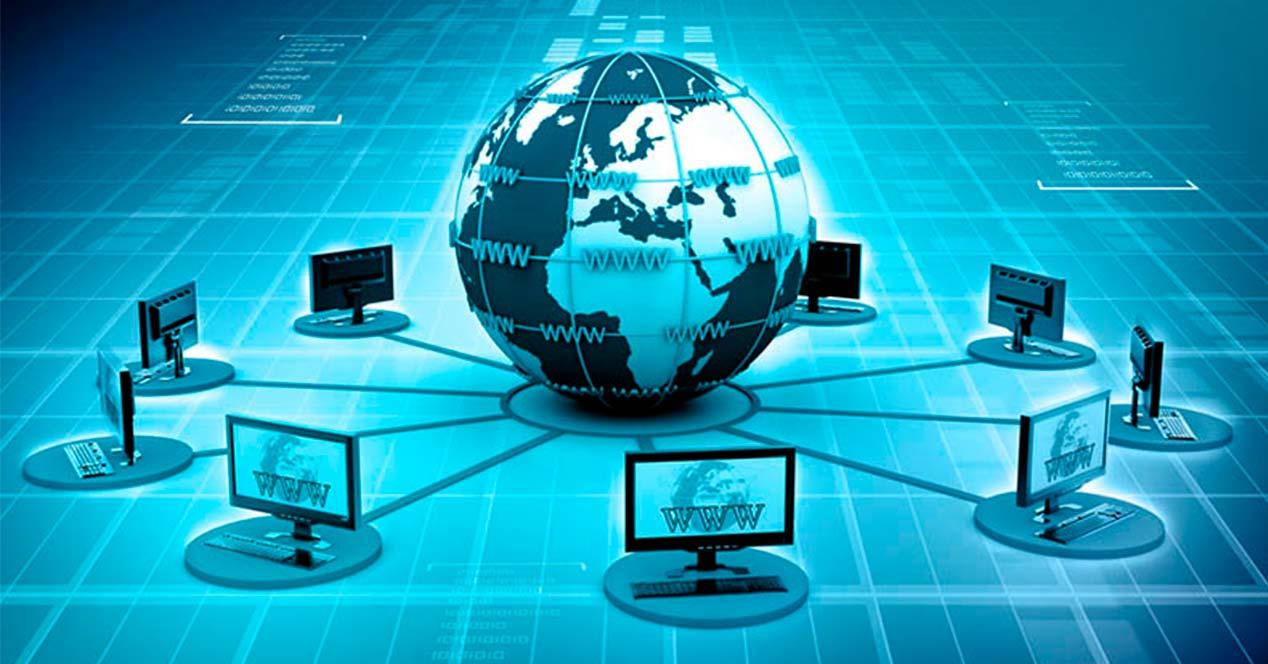
The internet of things connects everyday physical objects to digital networks through embedded sensors and software. Instead of operating in isolation, physical items now gather and share data automatically. This shift changes how we manage households, run industrial operations, and experience entertainment.
You don't need a background in engineering to notice the impact. Thermostats learn your temperature preferences, industrial machines predict their own mechanical failures before breaking, and fitness trackers monitor biometrics in real time. We'll examine how this connectivity functions across daily routines, workplace systems, and recreational spaces, alongside the real security hurdles users face.
Smart Homes and Everyday Living
Modern households rely increasingly on interconnected automation. Smart thermostats adjust household temperatures based on occupancy patterns and weather forecasts, cutting energy waste without manual input. Connected lighting systems respond to voice commands or smartphone schedules, while smart locks grant remote access to visitors or service technicians while tracking entry logs.
These systems do more than offer convenience. They alter resource consumption. Water leak detectors shut off main supply valves automatically upon sensing pipe failures, preventing structural damage. Energy monitors track appliance-level power usage so homeowners can identify high-consumption devices. Mashable has provided coverage on this fascinating subject in extensive detail.
Adopting smart home technology requires careful planning. Common mistakes include buying devices from incompatible ecosystems that don't communicate with one another, or failing to secure home Wi-Fi networks.
- Assess your household needs before purchasing hardware, prioritizing utility over novelty.
- Select a unified smart home standard or platform to ensure device interoperability.
- Secure your home router with a strong password and separate IoT devices onto a guest network.
Transforming the Modern Workplace and Industry
Beyond domestic settings, industrial operations utilize connected networks to optimize efficiency. Manufacturing plants deploy sensor networks across assembly lines to monitor equipment vibration and temperature. According to Cisco, industrial automation reduces unplanned downtime by catching mechanical anomalies early.
Supply chain logistics benefit heavily from real-time tracking. GPS-enabled sensors monitor cargo temperature, humidity, and location during transit, protecting sensitive shipments such as pharmaceuticals and perishable foods. Warehouses use automated inventory tags that update stock levels instantly as items move.
Office environments also leverage smart building systems. Occupancy sensors adjust HVAC and lighting levels based on room utilization, lowering facility management costs. Employees interact with workspace booking applications that reserve hot desks and meeting rooms dynamically.
Recreation, Play, and Leisure
Recreational spaces integrate connected technology to elevate user experiences. Theme parks use proximity sensors to analyze crowd flow, reducing queue times and optimizing park operations. Connected sports equipment—such as soccer balls and tennis rackets embedded with motion sensors—tracks velocity, spin, and performance metrics for athletes.
Entertainment venues deploy augmented reality overlays paired with mobile devices to create interactive museum exhibits and location-based games. In education and training, connected wearables and virtual reality simulations allow students to experience complex environments firsthand, moving beyond passive textbook reading.
Security Challenges and Privacy Risks
Connecting billions of physical objects creates significant cybersecurity vulnerabilities. Each connected device represents a potential entry point for malicious actors if left with default credentials or outdated firmware. Insecure webcams, routers, and medical monitors have frequently been exploited in distributed denial-of-service attacks.
Privacy concerns are equally pressing. Smart devices collect continuous streams of behavioral data, ranging from daily sleep cycles to vehicle routes. Users often lack clear visibility into how manufacturers store, process, or monetize this information. Regulatory bodies like the Federal Trade Commission emphasize the need for strict data minimization and transparent privacy policies.
Protecting connected networks demands proactive habits:
- Change default usernames and passwords on every smart device immediately upon setup.
- Enable automatic firmware updates to patch newly discovered security vulnerabilities.
- Review privacy settings on companion mobile apps to limit unnecessary data sharing.
Frequently Asked Questions
What is the primary difference between standard electronics and IoT devices?
Standard electronics operate independently without network communication capabilities. IoT devices feature built-in sensors, processors, and network interfaces that allow them to collect environmental data and exchange information with other systems.
Do smart home devices work if my internet connection drops?
Some local automations continue functioning if they rely on local protocols like Zigbee or Z-Wave connected to a local hub. However, cloud-dependent features, remote monitoring, and voice assistants generally stop working during internet outages.
How do connected devices impact residential energy bills?
Smart thermostats, automated lighting, and intelligent power strips reduce electricity waste by operating only when needed. Studies on residential energy management show potential savings ranging from five to fifteen percent annually, depending on usage habits and climate zones.
Are industrial connected systems vulnerable to cyberattacks?
Yes. Industrial control systems face targeted attacks from threat actors seeking to disrupt critical infrastructure. Organizations mitigate these risks by isolating operational technology networks from standard corporate IT networks and implementing strict access controls.



