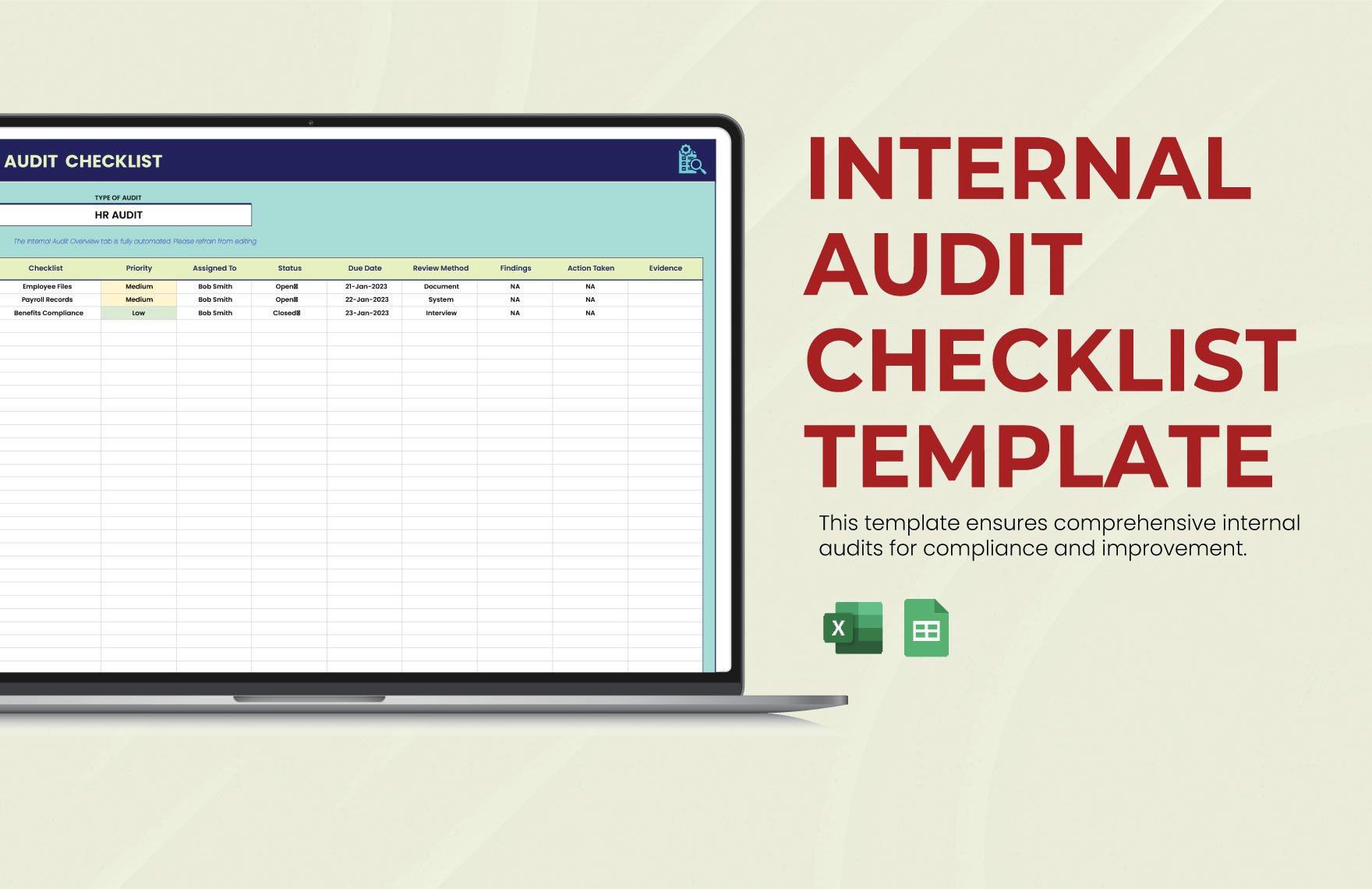
Internal audit provides independent evaluation of an organization's internal controls, risk management, and governance processes. Without structured internal audits, companies face undetected fraud, regulatory penalties, and operational inefficiencies that can destabilize business models. Organizations use these evaluations to verify compliance, safeguard assets, and ensure financial accuracy across all operating units.
The modern internal audit process has evolved far beyond simple bookkeeping checks or basic error detection. Today's practitioners analyze complex operational workflows, test cybersecurity protocols, and evaluate strategic decision-making against established frameworks like COSO. When executed correctly, an internal audit serves as a vital diagnostic tool that helps management fix vulnerabilities before external regulators or auditors uncover them.
The Core Objectives of an Internal Audit
Every effective internal audit focuses on three foundational pillars: operational efficiency, regulatory compliance, and asset protection. Companies don't operate in static environments, so these evaluations must adapt continuously to shifting market conditions and internal changes.
Operational reviews examine how well daily workflows achieve business goals without wasting resources. Auditors look for bottlenecks, redundant approvals, and areas where automation could improve speed. Compliance checks ensure that the company adheres strictly to local laws, industry regulations, and internal company policies. Asset protection involves testing physical security measures and digital access controls to prevent theft or unauthorized data exposure.
When leadership treats the audit function as a partner rather than a policing unit, organizations build a culture of accountability. Clear findings allow department heads to correct mistakes early. You'll see fewer recurring errors when teams understand the direct connection between internal controls and daily performance.
Step-by-Step Internal Audit Process
Conducting a thorough internal audit requires a disciplined, repeatable methodology. Skipping phases or rushing fieldwork often leads to missed vulnerabilities and unreliable reporting.
- Planning and Risk Assessment: Define the audit scope, identify key risk areas, and review prior audit reports or regulatory updates.
- Fieldwork and Testing: Gather documentation, interview key personnel, observe operational workflows, and test specific financial or procedural controls.
- Evaluation and Analysis: Compare collected evidence against established benchmarks, identify control deficiencies, and determine the root causes of any failures.
- Reporting: Draft a clear audit report detailing findings, risk ratings, and actionable recommendations for management.
- Follow-up: Monitor the remediation process to ensure department heads implement agreed-upon corrective actions within specified timeframes.
During fieldwork, auditors must rely on direct evidence rather than verbal assurances. If a manager claims a particular inventory control operates daily, the auditor must inspect physical logs and reconciliation sheets to verify the claim. This rigorous approach maintains the integrity of the entire evaluation.
Common Mistakes in Audit Execution
Many organizations struggle to extract full value from their audit programs because of avoidable execution errors. Recognizing these pitfalls helps teams improve their internal audit outcomes.
Treating audits as a once-a-year compliance checkbox rather than a continuous monitoring process leaves organizations exposed to rapid changes in risk profiles. When teams scramble only when auditors arrive, documentation is often rushed and incomplete. Another frequent mistake involves focusing exclusively on financial numbers while ignoring operational and technological controls. Modern businesses rely heavily on digital systems, meaning cybersecurity vulnerabilities can cause massive financial damage even if the balance sheets balance perfectly.
Failing to communicate findings clearly to executive leadership creates friction. Audit reports loaded with dense technical jargon rarely inspire swift corrective action. You need concise summaries that highlight the specific business impact of each control failure.
Integrating Technology and Data Analytics
Technology transforms how audit teams collect and analyze data. Traditional sampling methods—where auditors examine only a small subset of transactions—often miss anomalies hidden deep within large datasets.
Data analytics tools now allow audit teams to analyze entire populations of transactions in minutes. For example, automated scripts can flag duplicate invoice payments, unusual expense account spikes, or unauthorized user access attempts across enterprise resource planning systems. Continuous auditing tools monitor transactions in real time, alerting management immediately when a transaction violates predefined risk thresholds.
Despite these technological advancements, human judgment remains irreplaceable. Software can flag an unusual transaction, but only an experienced auditor can investigate the operational context, interview the staff involved, and determine whether the anomaly stems from fraud, system error, or a legitimate business exception.
Frequently Asked Questions
How often should an internal audit be conducted?
High-risk areas like payroll, cash handling, and IT access controls require continuous monitoring or quarterly reviews. Lower-risk operational processes can be audited on an annual or multi-year rotation based on comprehensive risk assessments.
What is the difference between internal and external audits?
Internal audits are performed by company employees or outsourced internal specialists to improve operations and strengthen internal controls. External audits are conducted by independent certified public accountants primarily to provide an objective opinion on the accuracy of financial statements for external stakeholders and regulators.
How do auditors select sample sizes for testing?
Auditors determine sample sizes using professional judgment, statistical formulas, and risk assessments. High-risk processes with high transaction volumes require larger sample sizes, while low-risk, automated controls may require minimal testing.
What happens after an audit finding is reported?
Management must provide a formal response outlining corrective actions and target completion dates. The internal audit team then performs follow-up testing during subsequent cycles to verify that management successfully resolved the identified issues.
Can small businesses benefit from internal audits?
Small businesses might not need a full-time internal audit department, but they benefit greatly from periodic reviews of financial controls, segregation of duties, and IT security practices, often performed by external consulting firms.


