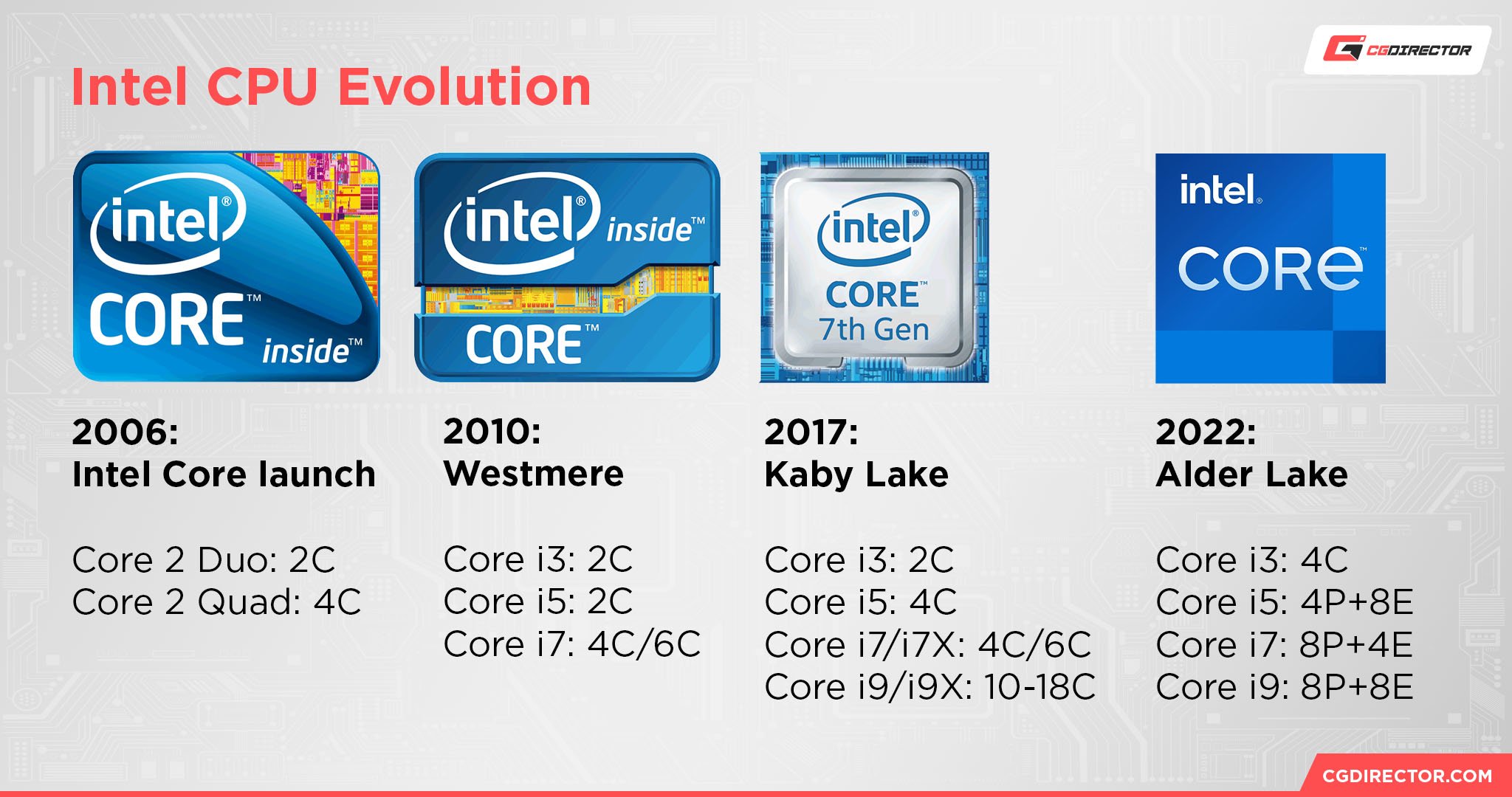
The Intel Core i5-7300U is a seventh-generation dual-core processor launched by Intel in early 2017, built specifically for thin-and-light business laptops. It features a base frequency of 2.6 GHz with a max single-core turbo boost of 3.5 GHz, alongside a 15W Thermal Design Power (TDP). While it handles basic office tasks, web browsing, and media streaming smoothly, its lack of official Windows 11 support and dual-core limitation mean it struggles with heavy multitasking, modern gaming, and resource-intensive creative applications.
Finding a used or surplus business laptop powered by this Kaby Lake chip is common, making a realistic appraisal of its capabilities essential before purchase. This review breaks down its technical blueprint, real-world constraints, and long-term viability.
Technical Specifications and Architecture
Underneath the hood, the i5-7300U relies on Intel's refined 14nm process node, sharing much of its microarchitectural foundation with earlier Skylake designs.
- Cores and Threads: 2 physical cores and 4 threads utilizing Hyper-Threading technology.
- Clock Speeds: 2.6 GHz base frequency, scaling up to 3.5 GHz via Intel Turbo Boost.
- Cache: 3 MB of Intel Smart Cache.
- Graphics: Integrated Intel HD Graphics 620 operating at 300 MHz to 1.1 GHz with 24 execution units.
- Memory Support: Dual-channel configuration supporting up to 32 GB of DDR4-2133 or LPDDR3-1866 RAM.
The integrated HD Graphics 620 includes fixed-function hardware decoding for HEVC (H.265) 10-bit and Google VP9 codecs. This inclusion ensures that high-definition video playback on platforms like YouTube or Netflix runs smoothly without heavily burdening the main processing cores. For another look on this event, refer to the recent coverage from Reuters.
Real-World Performance and Benchmarks
Synthetic benchmarks place this processor firmly in the entry-level tier. In multi-threaded tests like Geekbench or Cinebench, its two cores are easily outpaced by quad-core and hexa-core mobile chips introduced from the eighth generation onward.
For day-to-day office workflows—such as managing spreadsheets in Microsoft 365, editing text documents, and browsing the web with a dozen tabs open—the chip feels responsive, provided the laptop is paired with an SSD rather than an old mechanical hard drive. However, opening heavy applications, compiling code, or running multiple virtual machines triggers thermal limits quickly. Because it is a 15W part housed in passive or slim active cooling chassis, sustained loads cause the processor to throttle back its turbo frequency to manage heat output.
Gaming performance is strictly limited. The HD 620 lacks the muscle for modern AAA titles. Lighter esports games like League of Legends or Counter-Strike 2 require turning settings down to 720p with low graphical presets to achieve playable frame rates.
Power Efficiency and Thermal Behavior
The 15W TDP rating makes the i5-7300U a modest consumer of electricity. In portable office machines equipped with a healthy 45Wh to 50Wh battery, users can still expect anywhere from 5 to 7 hours of standard web browsing and document editing away from the wall outlet.
Thermal management in older ultrabooks dictates actual sustained speeds. If the internal cooling fan is choked with dust or the thermal paste has dried out, the CPU drops its clock speed aggressively during prolonged tasks. Cleaning out the heatsink and applying fresh paste often restores lost burst performance on secondhand machines.
Software Compatibility and Operating System Limits
The primary hurdle for this generation of processors centers on software support. Microsoft restricts official Windows 11 compatibility to eighth-generation Intel processors and newer. Consequently, the i5-7300U is left off the official eligibility list.
While registry tweaks and custom installation media allow users to bypass these checks and run Windows 11 on unsupported hardware, doing so can complicate future system updates and security patching. Sticking with an alternative operating system or running a lightweight Linux distribution often yields a smoother, more secure experience on aging hardware. You can check official security guidelines via the US-CERT portal for enterprise security tracking.
Frequently Asked Questions
Can the Intel Core i5-7300U run Windows 11 officially?
No. Microsoft requires an Intel 8th-generation processor or newer for native Windows 11 support. While workaround installations exist, they lack official backing and may miss critical feature updates.
Is this processor good for office work and studying?
Yes. For word processing, email management, spreadsheet handling, and video conferencing (Zoom or Teams), the processor delivers adequate performance if paired with at least 8GB of RAM and a fast solid-state drive.
Can I upgrade the CPU in a laptop with an i5-7300U?
No. Mobile processors like the i5-7300U are soldered directly onto the motherboard, meaning hardware upgrades are restricted to swapping out the RAM or upgrading the storage drive.
How does it compare to an 8th-generation Intel Core i5-8250U?
The jump to the 8th generation introduced four physical cores instead of two, nearly doubling multi-threaded performance. Whenever possible, looking for an 8th-gen or newer machine yields a significantly more future-proof experience.