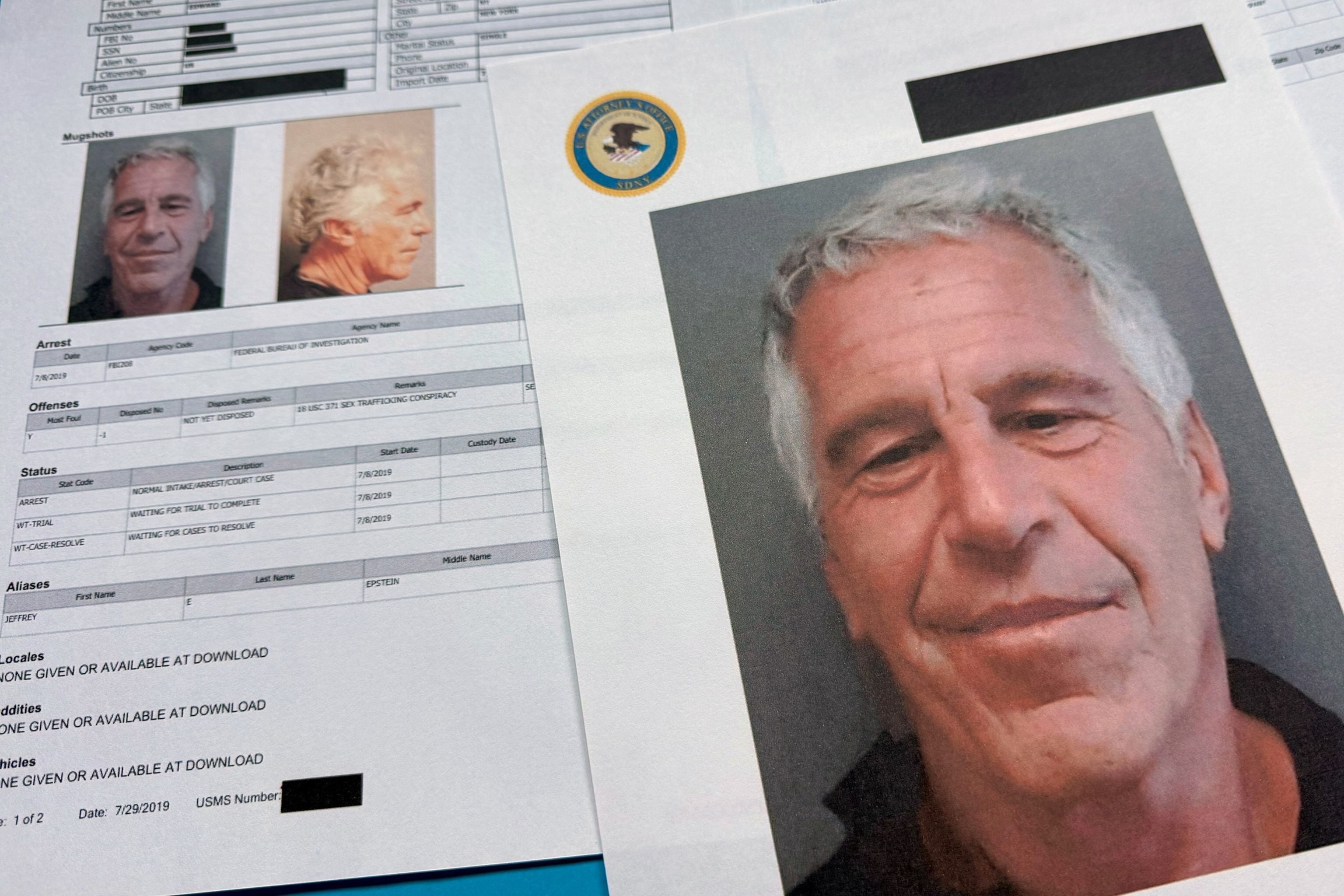
The release of millions of federal pages and court records relating to Jeffrey Epstein has transformed public discourse, shifting speculation into documented history. Rather than a single mysterious ledger, the archive consists of massive data sets, civil depositions, and investigative files that detail how a convicted sex offender maintained powerful global associations. Understanding what these disclosures actually contain requires looking past internet rumors to examine the timeline, the legal mechanisms of unsealing, and the specific contents made public by the U.S. Department of Justice.
Following years of public pressure and legal battles spearheaded by victims, the legal framework shifted dramatically with the passage of the Epstein Files Transparency Act. This legislation compelled federal authorities to review and disclose unclassified records, leading to successive data dumps that eventually surpassed three million pages. These documents provide an unvarnished look at institutional failures, civil litigation strategies, and the inner workings of an elite social circle that persisted long after Epstein's 2008 Florida conviction.
The Legal Path to Disclosure
Public access to the Epstein archive did not happen overnight. It unfolded through two primary channels: civil court unsealings originating from victims' lawsuits and statutory federal disclosures.
The earliest major window into these records opened through defamation litigation managed by federal courts in New York. Survivors and attorneys fought for years to remove redactions from depositions, witness testimonies, and documentary exhibits tied to associates like Ghislaine Maxwell. These court filings exposed how victims were recruited and mapped out the social topography of private estates and aircraft.
Later, legislative momentum forced federal compliance on a much larger scale. Under the Epstein Files Transparency Act, the Department of Justice published extensive libraries containing FBI interview notes, travel documentation, and administrative correspondence. These releases aimed to provide complete transparency while maintaining mandatory redactions to protect the identities of survivors and active national security matters.
What the Disclosed Files Actually Contain
Examining the multi-million-page archive reveals distinct categories of information that clarify how the operation functioned and how authorities handled it over decades.
- Investigative Photographs and Property Logs: Federal records include extensive inventories seized from properties in Palm Beach, New York, and the U.S. Virgin Islands, offering physical evidence of the environment where abuse took place.
- Flight Logs and Travel Correspondence: Documentation details scheduling patterns for aircraft and maritime vessels, mapping out the transit of associates, employees, and guests across international destinations.
- Internal Law Enforcement Memos: The files expose deep friction between local police departments, federal prosecutors, and investigative bureaus, shedding light on why early investigations stalled or resulted in lenient plea arrangements.
- Correspondence and Reputation Management: Emails and messages show ongoing efforts by associates to manage public perception, influence biographical records, and maintain professional ties following the 2008 conviction.
Common Misconceptions Regarding the Records
Public fascination with the document releases has frequently generated widespread myths that conflict with actual public records.
A persistent belief involves the existence of a single, tidy "client list" signed by every prominent visitor. In reality, federal investigators compiled sprawling webs of correspondence, scheduling diaries, and deposition mentions rather than a neat index of illegal acts. Legal experts and U.S. Department of Justice officials have repeatedly emphasized that appearing in an address book, flight log, or email chain does not automatically equate to criminal culpability.
Another common error is assuming that all documents were released without filter. Federal protocols mandated strict redactions to safeguard victims from exposure and to prevent interference with ongoing criminal reviews. Independent oversight reports have also noted processing gaps and missing pages, prompting continuous scrutiny from congressional committees regarding how federal agencies managed the document review process.
Frequently Asked Questions
Why did it take years for these documents to become public?
Most records remained sealed because they originated from sensitive grand jury proceedings, investigative work products, or civil settlements that protected private identities. It required dedicated legislative acts, such as the Epstein Files Transparency Act, and persistent media litigation through outlets like The Associated Press to force federal and court disclosures.
Does being named in the files prove criminal activity?
No. The documents capture everyone who crossed paths with Epstein professionally, socially, or administratively over decades. While some individuals faced legal consequences or congressional scrutiny based on evidence within the files, many others were simply mentioned in passing emails or scheduling notes without any allegation of wrongdoing.
What information is permanently withheld from the public?
Federal disclosure rules explicitly protect personally identifiable information belonging to survivors of sexual abuse, details that compromise ongoing law enforcement investigations, and explicit visual depictions of harm to minors.
Will there be any further major document releases?
While federal agencies have indicated that the primary bulk disclosures under recent transparency laws are largely complete, ongoing congressional oversight, Freedom of Information Act requests, and legal challenges regarding processing gaps mean that supplemental records may continue to emerge incrementally.


