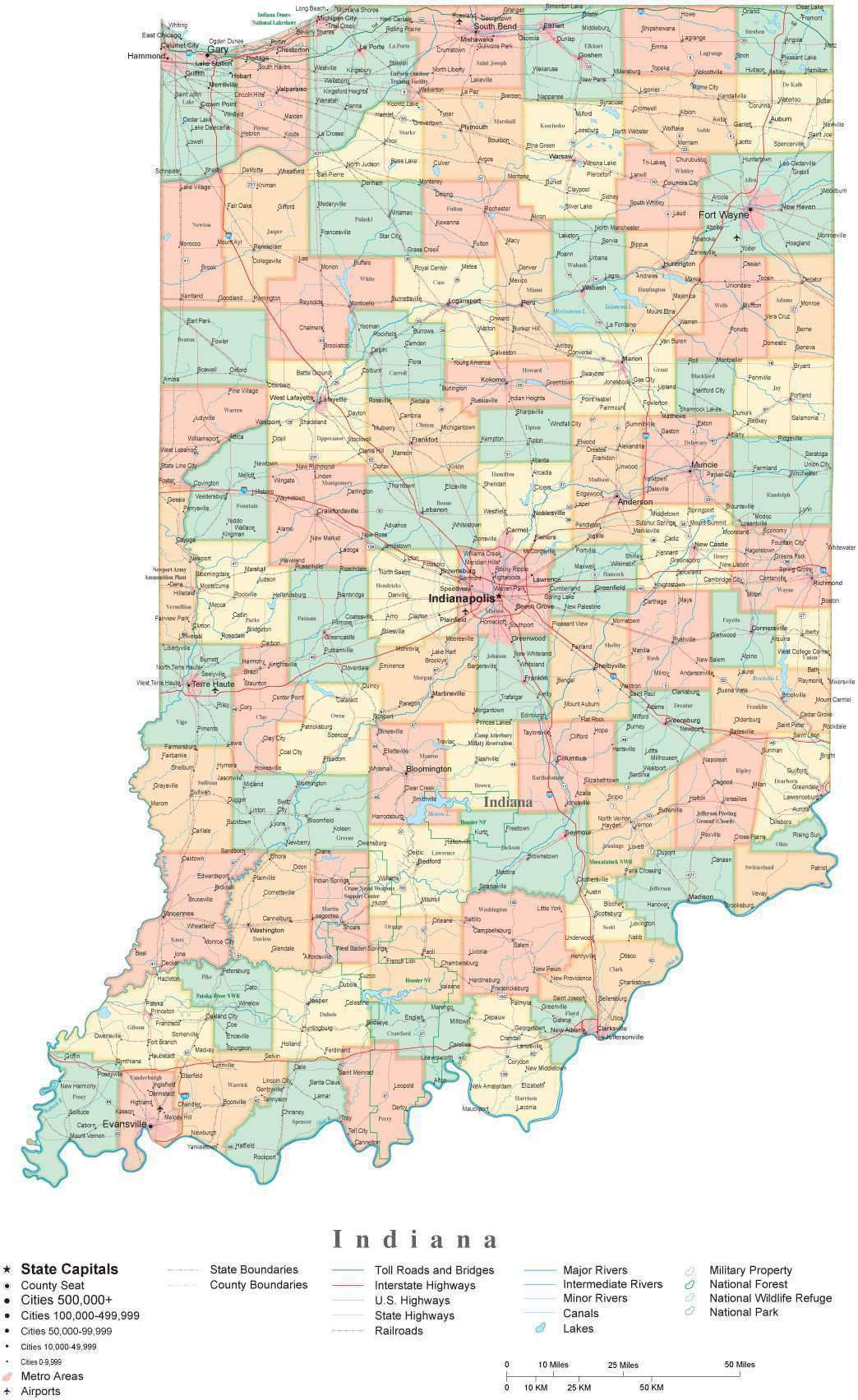
Indiana University operates as a major center for academic instruction and high-impact scholarship, driving breakthroughs across life sciences, information technology, and the humanities. Founded in 1820, the institution has grown into a multi-campus system anchored by its flagship residential campus in Bloomington, Indiana University enrolls over 40,000 students and sustains a massive research enterprise that attracts significant external funding.
Students and researchers at the university benefit from comprehensive academic frameworks, world-class library collections, and specialized labs equipped for complex inquiry. Whether you're evaluating graduate programs, investigating institutional output, or looking at how the university shapes regional economic development, understanding its core strengths requires looking past general prestige into specific academic divisions, funding metrics, and historical contributions.
Core Academic Structure and Flagship Programs
The academic core of the university spans multiple highly regarded professional schools and undergraduate colleges. Rather than operating as a single monolithic department, the institution distributes its expertise across specialized units that frequently rank among the best in the nation.
- O'Neill School of Public and Environmental Affairs: Consistently recognized as a top destination for public policy, environmental science, and administration studies.
- Luddy School of Informatics, Computing, and Engineering: A pioneer in blending computer science with data analytics, bioinformatics, and human-computer interaction.
- Jacobs School of Music: Operates as an internationally renowned conservatory, offering rigorous conservatory training within a major research university setting.
- Maurer School of Law: Maintains a long-standing reputation for legal scholarship, particularly in commercial law, constitutional law, and intellectual property.
Undergraduates don't have to wait for graduate school to participate in rigorous projects. Programs like the Undergraduate Research Opportunities in Computing and specialized summer research institutes give students hands-on access to faculty-led labs from day one.
Research Infrastructure and Funding Impact
Research at the institution extends across traditional boundaries, backed by substantial financial investments and strategic partnerships. The university routinely secures millions in sponsored research awards from federal agencies, private foundations, and industry leaders.
Key areas receiving heavy capital investment include biosciences, microelectronics, and artificial intelligence. For instance, initiatives focused on biosciences draw heavy backing to accelerate innovations in health and life sciences, while microelectronics programs receive major federal and private funding to secure next-generation technology.
Translating Lab Discoveries into Market Solutions
Academic output doesn't stay trapped inside academic journals. Programs like IU Innovates and commercialization offices help faculty and student entrepreneurs move discoveries from the lab into the real world. This ecosystem supports startup creation, patent licensing, and regional economic development across the Midwest, bridging the gap between theoretical science and practical application.
Historical Prestige and Notable Contributions
The institution's long history includes landmark discoveries that changed modern science and global thought. Faculty and alumni have shaped major scientific fields, ranging from genetics to economic theory.
- Nobel Laureates: The university counts multiple Nobel Prize winners among its historical and current community, including economists like Elinor Ostrom—the first woman to win the Nobel Prize in Economic Sciences—and pioneering geneticists and medical researchers.
- The Kinsey Institute: Established in the mid-20th century, this center revolutionized the scientific study of human sexuality, sexology, and behavioral science.
- Humanities and Social Sciences: Beyond STEM fields, the university maintains top-tier repositories and research centers for folklore, linguistics, and international area studies, producing generations of diplomats, authors, and public servants.
Admissions, Selectivity, and Student Demographics
Navigating admission to the flagship campus involves understanding holistic review criteria that look at high school curriculum rigor, standardized testing when applicable, and extracurricular dedication. While acceptance rates vary by specific school—such as the Jacobs School of Music requiring intense performance auditions—the general student body reflects a diverse geographic and international mix.
Students choose the campus for its balance of a classic residential college experience with heavy research funding. Class sizes in introductory courses can be large, but upper-level seminars and lab courses shrink significantly, allowing for direct mentorship with leading scholars in your field of study.
Frequently Asked Questions
What is Indiana University best known for?
The institution is widely recognized for its strong programs in public affairs, music, informatics, business, and life sciences. It also holds a formidable reputation for ground-breaking social science research and humanities scholarship.
Is Indiana University an R1 research university?
Yes, the flagship campus in Bloomington is classified as an R1 doctoral university with "Very High Research Activity" according to the Carnegie Classification of Institutions of Higher Education.
How can undergraduate students get involved in research?
Students can apply for programs like the undergraduate research opportunities portals, summer scholars programs, or departmental assistantships starting in their first year. Many departments offer academic credit or paid stipends for student researchers.
Where is the main campus located?
The primary residential and research campus is located in Bloomington, Indiana, though the university system includes multiple regional campuses and a major health sciences campus in Indianapolis.



