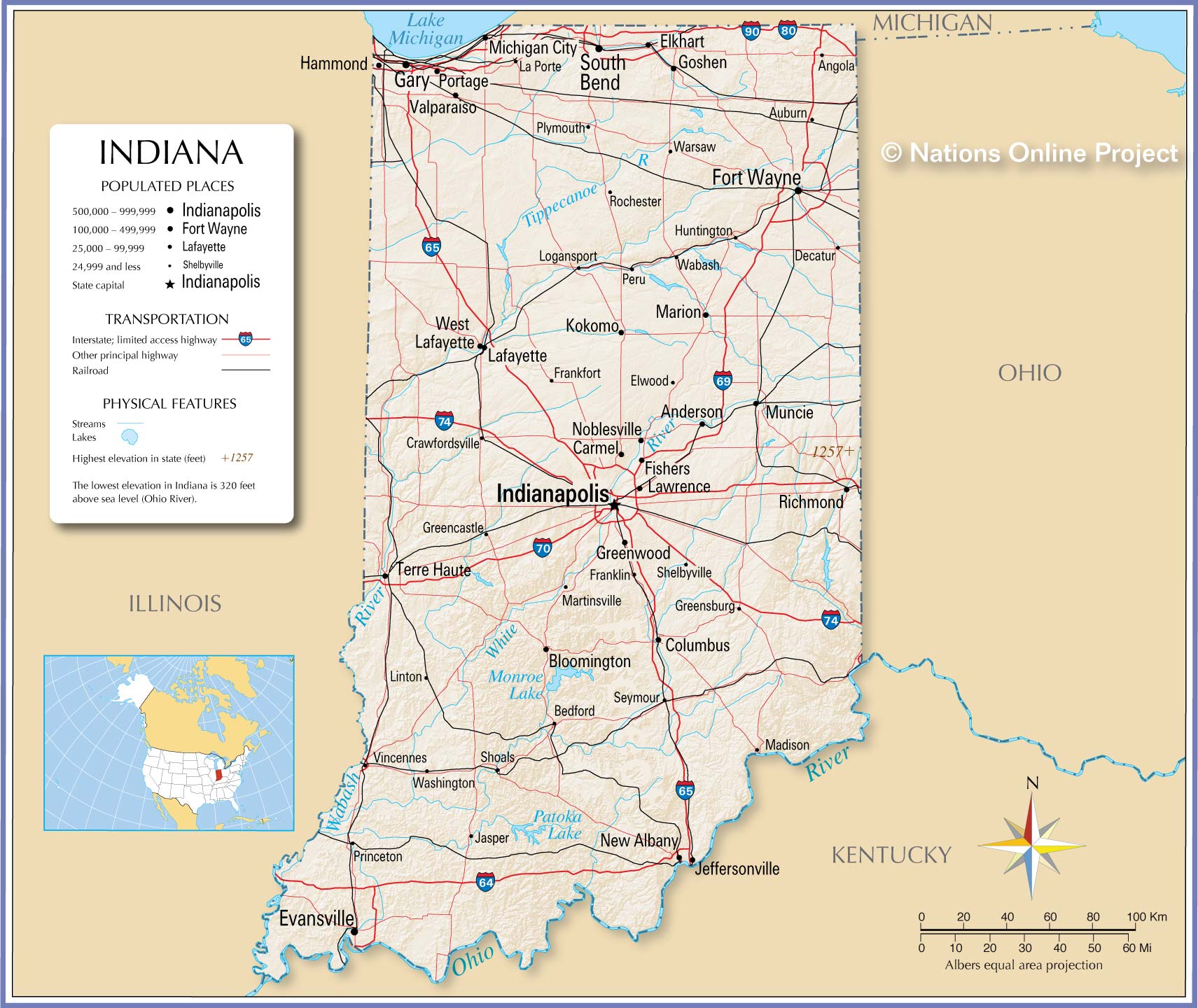
Severe weather strikes the Hoosier State with little margin for error, making up-to-the-minute awareness and structural preparedness critical for survival. When atmospheric instability triggers rotation across the Midwest, understanding local alerts, knowing designated shelter zones, and avoiding common panic-driven mistakes can mean the difference between life and tragedy.
A reliable emergency protocol relies on proactive steps taken long before a siren sounds. Whether you live in a rural farmhouse or an urban apartment complex across Indiana, knowing how to interpret National Weather Service bulletins, assembling a functional disaster kit, and identifying safe structural zones will keep you ahead of severe meteorological events.
Understanding Indiana Tornado Watches Versus Warnings
The foundation of severe weather safety begins with recognizing the distinct language used by meteorologists. Confusing a watch with a warning often leads to delayed reactions during high-stress moments.
A tornado watch means atmospheric conditions are favorable for the development of severe storms and tornadoes in and close to your area. When a watch is issued by the National Weather Service, you shouldn't panic, but you must review your emergency plan, check your disaster supplies, and ensure your communication devices are charged and active. Further analysis by Bloomberg highlights related perspectives on the subject.
A tornado warning, by contrast, means a tornado has been sighted by spotters or indicated by weather radar. This is an immediate threat to life and property. You must take protective action right away. Do not wait to see a funnel cloud or hear a siren before moving to safety.
Choosing the Safest Shelter Location
When a warning drops, your physical location dictates your survival odds. The core rule of tornado safety is to put as many walls and floors between yourself and the outside as possible.
- Basements and Storm Cellars: These offer the highest degree of protection against flying debris and high-velocity winds. Take cover under a sturdy workbench or heavy table, and protect your head and neck with cushions or blankets.
- Interior Rooms on the Lowest Level: If your home lacks a basement, move to a small, windowless interior room, bathroom, or hallway on the lowest floor. Bathrooms often provide added structural stability due to dense plumbing pipes within the walls.
- Mobile and Manufactured Homes: These structures offer virtually no protection against high winds, even when anchored down. Residents of mobile homes should evacuate to a permanent nearby shelter or community storm cellar at the first sign of a watch.
For more details on state-level safety initiatives, visit the Indiana Department of Homeland Security.
Critical Steps During an Active Storm
When the storm is directly overhead, every second counts. Avoid actions that expose you to flying debris or structural collapse.
If you're caught driving, never try to outrun a tornado in a congested vehicle, and never take shelter beneath a highway overpass or bridge. Overpasses act as wind tunnels that accelerate debris and offer zero structural protection. Instead, abandon your vehicle for a sturdy building if one is close. If no building is available, lie flat in a low-lying ditch or depression, protecting your head with your hands.
If you're at home, stay away from all exterior windows and glass doors. Flying glass accounts for a significant portion of severe weather injuries. Keep pets secured in carriers or leashed indoors so they don't bolt out of fear if a wall or window breaches.
Building an Effective Emergency Supply Kit
Power outages, downed communications lines, and blocked roads often follow severe storms. An emergency kit should sustain your household for at least three days without external support.
- Water and Non-Perishable Food: Store at least one gallon of water per person per day, alongside ready-to-eat canned goods and a manual can opener.
- Power Sources: Keep a hand-crank or battery-powered NOAA weather radio, heavy-duty flashlights, and fully charged portable power banks for your mobile devices.
- First Aid and Medications: Pack a well-stocked medical kit, prescription medications, sanitation supplies, and copies of important insurance documents stored in a waterproof container.
Review local preparedness strategies through official channels like the City of Indianapolis Emergency Management.
Post-Storm Safety and Damage Inspection
The danger doesn't end when the sirens stop. Exiting a shelter too early or entering structurally compromised buildings exposes you to secondary hazards.
Watch out for downed power lines, shattered glass, and sharp metal debris. If you smell gas or hear a hissing sound, evacuate immediately and shut off the main valve from the outside if it's safe to do so. Do not use candles or matches for light inside a damaged home due to the risk of gas leaks. Limit phone usage to life-threatening emergencies to keep cellular networks open for first responders.
Frequently Asked Questions
What should I do if my cell phone loses service during a tornado warning?
Rely on a battery-operated or hand-crank NOAA weather radio to receive continuous updates from local meteorologists. If you live in an apartment building or community, listen for local emergency sirens and instructions from building management.
Are outdoor tornado sirens reliable indoors?
No. Outdoor sirens are designed to alert people who are outside. They may not wake you up if you are sleeping indoors, especially during heavy rain and wind. Always maintain a secondary indoor alert source, such as a weather radio or smartphone alert.
Why are highway overpasses dangerous during a tornado?
Overpasses create a wind-tunnel effect that increases wind speeds and blows debris directly into the recess where people shelter. Furthermore, parking cars on the shoulder blocks emergency vehicles from getting through.
How often should I check my emergency preparedness kit?
Inspect your disaster kit at least twice a year. Rotate out expired canned goods and bottled water, replace flashlight batteries, and ensure your emergency contact list is up to date.



