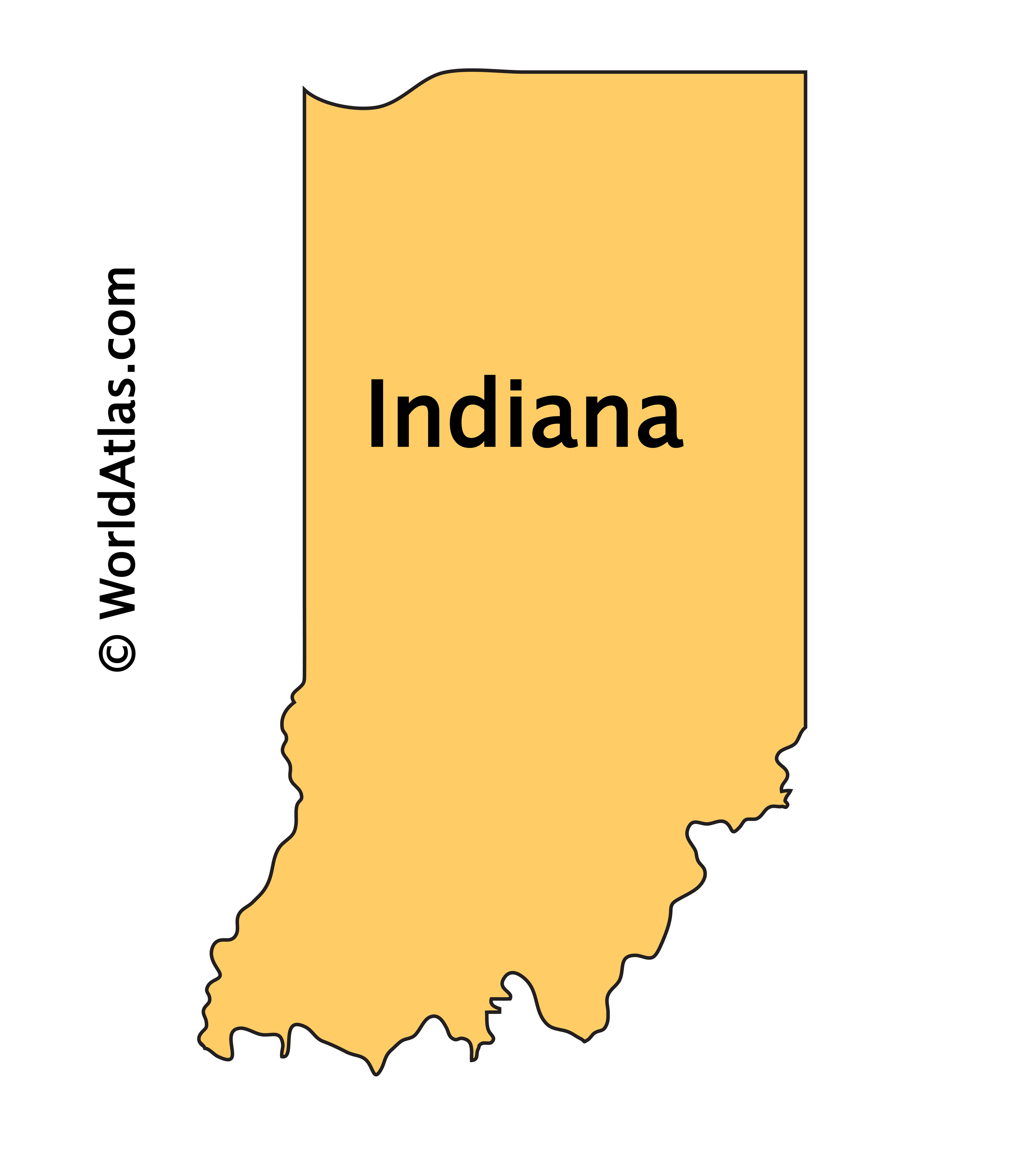
Navigating Indiana time zones can feel like solving a complex puzzle. While most states stick to a single time zone or split cleanly down a geographic line, Indiana features a patchwork layout involving both the Eastern and Central time zones. Out of 92 counties, 80 operate on Eastern time while 12 run on Central time. If you don't check your location before crossing county lines, you might accidentally show up an hour early—or late—for a meeting.
Understanding this split requires looking at how commerce, geography, and history shaped the state. Northwest Indiana aligns with Chicago's economic orbit, while the southwest cluster anchors around Evansville. Meanwhile, the capital city of Indianapolis and major hubs like Fort Wayne and South Bend firmly observe Eastern time. Here's a comprehensive look at how the Hoosier State handles the clock, which cities fall where, and how to avoid travel mix-ups.
The Geography of Indiana Time Zones
The modern layout divides Indiana into two distinct zones. The official boundary shifts across county lines rather than natural barriers like rivers, creating distinct clusters of Central Time users in the northwest and southwest corners.
Every county in the state now observes Daylight Saving Time (DST), but getting here took decades of legislative debate and shifting federal rulings. Until 2006, much of the state stayed on Eastern Standard Time year-round without changing clocks, creating immense confusion for businesses and travelers. Today, the entire state springs forward and falls back uniformly, meaning the primary challenge is simply knowing which zone a specific town occupies.
The Central Time Clusters
Twelve counties keep their clocks on Central Time, matching neighboring states like Illinois and Kentucky.
- Northwest Cluster (Chicagoland area): Jasper, Lake, LaPorte, Newton, Porter, and Starke counties. These communities maintain tight economic and commuter ties with Chicago.
- Southwest Cluster (Evansville area): Gibson, Perry, Posey, Spencer, Vanderburgh, and Warrick counties. These counties align with Evansville, the state's third-largest city and a major regional economic anchor.
The Eastern Time Majority
The remaining 80 counties, covering the vast majority of the state's geographic area and population, fall under the Eastern Time Zone. This includes major metropolitan centers, industrial hubs, and agricultural regions.
City-by-City Breakdown
To help you navigate without second-guessing your smartphone, let's look at where prominent Indiana cities land on the map.
Major Eastern Time Cities
- Indianapolis: As the state capital and central hub, Indianapolis runs on Eastern Time. It matches New York's clock during standard time and Chicago's clock during daylight saving months due to the shared shift.
- Fort Wayne: Located in northeastern Indiana, Fort Wayne is firmly in the Eastern zone.
- South Bend: Situated in northern Indiana near the Michigan border, South Bend observes Eastern Time, despite its neighbor to the west (LaPorte County) running on Central Time.
- Bloomington & Lafayette: Home to major universities, these mid-sized hubs follow Eastern Time.
- Evansville Suburbs Across the Line: While Evansville proper and its immediate neighbors are Central, traveling just a short distance east into counties like Warrick or Spencer requires keeping tabs on local boundaries, though most of the immediate metro stays coordinated.
Major Central Time Cities
- Hammond, Gary, and Merrillville: Located in the northwest corner, these cities operate on Central Time and share television broadcasts, sports fandoms, and daily commutes with Chicago.
- Evansville: The crown jewel of southwestern Indiana sits squarely in the Central Time Zone, anchoring local commerce for miles around.
- Tell City: Located in Perry County along the Ohio River, this community stays on Central Time while neighboring Perry County edges share borders with Eastern zones.
Common Mistakes and How to Avoid Them
Travelers and remote workers frequently stumble when moving through Indiana's border regions. Keeping a few practical rules in mind prevents costly scheduling errors.
- Assuming state lines mean uniform time: Never assume an entire state shares a single zone. Crossing from Michigan into northern Indiana or driving across county lines near Evansville can instantly alter your clock.
- Relying on old travel guides: Many printed maps and legacy articles published before 2006 still describe Indiana as a state that didn't observe Daylight Saving Time. Always verify current schedules using official government resources like the Visit Indiana Time Zones Guide.
- Ignoring smartphone automatic updates: While cellular towers usually handle zone transitions seamlessly, phone signals can occasionally lock onto a tower from a neighboring county across a river or state line, displaying the wrong hour. Double-check your calendar event locations when traveling near Starke, Perry, or the edges of the Chicago metro area.
Frequently Asked Questions
Does all of Indiana observe Daylight Saving Time now?
Yes. Since April 2006, every county in Indiana has observed Daylight Saving Time, moving clocks forward in March and back in November.
Why are some Indiana counties on Central Time?
The counties on Central Time share close economic, geographic, and commuting relationships with neighboring major metropolitan areas—specifically Chicago in the northwest and Evansville/Louisville dynamics in the southwest.
What happens if I cross a county line in Indiana and my time changes?
You might lose or gain an hour depending on your direction. For instance, traveling westward out of Starke County into a neighboring eastern county shifts your clock forward one hour. Pay attention to local road signs and digital mapping apps when driving through rural stretches.
Where can I check official time zone rules for specific counties?
You can review detailed county listings and official statutes through the State of Indiana FAQ Portal or check real-time adjustments via global trackers like Time and Date Indiana.


