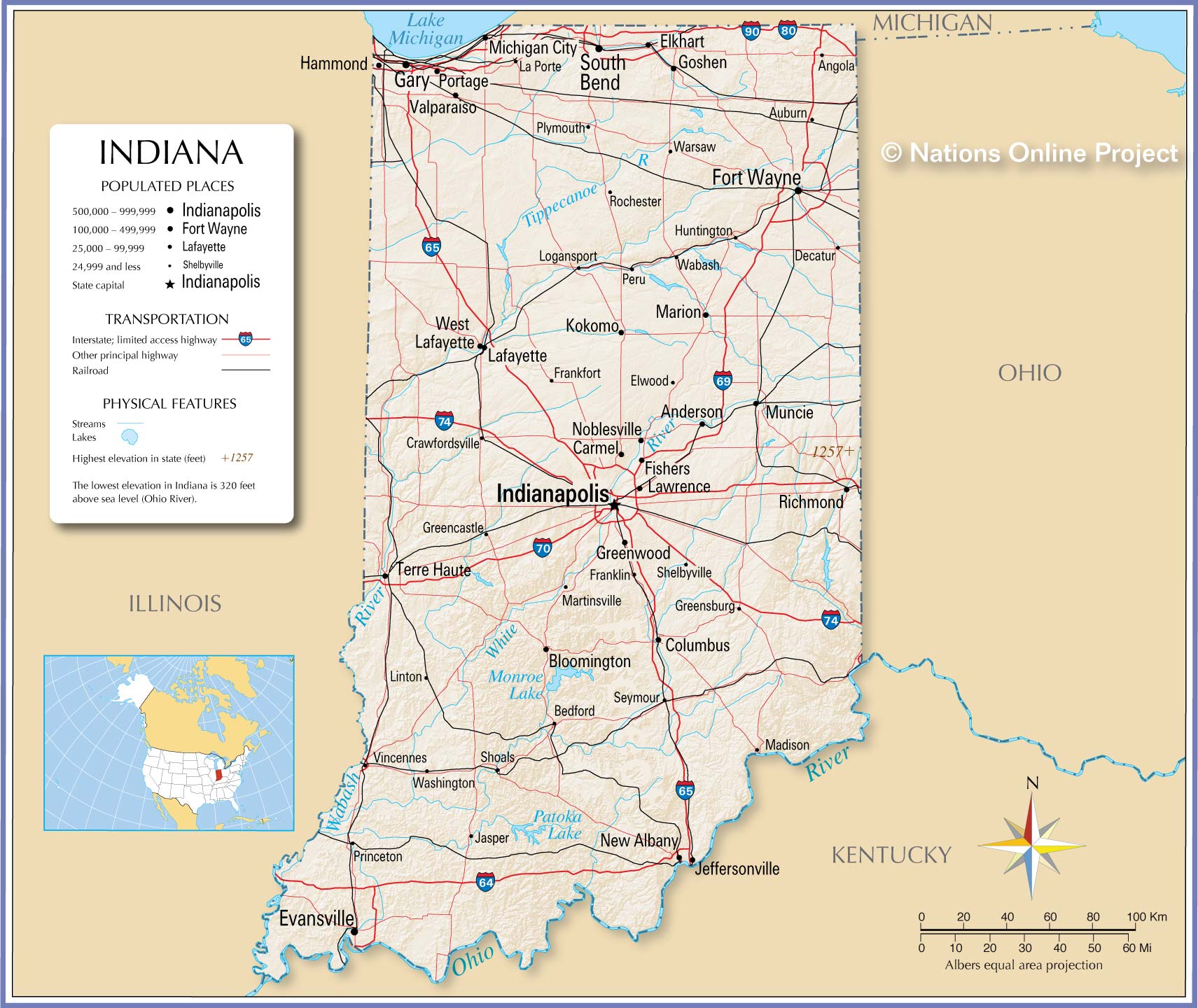
Indiana state tax rates shape household budgets and corporate balance sheets across the Hoosier State through a mix of flat state levies, local add-ons, and statutory property caps. If you're managing personal finances or operating a business in Indiana, understanding how individual income tax, sales tax, and property assessments interact is essential for accurate planning.
The state's tax framework relies heavily on flat rates rather than progressive brackets. While this structure offers predictable withholding calculations, it also shifts specific tax burdens toward local property levies and municipal surcharges. This guide breaks down the core components of Indiana's tax system, explores current compliance requirements, and answers common questions about how the state balances revenue needs with resident relief.
Individual Income Tax Mechanics
Indiana imposes a flat individual income tax rate of 3.15 percent on taxable adjusted gross income. The state calculates taxable income by starting with federal adjusted gross income and applying specific state modifications, such as exemptions for qualifying Social Security benefits and military pay.
Unlike states with tiered brackets where higher earnings trigger higher marginal rates, every dollar of taxable income in Indiana faces the same baseline 3.15 percent state levy. For instance, a filer with $60,000 in taxable income owes $1,889 in base state tax before any local income taxes or credits apply.
Local County Income Taxes
Beyond the state flat rate, almost all of Indiana's 92 counties levy a local income tax. These local rates vary significantly by jurisdiction, typically ranging between 0.5 percent and 3.0 percent depending on where you live and work.
- Resident vs. Non-resident Rates: Your local tax rate is generally determined by your county of residence as of January 1 of the tax year. If you work in a different county than where you live, employers withhold tax based on your residence and workplace rules.
- Special Purpose Levies: Counties use local income tax revenue to fund public safety, property tax relief, and local economic development projects.
Key Deductions and Credits
Indiana provides several statutory deductions that reduce your overall taxable base:
- Unified Tax Credit for the Elderly: Available to residents aged 65 or older who meet specific income thresholds.
- Renter's Deduction: Allows renters to deduct up to $3,000 of rent paid on their primary Indiana residence from their state adjusted gross income.
- College Choice 529 Savings Plan Credit: Offers a state tax credit equal to 20 percent of contributions made to an Indiana CollegeChoice 529 savings plan, up to a maximum credit of $1,500 per year.
Sales and Use Tax Structure
The state sales tax rate stands at a flat 7 percent, covering most retail sales of tangible personal property, rental goods, and select digital products. Indiana does not impose municipal or county-level sales taxes, meaning the 7 percent rate remains consistent whether you shop in Indianapolis, Fort Wayne, or a rural township.
Exemptions and Taxable Services
While physical retail goods are generally taxable, Indiana law exempts several everyday necessities:
- Groceries: Unprepared food for home consumption is exempt from the state sales tax, though prepared foods, restaurant meals, and dietary supplements remain taxable at 7 percent.
- Prescription Drugs: All prescription medications and medical devices prescribed by a licensed practitioner are exempt.
- Services: Most professional services—including legal, medical, accounting, and educational services—are not subject to Indiana sales tax. However, taxable services include telecommunications, hotel accommodations, and short-term vehicle rentals.
Use Tax Obligations
If you purchase taxable goods from out-of-state retailers that don't collect Indiana sales tax (such as online sellers), you are legally required to pay a 7 percent use tax on those items. You can report and pay this liability directly on your annual individual income tax return using Form IT-40.
Property Tax Caps and Local Assessments
Indiana property taxes are administered locally and are based on the assessed market value of real estate, including residential homes, commercial buildings, and agricultural land.
To prevent runaway tax bills during real estate booms, Indiana enforces constitutional property tax caps, commonly referred to as circuit breakers. These caps limit property tax liability as a fixed percentage of the gross assessed value:
- Residential Property: Capped at 1 percent of the property's assessed value.
- Agricultural Land and Residential Rental Property: Capped at 2 percent of assessed value.
- Commercial and Industrial Property: Capped at 3 percent of assessed value.
Local governments, including school districts, county councils, and municipal boards, set budgets that determine overall levy rates. When assessed values rise faster than inflation, local tax rates may drop to keep total collections within allowable statutory limits, though individual property tax bills can still fluctuate based on reassessments.
Corporate and Business Tax Environment
Businesses operating in Indiana navigate a distinct set of state-level obligations, centered around corporate income taxes, withholding requirements, and economic incentives.
Corporate Adjusted Gross Income Tax
Indiana levies a corporate adjusted gross income tax on C-corporations doing business in the state. The tax rate is structured to phase down gradually under recent legislative updates, aligning with broader state economic competitiveness goals. Businesses use single-sales-factor apportionment, meaning the state calculates corporate tax liability based solely on the percentage of total sales generated within Indiana, rather than factoring in payroll or property.
Pass-Through Entities
S-corporations, partnerships, and limited liability companies typically pass income through to individual owners, who pay tax at the individual flat rate. Indiana also permits pass-through entities to elect entity-level taxation, allowing business owners to navigate federal state and local tax deduction limits effectively.
Incentives and Credits
The Indiana Economic Development Corporation (IEDC) administers targeted tax credits for businesses that invest in capital equipment, research and development, or job creation. Prominent programs include:
- Hoosier Business Investment Credit: Provides a credit against corporate tax liability for qualified investments in infrastructure and logistics.
- Economic Development for a Growing Economy (EDGE) Credit: Offers refundable tax credits to businesses that create high-wage jobs in the state.
Filing and Compliance Requirements
Meeting Indiana Department of Revenue (DOR) deadlines requires tracking both annual income returns and quarterly estimated payments if your withholding doesn't cover your total liability.
Individual Filing
Residents file Form IT-40 annually, while part-year or non-residents file Form IT-40PNR. The standard filing deadline aligns with the federal tax deadline on April 15. Electronic filing through approved tax software providers is standard, and the DOR provides online account access via INTIME to track payments, refunds, and notices.
Business Compliance
Employers must register with the Indiana DOR to set up state withholding accounts. Businesses remit withholding taxes monthly, quarterly, or annually depending on total payroll volume. Corporate taxpayers file annual returns using Form IT-20 by the 15th day of the fourth month following the close of the tax year.
Frequently Asked Questions
What is Indiana's flat income tax rate?
Indiana's individual income tax rate is a flat 3.15 percent of taxable adjusted gross income. Residents also pay local county income taxes, which vary by jurisdiction.
Are groceries and prescription drugs taxed in Indiana?
Unprepared grocery food and prescription medications are exempt from Indiana's 7 percent sales tax. Prepared food, restaurant meals, and over-the-counter products remain taxable.
How do property tax caps work in Indiana?
Indiana uses constitutional property tax caps that limit annual tax bills based on property classification. Owner-occupied residential homes are capped at 1 percent of assessed value, rental and agricultural property at 2 percent, and commercial property at 3 percent.
Do I need to pay use tax on online purchases?
Yes. If you buy items from online retailers that do not collect Indiana sales tax, you must report and pay a 7 percent use tax when filing your annual state income tax return.
What form do individuals use to file state income taxes?
Full-year residents file Form IT-40, while non-residents and part-year residents file Form IT-40PNR through the Indiana Department of Revenue.



