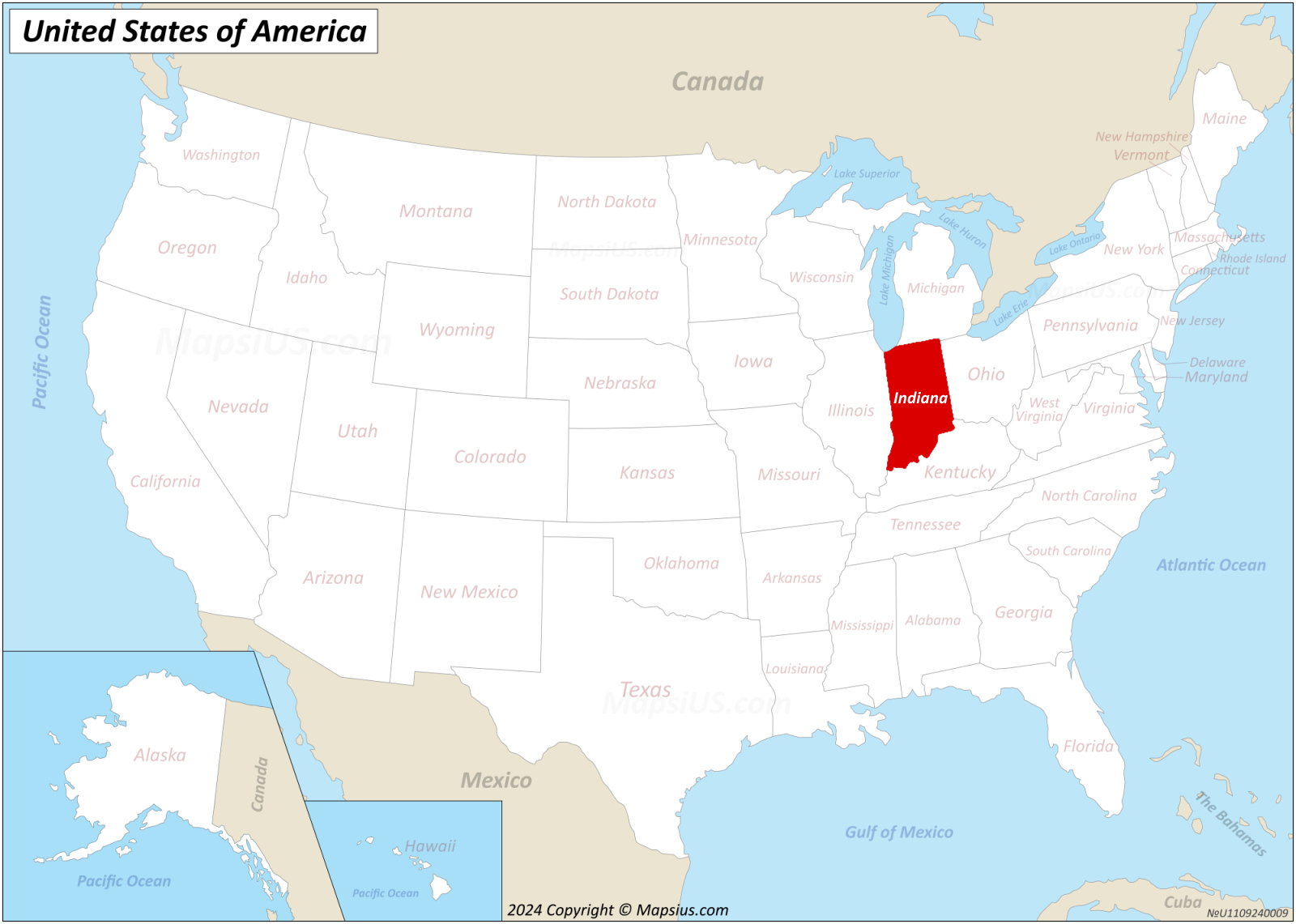
Planning a trip to unplug in nature shouldn't feel like a chore. Indiana state parks camping offers some of the most accessible, diverse, and well-maintained outdoor getaways in the Midwest, spanning rolling hills, dense forests, and massive reservoir lakes. Whether you're looking for a rugged primitive site or an electric hookup with modern shower houses, navigating the system requires knowing how reservations work, what rules apply, and which properties fit your vacation style.
The Indiana Department of Natural Resources (DNR) operates properties that remain 100% reservable online. Securing the right spot means understanding booking windows, entrance fees, and property layouts before you pack your gear.
Understanding Indiana State Park Campsite Types
Before logging onto the reservation portal, you need to know what kind of camping experience you want. Indiana properties tier their campgrounds into distinct categories, each offering different amenities and price points.
- Primitive Sites: These are back-to-basics sites with no electricity or water hookups at the individual pad. They are typically intended for tent campers or backpackers who want a quieter, more isolated woodland experience.
- Electric Sites: The most popular tier across the state system. These sites feature electrical hookups (usually 20, 30, or 50 amp) and sit close to modern comfort stations with flush toilets and hot showers.
- Full Hookup Sites: Available at select properties, these sites provide electricity, water, and direct sewer connections, making them ideal for large RVs and long-term stays.
- Horseman’s Campgrounds: Specialized loops designed for visitors traveling with horses. They include tie stalls or hitching posts and direct access to extensive equestrian trail networks.
Properties also feature family cabins, youth tent areas, and organized group camps. If you're traveling with friends who prefer a mattress over a sleeping pad, state park inns and rustic cabins offer a comfortable alternative without pulling you away from the trailheads.
How to Book Campsites Without Stress
Indiana uses an online reservation system managed through Camp.IN.Gov. Because popular spots fill up quickly, timing your booking is crucial.
Sites open for reservation six months in advance starting precisely at 12:00 PM (noon) Eastern Time. If you want a prime weekend slot during peak autumn foliage season at Brown County or summer weekends at Indiana Dunes, you need to be online right at noon on the exact day your window opens.
- Create an Account Early: Set up your profile on the reservation platform ahead of time so you aren't fumbling with passwords when noon hits.
- Know the Rules: Indiana enforces a strict maximum stay of 14 consecutive nights. After two weeks, you must vacate the property for 48 hours.
- Watch the Booking Window: The system enforces a rolling window. If your trip spans a weekend, keep in mind that Friday and Saturday night rules might require pairing them with a Thursday or Sunday night depending on seasonal restrictions.
If plans change, cancel early. Canceling eight or more days prior to your arrival date incurs a flat $10 fee, but canceling on or after your arrival day results in forfeiting your entire rental fee.
Top Parks for Unplugging
Not all state parks offer the same atmosphere. Selecting the right destination depends entirely on the landscape you want to wake up to.
Brown County State Park
As Indiana's largest state park, Brown County is famous for its steep ridges, ravines, and breathtaking autumn views. It's often called the "Little Smokies." It features extensive mountain biking and hiking trails, saddle barns, and a massive network of electric campsites. It gets busy, but the sheer size of the park means you can find quiet pockets in the backcountry.
Turkey Run State Park
Located near Marshall, Turkey Run is a haven for geology lovers. Deep sandstone gorges, scenic suspension bridges, and rugged ladder trails carved by Sugar Creek make it one of the most visually dramatic parks in the state. The campground is well-shaded and sits within walking distance of the nature center and main trailheads.
Indiana Dunes State Park
If you want sandy beaches alongside dense forest, this property sits on the southern shore of Lake Michigan. You can spend the morning climbing massive sand dunes and the afternoon swimming or hiking the Three Dune Challenge. Note that parking and entrance dynamics here differ slightly during peak beach season, so plan your arrival times accordingly.
Essential Campground Rules and Etiquette
State park rangers and property staff maintain a safe, family-friendly environment by enforcing clear guidelines. Knowing these rules beforehand prevents awkward conflicts or fines at the gate.
- Occupancy Limits: Each standard campsite permits a maximum of six people and up to two tents (or one wheeled camping unit and one small tent).
- Vehicles: Campgrounds strictly enforce a one-vehicle-per-site rule to reduce road congestion. Additional vehicles must park in designated overflow lots.
- Quiet Hours: Running generators and playing loud music is prohibited between 11:00 PM and 6:00 AM (extending to 7:00 AM at select properties). Voices carry easily across campgrounds at night, so keep late-night conversations muted.
- Firewood Regulations: To prevent the spread of invasive insect species like the emerald ash borer, do not bring firewood from home unless it meets strict certification standards. Buy bundled wood locally at the camp store or designated park vendors.
- Pets: Dogs and cats are welcome at campsites, but they must remain on a leash of six feet or less and under physical control at all times. Never leave pets unattended at your site, and clean up after them immediately.
Frequently Asked Questions
Can I buy my state park entrance pass when I arrive?
Yes. Daily entrance fees apply to all vehicles upon entry, costing $7 for in-state plates and $15 to $20 for out-of-state plates depending on the property. If you plan to visit multiple times, buying an Annual Entrance Pass for $50 (resident) offers much better value.
Are alcoholic beverages allowed in Indiana state campgrounds?
Alcohol consumption is permitted for campers and daily visitors, provided you act responsibly. Possession or consumption by anyone under the legal age of 21 is strictly illegal and aggressively enforced by conservation officers.
What happens if it rains during my camping trip?
Indiana state parks maintain a strict no-refund policy for inclement weather. Rain, wind, or cold snaps will not excuse you from cancellation penalties if you decide not to show up, so check the forecast and pack adequate rain gear.
Can I gather fallen branches from the woods for my campfire?
No. Collecting firewood, pulling bark, or cutting down standing timber—living or dead—is strictly prohibited within all state parks. Fallen wood provides vital nutrients and habitat for local wildlife, so all burning fuel must be purchased on-site.


